
Why a DIY Drone Kit is the Ultimate Choice for Tech Enthusiasts and Innovators
If you’re passionate about robotics, electronics, or aerial technology, considering a diy drone kit for your next big project is an inspired move. The world of drone building has evolved rapidly, empowering hobbyists and professionals to assemble custom flying machines tailored to their precise preferences. In this comprehensive guide, we delve deep into the top reasons why investing in a diy drone kit stands out as the prime choice for makers, students, and even tech startups.
Personalized Customization: Unleash Your Creativity
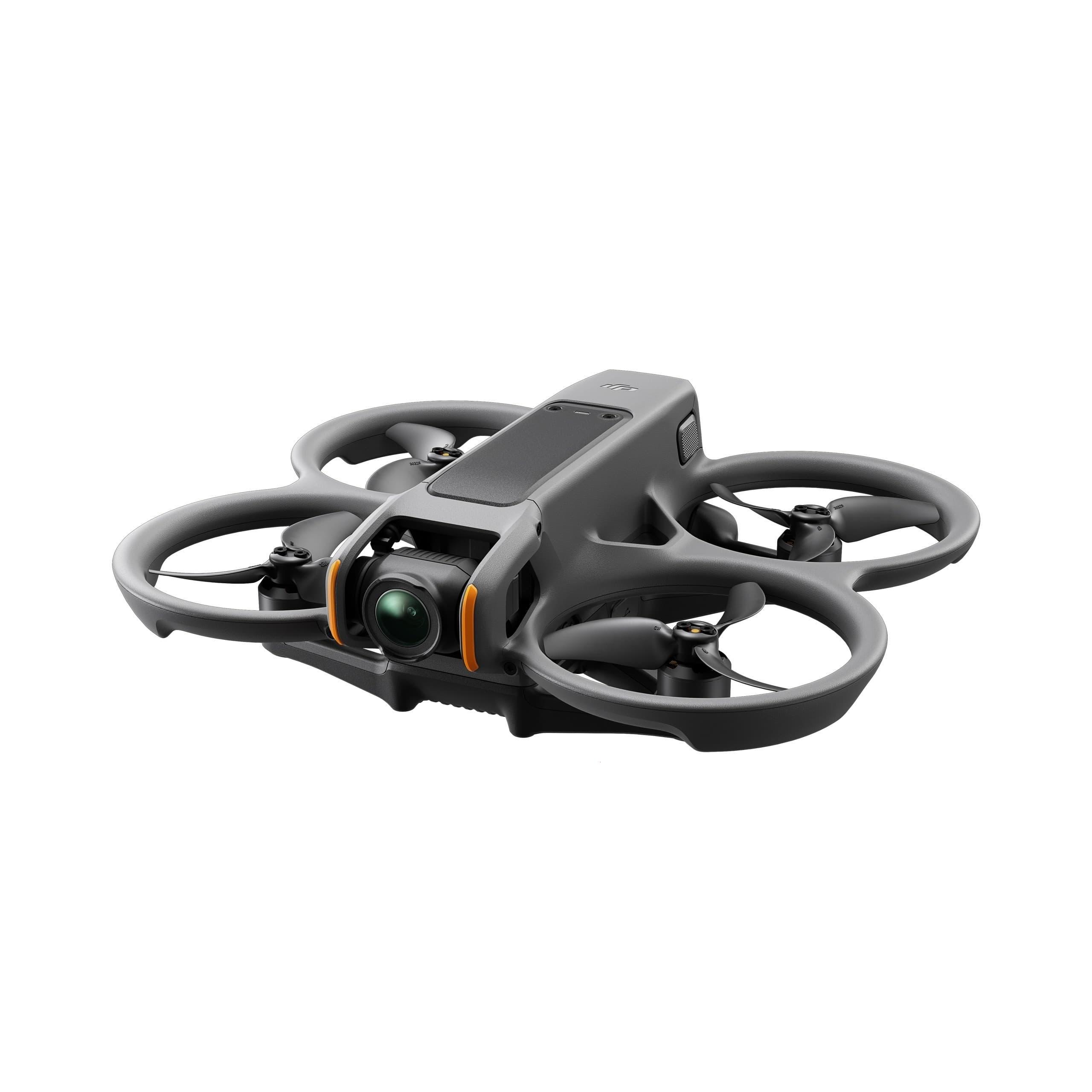
One of the most enticing aspects of a diy drone kit is the flexibility to personalize virtually every aspect of your drone. Unlike off-the-shelf models, DIY solutions allow you to handpick flight controllers, motors, frames, and camera modules. This versatility means you can craft drones that excel in speed, endurance, payload capacity, or aerial photography—whatever suits your ambitions or project requirements. The ability to integrate modules such as FPV (first-person-view) or GPS tracking elevates your drone far beyond what box drones offer.
Cost-Effectiveness and Value for Money
Buying a ready-to-fly drone often comes with a premium price tag, and many features remain unused or unneeded. With a diy drone kit, you only invest in the components that matter to your purpose, which is more economical in the long run. Furthermore, since many kits offer modular components, repairs and upgrades become straightforward—saving you money throughout the drone’s lifecycle. Some cost savings extend to educational kits that cater to schools or STEM clubs, providing hands-on experience at a fraction of the cost of commercial drones.
Enhanced Learning and Skill Development
- Building a drone from scratch using a diy drone kit fosters a deep understanding of aerodynamics, electronics, coding, and problem-solving.
- Assembly encourages learning about circuit design, soldering, power distribution, and software programming, especially when integrating open-source flight controllers like ArduPilot or Betaflight.
- Students and enthusiasts develop troubleshooting and analytical skills, which are invaluable in academic and professional tech environments.
Upgradeability and Component Flexibility
One stand-out advantage of diy drone kits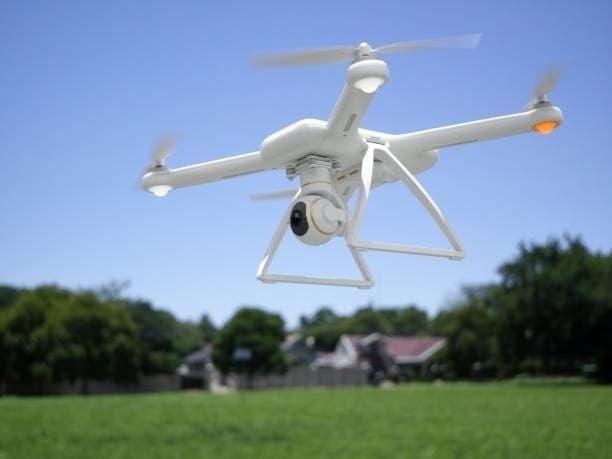 is the ease with which you can swap out or upgrade components as technology advances. Whether you want to increase battery life, boost camera resolution, or enhance stabilization with new sensors, modular designs make adaptation simple. This forward-compatible approach ensures your drone project remains relevant and functional amidst rapid innovations in the drone space.
Hands-On Fun and Community Engagement
Assembling a drone goes beyond academic and professional benefits—it’s simply fun! The DIY process leads to a rewarding sense of achievement. Plus, the growing global maker community provides ample forums, YouTube tutorials, and Reddit threads dedicated to diy drone kit projects. You can collaborate, seek troubleshooting advice, and showcase your customized builds. Such networks foster innovation and keep you updated with trends like autonomous flight modes and wireless telemetry.
Practical Applications: From Education to Commercial Use
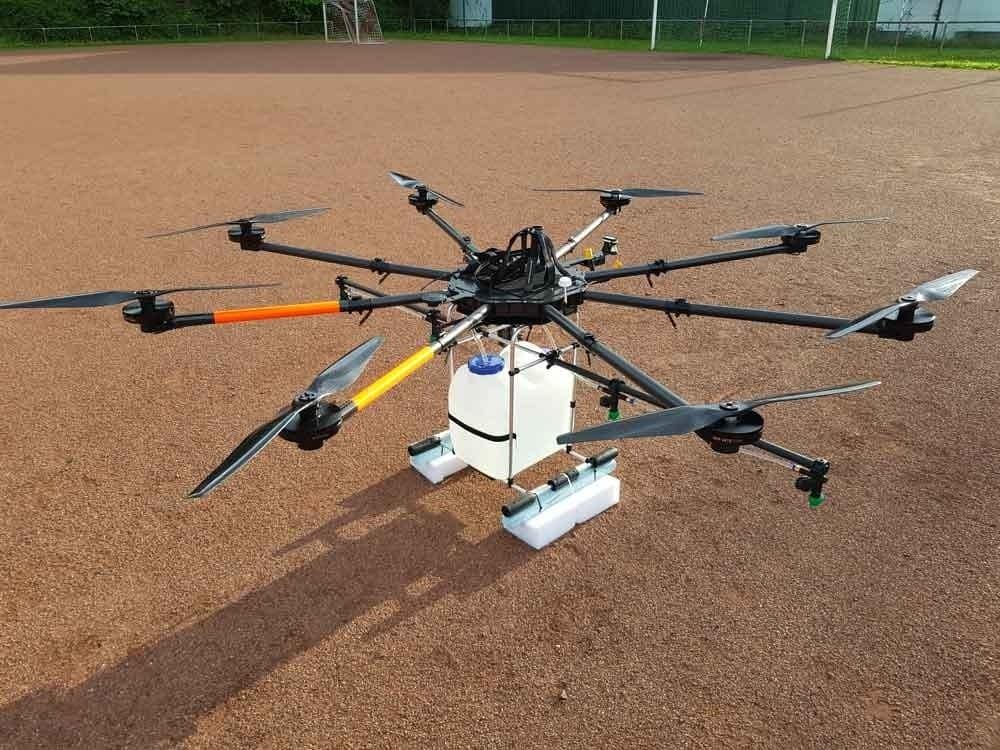
Drones built with diy drone kits have found meaningful uses in many fields: researchers deploying sensors in environmental surveys, filmmakers capturing unique aerial shots, farmers monitoring crops, and students preparing for engineering competitions. Because DIY kits are so adaptable, you can tailor features to suit specific use cases—ranging from lightweight racing drones to multicopters with thermal imaging capabilities for search and rescue teams.
Eco-Friendly and Sustainable Engineering
Upcycling, reusing, and recycling components is easier with modular diy drone kit solutions. Unlike typical consumer drones, DIY kits let you repair, repurpose, or replace parts individually, reducing e-waste. If sustainability matters to your project, this level of control over hardware lifecycle is invaluable.
Collaborating with friends or colleagues on a diy drone kit project not only saves money but also fosters teamwork and group problem solving—skills vital to success in professional environments.
What to Look for When Choosing a DIY Drone Kit?
- Compatibility: Ensure the kit suits your desired flight control system and electronic components.
- Ease of Assembly: Beginners may prefer kits with detailed guides and video tutorials.
- Expandability: Opt for kits that support future upgrades, like camera gimbals, obstacle avoidance, or advanced GPS modules.
- Community Support: Kits with robust online communities and documentation provide valuable support through your build journey.
Integrating Advanced Features and Seeking Challenges
Many diy drone kit options now offer integration with software ecosystems—mission planning, telemetry monitoring, and autonomous navigation. This opens doors for personalized coding challenges, IoT integration, and STEM competitions. The ability to explore AI-based flight control or machine learning algorithms makes DIY drone projects exciting for programmers and electronics enthusiasts alike.
Key Takeaway: Why Choose a DIY Drone Kit?
Opting for a diy drone kit is an invitation to innovation, learning, and creative exploration. From hands-on skills enhancement to saving costs and reducing waste, the compelling advantages make these kits stand out. Whether you’re a student, hobbyist, or experienced engineer, a custom drone project can offer endless satisfaction and practical benefits.
Frequently Asked Questions About DIY Drone Kits
A: Yes, many kits are designed for novices and include clear assembly instructions. Starting with an entry-level kit offers a gentle learning curve and helps build foundational electronics and coding skills.
A: Depending on complexity and experience level, assembly can take anywhere from a few hours to several days. More advanced kits may require additional time for programming and calibration.
A: Absolutely. Most diy drone kit components are modular and support the addition of cameras, sensors, or upgraded flight controllers, allowing full customization for your project.
Ready to launch your aerial vision? Choosing a diy drone kit offers an engaging journey into robotics, creativity, and practical engineering.