
Drone photography has become a captivating way to capture stunning images of landscapes, cityscapes, and nature from unique angles. Leveraging drone technology allows photographers to explore new realms of creativity and composition, making it a popular choice for both hobbyists and professionals alike. However, achieving breathtaking drone photography requires skill, planning, and an understanding of the environment. Here are some essential tips to master the sky and elevate your drone photography to new heights.
Understanding Your Drone
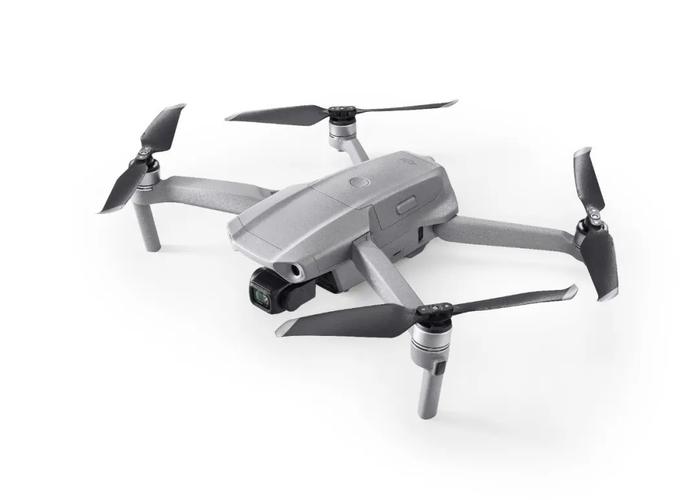
Before taking to the skies, familiarize yourself with your drone’s capabilities. Different drones come with varying features such as GPS, camera quality, flight time, and stability controls. Knowing these specifications can help you optimize your drone’s settings for the best possible shots. Spend time reading the manual and practicing in open areas to build your confidence and ensure fluent operation.
Selecting the Perfect Timing
The timing of your photography session plays a crucial role in the outcome of your images. Shooting during golden hours—sunrise or sunset—provides warm, soft lighting that enhances the beauty of your subject. Midday might cast harsh shadows, whereas early mornings and late afternoons offer more dynamic lighting conditions. Keep an eye on weather forecasts to avoid windy or rainy days that could impact the drone’s stability and the clarity of your photos.
Plan Your Shots
Planning is key when it comes to drone photography. Scout your location beforehand and decide on the angles, elevations, and compositions you aim to capture. This can be done through mapping software or simply walking around the area. Take note of interesting features such as symmetry, patterns, or colors that will stand out from an aerial perspective. Consider using a checklist to ensure you cover all desired shots once you’re on site.
Mastering Composition
While traditional photography rules such as the rule of thirds apply, drone photography also benefits from unique techniques like leading lines and symmetry thanks to the elevated vantage point. Utilize the drone’s ability to capture large scenes to experiment with various perspectives. Emphasize depth by including foreground elements or framing your subject with surrounding scenery.
Camera Settings and Filters
Adjusting your camera settings to suit the environment is crucial in obtaining high-quality images. Monitor your ISO, aperture, and shutter speed to achieve the desired exposure, preventing images from turning out too dark or washed out. Filters such as polarizers can help enhance colors and reduce glare, particularly when capturing bodies of water or snowy landscapes.
Maintenance and Battery
Proper maintenance ensures your drone performs optimally during each session. Regularly inspect and clean rotors, lenses, and other equipment parts. Battery management is critical; always carry spare batteries and never let your drone run low on power mid-flight. Consider using a checklist to verify everything is ready before taking off.
Respect Privacy and Regulations
While exploring stunning visuals, it’s crucial to respect local privacy laws and regulations. Avoid flying over restricted or private areas without permission. Familiarize yourself with the flight rules in your region, such as maximum altitude and designated no-fly zones, to ensure legal and safe operations.
Frequently Asked Questions
Q: Can drones capture images in low light conditions?
A: Yes, drones equipped with advanced cameras can capture quality images in low-light conditions, though it’s advisable to use appropriate settings and post-processing techniques to enhance the final output.
Q: How can I prevent my drone from losing signal during flight?
A: To prevent signal loss, ensure a strong connection by maintaining a clear line of sight between the drone and the controller. Avoid obstacles that could interfere with signal transmission, such as tall buildings or dense trees.
Q: Do drones offer live feed during flight?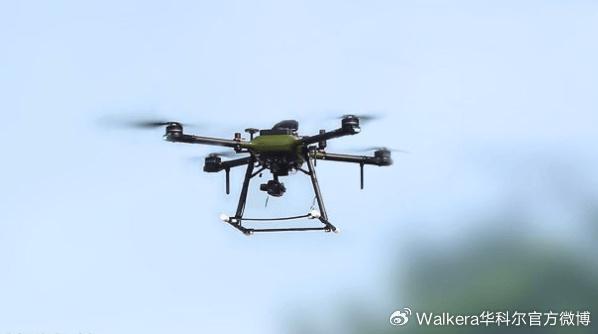
A: Most modern drones come with live feed capabilities, allowing you to view real-time footage during flight, enabling better control over angles and compositions.