
In recent years, drone warfare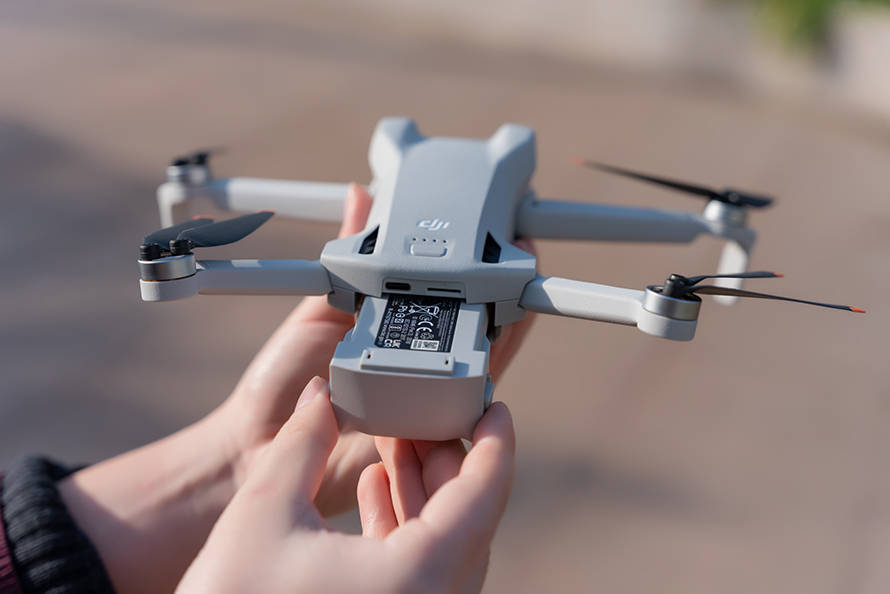 has emerged as a significant component of modern military operations. This technological advancement, while offering strategic advantages such as precision targeting and reduced risk to human soldiers, also brings forth a complex web of ethical concerns. As unmanned aerial vehicles (UAVs) continue to evolve, it is crucial to explore the ethical implications surrounding their use in conflicts worldwide.
The Technological Appeal of Drones

Drones offer unparalleled capabilities in reconnaissance and combat, allowing militaries to strike targets with high accuracy while minimizing collateral damage. These devices can loiter in regions for extended periods, gather intelligence, and engage when necessary, all without putting pilot lives at risk. Their use in intelligence-gathering missions and targeted strikes provides military forces with a strategic edge.
However, this technological appeal is not without its downsides. Critics argue that the anonymity of drone operations can desensitize decision-makers, potentially leading them to opt for military solutions over diplomatic ones.
The Ethical Quandaries
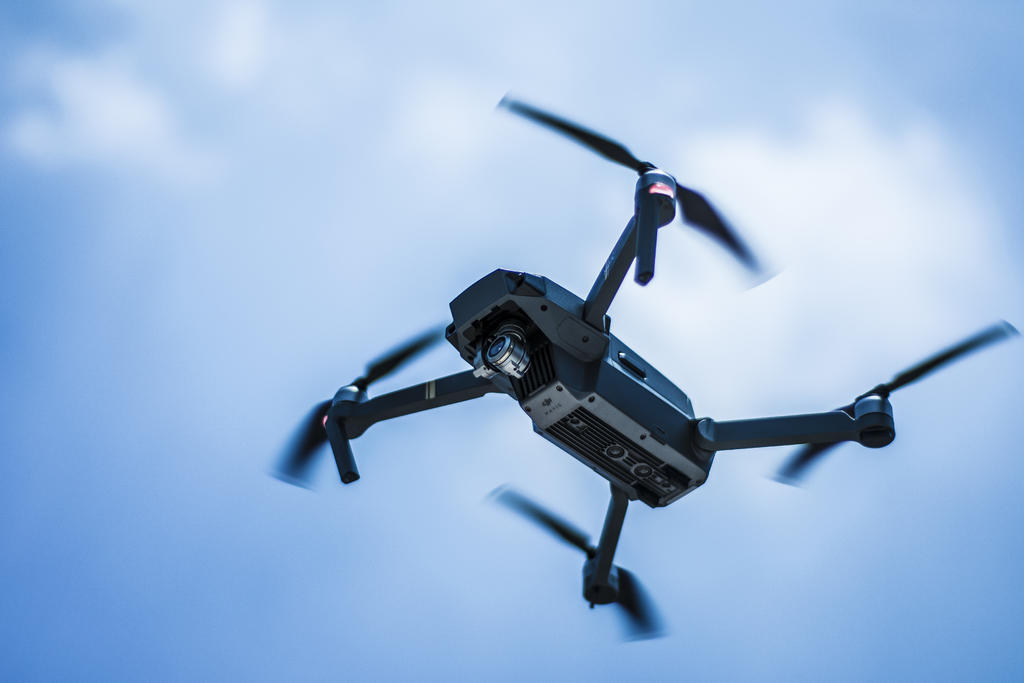
One main ethical issue drone warfare presents is the potential for increased civilian casualties. Despite the precision, mistakes happen, and the unintended loss of innocent lives remains a genuine concern. The distance of drone operators from the actual battlefield can create a disconnect, making it easier to overlook the human cost of these decisions.
Another ethical dilemma is accountability. Traditional warfare usually involves identifiable combatants who can be held responsible for their actions. In contrast, drone strikes can often blur the lines of responsibility, raising questions about who is accountable when civilian casualties occur.
Furthermore, the use of drones in sovereign countries where no formal war is declared brings about questions of legality and breach of international law. The ability of drones to operate quietly and efficiently in these zones leads to debates over sovereignty and self-defense rights.
The Psychological Impact
Aside from the ethical repercussions, drone warfare also harbors significant psychological effects on both operators and those targeted. Operators may experience a form of PTSD due to the nature of remote warfare, where the repetitive view of conflict zones and the consequences of their actions are constant stressors.
On the other hand, citizens in areas frequently plagued by drone strikes live in a perpetual state of anxiety and fear, exacerbating the trauma within these communities.
Future Considerations
As drone technology advances, the ethical considerations surrounding their use will only intensify. Policymakers will need to establish clear guidelines and regulations to govern the deployment of drones in military operations to prevent misuse and preserve human rights. International coalitions may be necessary to develop a robust framework that ensures accountability and transparency in drone warfare.
Moreover, the need for comprehensive discussions on the ethics of drone warfare in public, academic, and military spheres is essential to address shifting warfare paradigms brought about by such technologies.
- What are the benefits of using drones in warfare?
The primary benefits include precision targeting, reduced risk for military personnel, and enhanced intelligence capabilities, allowing for strategic advantages.
- How do drones affect civilian safety?
While drones aim for precision, mistakes can lead to increased civilian casualties, raising ethical concerns and necessitating strict oversight and regulations.
- Are there international laws governing drone warfare?
International laws exist, but the unique nature of drone warfare often challenges traditional legal frameworks, creating a grey area regarding compliance and accountability.