
Explore the Best Features of Drones with Gimbal Camera for Ultra-Smooth Footage
In the ever-evolving field of aerial photography and videography, drones with gimbal camera have become industry favorites among professionals and hobbyists alike. These technological marvels deliver silky-smooth videos and crisp photographs, made possible by sophisticated gimbal stabilization systems. If you’re considering investing in a drone that features a gimbal camera or simply want to understand their advantages, you’re in the right place. Here, we’ll dive deep into the essential capabilities, design highlights, and innovative tech that make these flying cameras so popular.
What is a Gimbal and Why is it Essential?
The cornerstone of drones with gimbal camera is the gimbal itself. A gimbal is a pivotal mounting platform that holds the camera, keeping it stable by countering movements and vibrations as the drone navigates through the air. This is achieved using brushless motors and advanced sensors, allowing for multi-axis stabilization. The result? Sweeping, cinematic shots that are free of unwanted shakes and jitters—even in windy conditions. Without a gimbal, footage would be noticeably unstable, undermining the quality of your recordings and making post-production editing more challenging.
Key Features to Look For in Drones with Gimbal Camera
- 3-Axis Stabilization: Premium drones come equipped with 3-axis gimbal systems. These compensate for pitch, roll, and yaw, guaranteeing rock-solid stability and perfectly level footage regardless of how the drone tilts.
- Ultra HD Camera Capabilities: Look for drones with gimbal camera setups that support 4K resolution or higher, as well as slow-motion and HDR modes. A high-resolution sensor ensures that every scene you capture is vividly detailed and suitable for professional use.
- Remote Gimbal Control: Top drone models offer real-time remote control over the camera’s tilt, pan, and roll, letting you compose dynamic shots and track subjects smoothly from the ground.
- Intelligent Shooting Modes: ActiveTrack, Waypoints, Orbit, Follow Me, and Point of Interest are just a few of the intelligent flight modes enabled by integrated gimbal cameras. They help automate tricky shots, making professional-quality filming accessible to any user.
- High-Grade Materials: The durability and weight of the gimbal assembly are important for balance and lasting performance. Top-rated drones with gimbal camera use lightweight aluminum, magnesium alloys, or high-strength polymers to maximize flight efficiency.
- Mechanical Range and Precision:
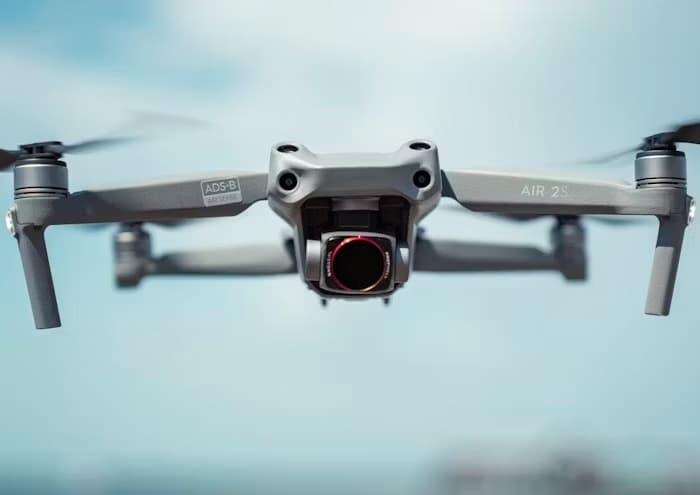 An advanced gimbal can smoothly rotate up to 320° or more, granting unrestricted creative freedom as you frame the perfect aerial view.
Why Professionals Trust Drones with Gimbal Camera
Filmmakers, content creators, surveyors, and real estate agents all recognize the immense value of smooth, stabilized aerial imagery. Drones with gimbal camera continuously outperform fixed camera drones in terms of image stability, enabling confident operation in variable conditions where wind or drone maneuvers would otherwise cause shaky visuals. With the integration of AI-powered automation, these drones simplify complex filming sequences: just select your target, customize the flight path, and let the technology handle the details.
Comparing Top Brands and Models
Several leading brands dominate the market for drones with gimbal camera. DJI’s Mavic series, for example, is renowned for its robust stabilization, compact portability, and cinematic shooting options. Autel Robotics, Skydio, and Parrot also offer exceptional alternatives, balancing innovative gimbal engineering with user-friendly controls. Whether you prioritize long flight time, range, or camera specs, each manufacturer brings unique features to the table. Comparing gimbal specs, camera sensor size, supported shooting modes, flight autonomy, and intelligent safety measures can help you select the ideal drone for your needs and budget.
Advantages Over Drones Without a Gimbal
- Consistent Results: Even hobby-level pilots can achieve professional-grade output with minimal effort. The gimbal absorbs turbulence and user error to deliver visually stunning results.
- Enhanced Usability: Gimbals make advanced aerial shooting accessible, allowing users to capture impressive perspectives like sweeping panoramas or dynamic action scenes with ease.
- Versatile Applications: The steadiness of drones with gimbal camera supports a broad range of tasks—from mapping and surveying to vlogging and live event broadcasting.
Maintenance & Tips for Optimum Performance
- Always transport your drone with the gimbal clamp in place to avoid stress or damage to the motors.
- Regularly clean your gimbal and camera lens to ensure distortion- and debris-free footage.
- Calibrate the gimbal before major flights, particularly after firmware updates or hardware modifications.
- Update your drone’s firmware for access to the latest stability enhancements and shooting modes.
Future Trends: Where are Gimbal Cameras Headed?
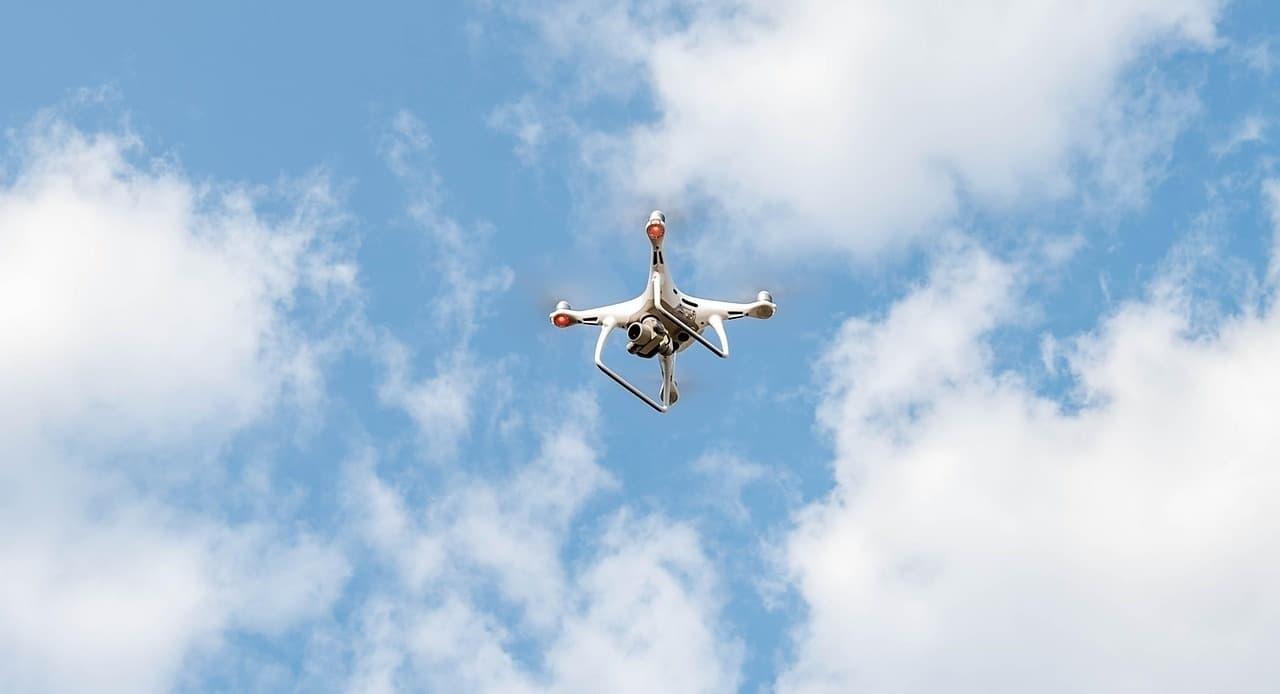
As AI technology grows, expect drones with gimbal camera to gain even smarter subject tracking, rapid obstacle avoidance, and real-time editing capabilities. Compact gimbals are becoming lighter and more power efficient, allowing longer flights and more creative shot angles. Some of the latest models now merge thermal imaging, night vision, or multi-sensor capabilities for expanded use cases. A drone equipped with a next-generation gimbal camera will only become more essential for content creators, inspectors, and adventure enthusiasts.
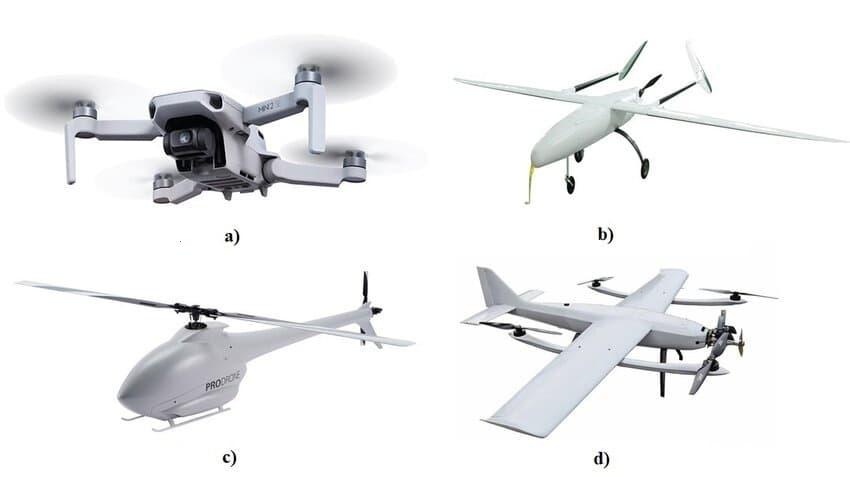
Choosing Your Ideal Gimbal-Equipped Drone
Factor in your filming style, storage needs, and flight environment when selecting among the vast array of drones with gimbal camera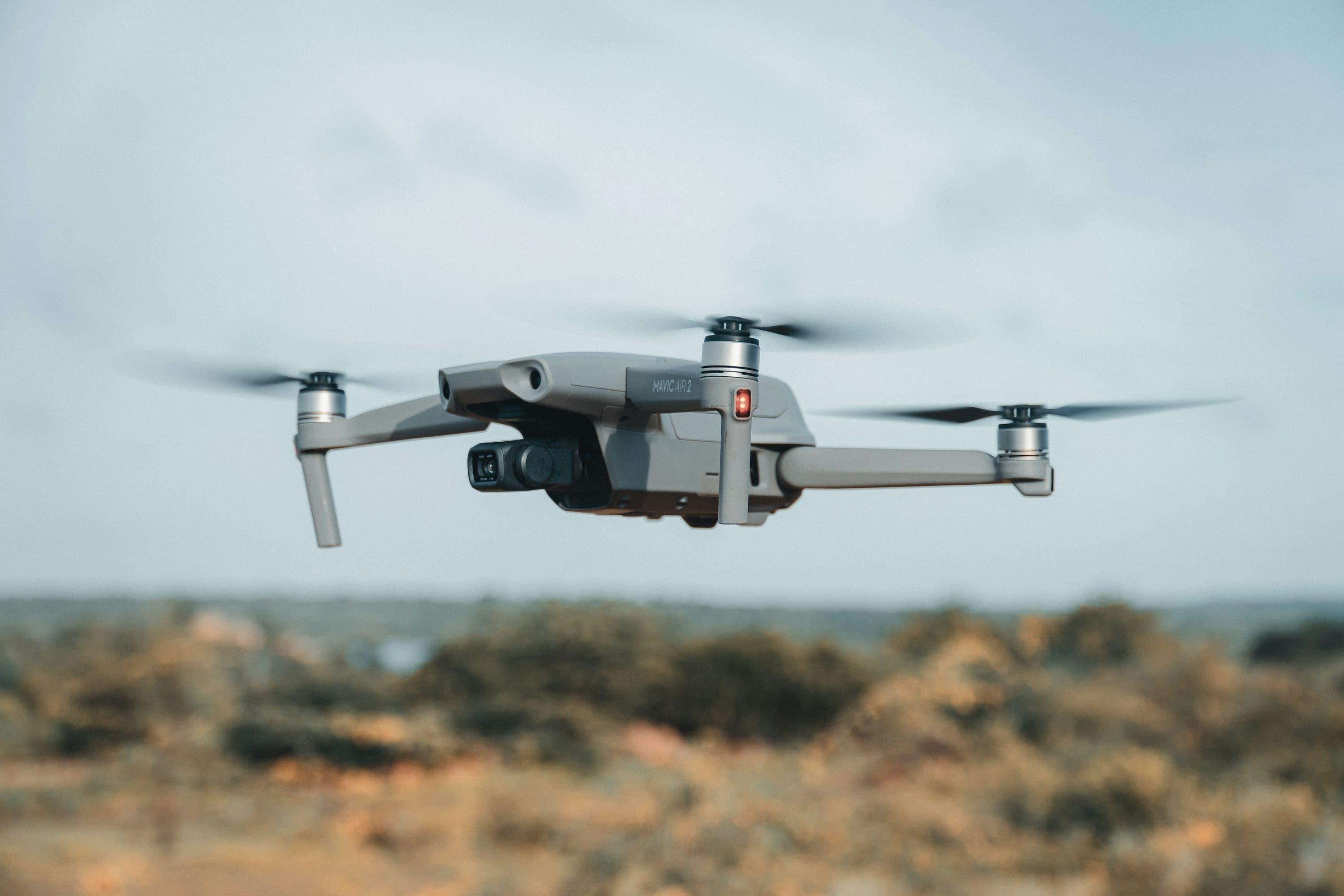 . If portability matters, consider foldable designs. For endurance, prioritize battery life and range. Meanwhile, professional filmmakers should focus on sensor size, color accuracy, and bitrate support, as these dictate the final quality of your videos.
Don’t forget about after-sales support, accessory availability, and firmware update frequency—well-supported drones can keep improving with time.
Final Thoughts
Whether you’re a seasoned filmmaker or an amateur pilot looking to elevate your storytelling, choosing the right drones with gimbal camera will undeniably enhance your creative possibilities. With continued innovation in stabilization, AI, and flight automation, these aerial tools are opening new vistas in visual content creation.
FAQs About Drones with Gimbal Cameras
- Why do I need a gimbal on my drone?
- A gimbal eliminates camera shake from wind and drone movement, ensuring stable, professional-quality footage that would be impossible to achieve with a fixed mount camera.
- Are all drone gimbals the same?
- No—gimbals differ by the number of stabilization axes, build materials, payload capacity, and the control options they offer. Choose according to your filming needs and budget.
- Can I upgrade the gimbal on my drone?
- Some drone systems allow upgrades or modular gimbals, but many consumer drones have integrated designs. Check with your manufacturer for compatibility before considering an upgrade.