
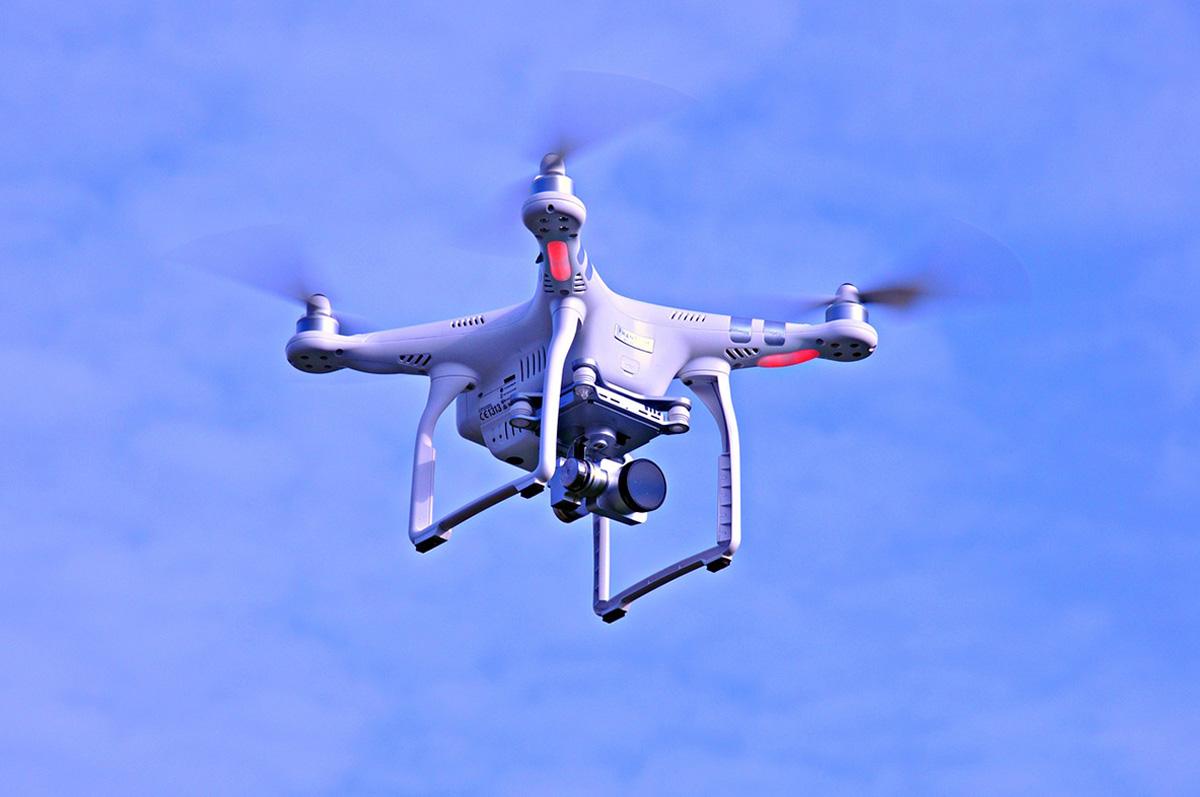
 to those deploying them. Initially utilized for surveillance, drones have evolved to carry precision-guided weaponry, making them a formidable tool in combat scenarios. Their ability to strike without putting soldiers at risk highlights a crucial shift in military tactics, fostering discussions on ethical implications and the future of warfare.
The Transition from Surveillance to Combat
Drones were originally designed for reconnaissance, providing real-time intelligence without risking personnel. The technological shift towards armed drones has opened new realms of possibilities. By integrating advanced targeting systems, these machines can engage with precision far surpassing human capabilities. Nations investing in drone technology are now able to conduct operations with greater efficiency and accuracy, changing the course of engagements in conflict zones.
Ethical and Legal Considerations
The proliferation of killer drones has sparked debates regarding their ethical and legal ramifications. Critics argue that their usage may lead to indiscriminate warfare, where decisions are made by algorithms rather than human judgement.
The moral responsibility in warfare is a topic of contention as countries adopt automated systems. Moreover, over-reliance on drones raises concerns about accountability and oversight. Legal frameworks struggle to keep pace with the rapid technological advancements, creating gaps that could be exploited if not addressed promptly.
The Role of Artificial Intelligence
Artificial Intelligence (AI) plays a pivotal role in the operation of killer drones. Advanced algorithms enable these machines to identify and engage targets autonomously, increasing operational effectiveness while minimizing human error. AI in drones offers a glimpse into the future of warfare, with potential to revolutionize conflict management and combat strategies. AI-driven drones are capable of processing vast amounts of data, adapting to changing scenarios in real time, and executing missions autonomously.
Implications for Global Security
The deployment of killer drones poses significant questions for global security. While they provide undeniable strategic advantages, their accessibility to various state and non-state actors introduces new threats. Nations must navigate the complex landscape of drone proliferation, ensuring that emerging technologies are used responsibly. The arms race fueled by drone advancements raises the stakes, necessitating comprehensive dialogue to prevent escalation into uncontrolled drone warfare.
FAQ: Navigating the Era of Killer Drones
Q1: What are the main advantages of using drones in warfare?
A: Drones offer unparalleled precision, reduced risk to soldiers, and enhanced surveillance capabilities, allowing for strategic operations with minimal human involvement.
Q2: How do AI technologies integrate with drones?
A: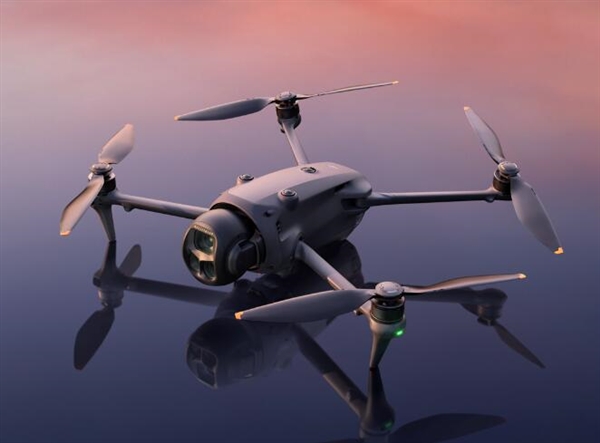 AI technologies enable drones to operate autonomously, process data rapidly, and adapt to dynamic environments, enhancing their combat efficiency.
Q3: Are there international laws governing the use of killer drones?
A: While some international laws exist, many countries are still developing legal frameworks to address the ethical and operational challenges posed by drone warfare.