
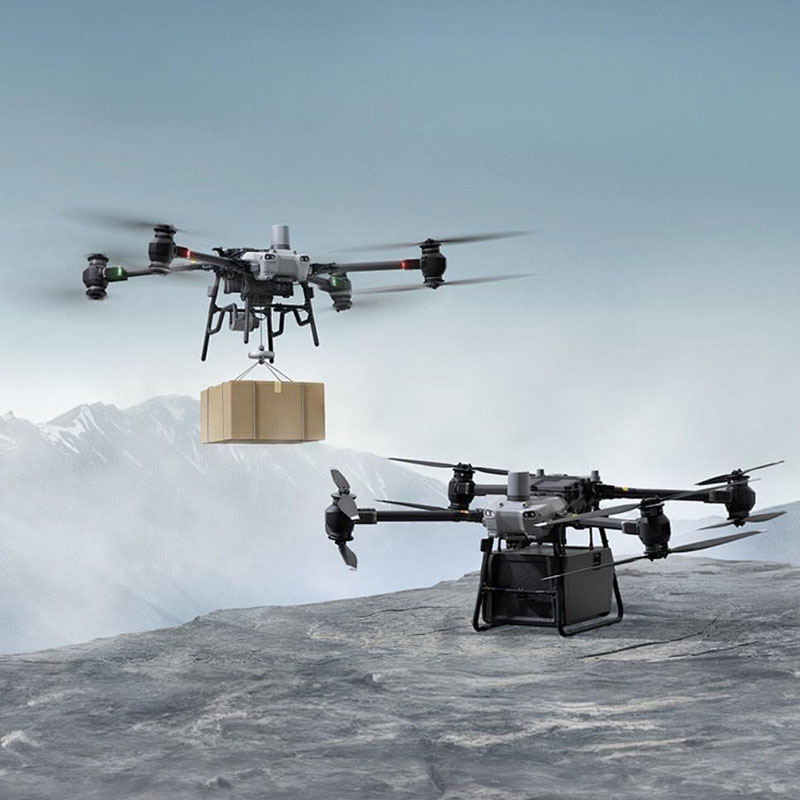
There is no denying that delivery drones have begun to transform the logistics landscape, offering a new level of efficiency and speed that traditional delivery methods simply cannot match. These aerial marvels are poised to revolutionize how goods are transported, particularly as they continue to advance technologically. Delivery drones, equipped with sophisticated GPS and sensors, have the ability to navigate urban environments and deliver packages to doorsteps in record time. This innovation is especially beneficial in congested cities where traffic can severely delay ground transportation. As we delve into the impact of delivery drones on modern logistics, it’s crucial to consider the implications for businesses and consumers alike.
The Efficiency Revolution
Delivery drones promise an unprecedented level of efficiency in the delivery sector. Their capacity to bypass traditional traffic obstacles and optimize delivery routes ensures that consumers receive their packages faster than ever before. This speed is particularly advantageous for industries such as pharmacy and food delivery, where time is of the essence. For businesses, adopting drone technology means smaller fleets of delivery vehicles, which translates into significant savings on fuel and maintenance costs.
Environmental Benefits
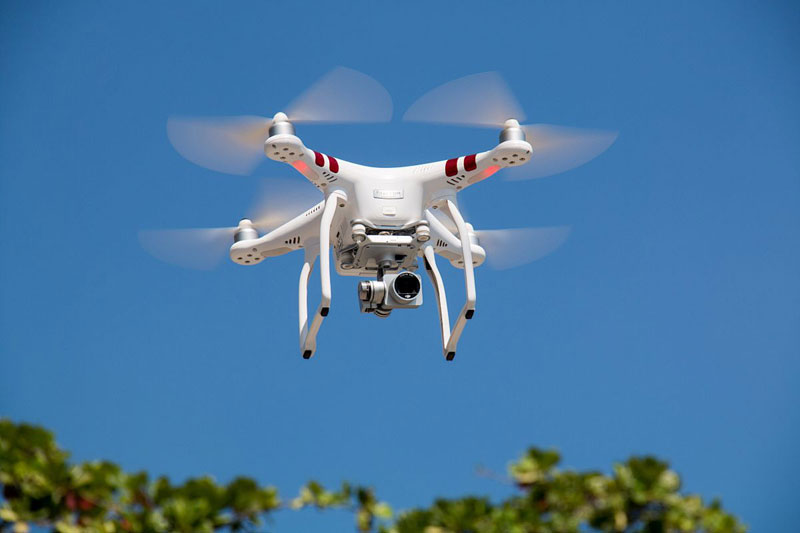 Another noteworthy advantage of delivery drones is their potential to minimize environmental impact. Unlike conventional delivery trucks, drones do not produce greenhouse gases directly during operation. The electricity required for their flights can potentially be sourced from renewable energy, further reducing their carbon footprint. This eco-friendly aspect is increasingly appealing in an era where sustainability is at the forefront of consumer and corporate priorities.
- Speed
- Cost-effectiveness
- Eco-friendliness
In terms of sustainability, some companies have already started exploring solar-powered drones to enhance their green efforts further.
Challenges and Concerns
 Despite their benefits, delivery drones are not without challenges. One significant hurdle is regulatory constraints. Many regions have stringent regulations regarding drone flights, particularly above populated areas. These regulations are essential to ensure public safety but can limit the operational scope of drone deliveries. Additionally, concerns about privacy and noise pollution can hinder widespread adoption. Companies must navigate these issues carefully, balancing innovation with compliance.
Moreover, the initial setup costs for drone delivery infrastructure can be prohibitive for smaller businesses. Investment in technology, training, and maintenance requires substantial capital, which not every firm can afford.
Consumer Trust and Acceptance
For widespread adoption, consumers need to trust in the reliability and safety of drone deliveries. This requires companies to provide transparent service levels, ensuring alleviation of anxiety related to package safety and delivery accuracy.
Another facet of acceptance relates to consumer adaptability to potential noise from drones and interference with established daily routines. The industry must work diligently to mitigate these impacts.
Implementing ethical algorithms
for flight paths and incorporating noise reduction technology are steps in the right direction.
Future Prospects
Looking forward, the potential for delivery drones to redefine logistics is immense. As technology advances, drones may be integrated with AI to further optimize routes and improve delivery predictability. The scalability of drone delivery will likely increase as regulatory landscapes adapt to this growing industry. In some areas, where populations are dispersed, drone delivery might become the standard due to its effectiveness in reaching remote locations.
FAQ
How are delivery drones powered?
Most delivery drones are powered by electricity, with many companies exploring renewable energy sources such as solar power to maintain eco-friendliness.
Are there any weight limitations for drone delivery?
Yes, most drones have payload limitations, typically not exceeding a few kilograms, depending on the model and design specifications.
How is privacy ensured with drone deliveries?
Companies implement strict guidelines and technologies to protect consumer data and minimize surveillance during the delivery process.