
How High Do Drones Fly? Unveiling Maximum Altitudes, Flight Restrictions, and Safety Guidelines
Whether you’re a seasoned drone pilot or just getting started, you’ve probably wondered: how high do drones fly? This key question is crucial for both hobbyists and professionals, especially considering aviation regulations, safety, and technical capabilities. In this guide, we’ll dive deep into the maximum altitudes that drones can reach, explore key restrictions worldwide, and discuss why altitude matters for drone enthusiasts.
Understanding What Determines a Drone’s Flight Ceiling
First, let’s clarify that the altitude a drone can attain is determined by several factors. These include:
- Drone model and design (consumer, commercial, or military grade)
- Regulatory restrictions in your country
- Battery capacity and propulsion system
- GPS and flight control safety features
For most users investigating how high do drones fly, technological limits and the law are equally important.
Official Maximum Altitude: Regulations Around the Globe
Every country sets its own rules concerning drone altitude.In the United States, FAA rules limit drones to a maximum of 400 feet (about 122 meters) above ground level. Australia’s CASA sets an identical ceiling for recreational drone operation. The European Union’s EASA and the UK’s CAA also adopt the same 120-meter standard. These limits exist primarily to keep drones clear of manned aircraft and avoid interference in controlled airspace.
If you’re wondering how high do drones fly beyond restrictions, most consumer drones are capable of reaching much higher elevations, sometimes over 1,500 feet (450 meters), but doing so usually is illegal without explicit governmental permission.
Technological Capabilities: How High CAN Drones Actually Fly?
Let’s break down drone types:
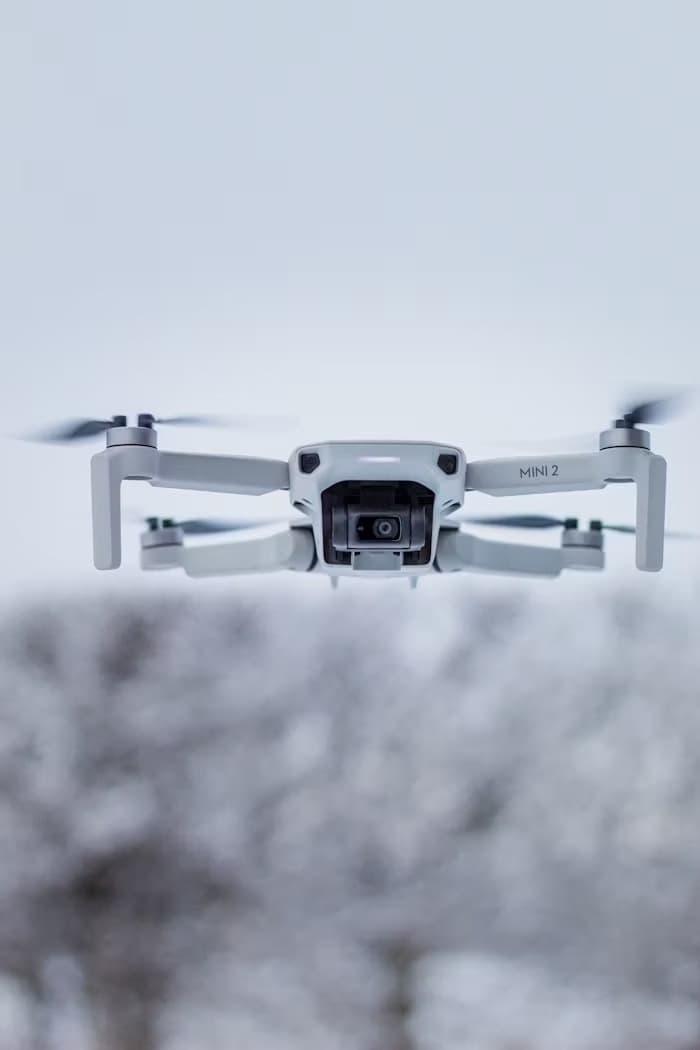
- Consumer Drones: Popular models like DJI Mavic, Phantom, and Autel drones can often reach 1,500 to 5,000 meters (4,900-16,400 feet) above sea level in unregulated environments. However, manufacturers often lock the max altitude via software to comply with regulations in your region.
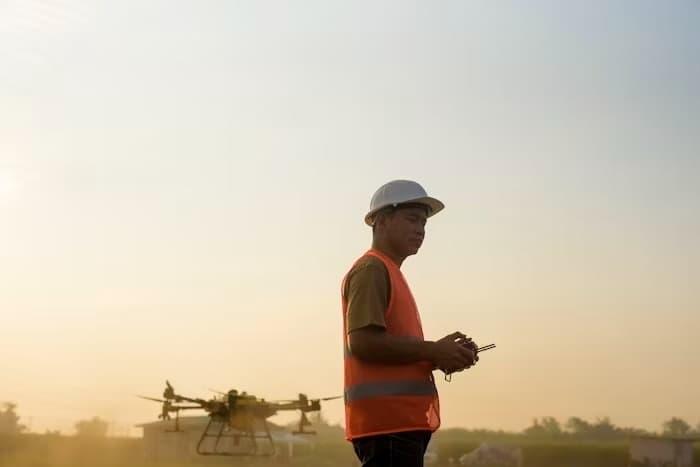
- Commercial Drones: Used for surveying, mapping, or search and rescue, commercial drones may exceed 5,000 meters in ideal conditions and with advanced propulsion systems. However, their flights are strictly regulated.
- Military Drones: These can operate at altitudes over 10,000 meters (32,800 feet), entering airspace well above most civilian traffic.
But, for everyday use, regulations override raw capability when asking how high do drones fly.
Why Set Altitude Limits for Drones?
Altitudes are capped not only for aviation safety, but also to protect privacy, prevent drone accidents, and avoid interference with other airspace users like helicopters and planes. Flying above legal limits is risky— not only could you receive heavy fines, but you may also lose control over your drone, encounter severe weather, or threaten the safety of others.
Best Practices for Flying at Maximum Legal Altitude
- Always check local regulations before flying
- Enable altitude limits in your flight control app
- Maintain visual line of sight at all times
- Be mindful of weather conditions, especially wind at higher elevations
It’s recommended to perform regular maintenance on your drone for safe flying closer to your local maximum altitude. Remember, how high do drones fly is only as important as how safely you fly.
Altitude, Airspace Classes, and Drones
Airspace is divided into several classes (A, B, C, D, E, G). Most drone operations are permitted only in Class G (uncontrolled) airspace — and always below 400 feet unless authorized. Ascending higher can cross into controlled airspace, potentially resulting in legal consequences or dangerous encounters with piloted aircraft.
Can You Request Permission to Fly Higher?
Professionals (like surveyors, film crews, or researchers) may acquire special waivers from aviation authorities to fly above the standard legal height. Each waiver requires a risk assessment, flight plan submission, and approved safety practices.
Still, for most recreational pilots curious about how high do drones fly, the answer remains firmly under regulatory control.
Effects of High Altitude on Drone Performance
Flying at higher elevations can impact battery efficiency, GPS signal reception, and stability. Cold temperatures override battery performance, and thinner air may reduce lift. All drones—no matter how advanced—operate best within their manufacturer’s recommended altitude and environmental parameters.
Flying in Special Zones: Mountains, Cities, and No-Fly Areas
Altitude reference for drones is usually ground level, not sea level. In mountainous areas, the drone’s altitude from sea level might be high, but you must measure flight height from your take-off point. Dense urban areas introduce extra restrictions to avoid interference with buildings and communications.
Conclusion: So, How High Do Drones Fly?
The answer depends on your drone’s tech specs and where you fly, but legal limits almost always restrict typical flights to 400 feet (120 meters) above ground level. Advanced drones might reach higher, but responsible and legal operation is paramount.
Frequently Asked Questions
- Q: Can drones fly higher than 400 feet?
A: Technically, many consumer drones can, but legal restrictions mean you should not unless you have a special waiver. - Q: What risks do drones face at higher altitudes?
A: Battery drain, loss of control, GPS interference, and collision risks all increase as altitude rises. - Q: Do all countries restrict drone altitude?
A: Most do, with typical limits set at 400 feet or 120 meters, though remote or sparsely populated areas may allow higher flights with permits.