
Unlocking the Potential of SUV Size Drones for Next-Generation Uses
Innovations in the world of unmanned aerial vehicles (UAVs) have paved the way for dramatic leaps in technology, especially with the emergence of suv size drones. These large-scale drones, reminiscent of the footprint and heft of a sports utility vehicle, are rapidly redefining what is possible in aerial operations. Their increased payload capacity, extended flight endurance, and versatility are fueling a host of advanced applications across industries, attracting investment and scientific attention worldwide.
Why SUV Size Drones Are Game-Changers
- Substantial payload capability: These drones can haul heavy sensors, communication modules, medical supplies, and specialized equipment. In comparison to conventional consumer or even enterprise drones, their ability to carry loads up to several hundred kilograms or more opens up possibilities in logistics and disaster relief.
- Extended range & flight times: Equipped with advanced power systems, suv size drones can travel dozens or even hundreds of kilometers, staying aloft for hours, making them ideal for broad-area mapping, surveillance, and delivery missions.
- Robust onboard systems: Embedded with state-of-the-art navigation, AI-assisted flight control, and redundancy setups, they offer a level of reliability previously unavailable in smaller UAVs.
Leading Applications of SUV Size Drones
More industries are adapting large drones for specialized needs:
- Emergency response: In events such as floods, wildfires, or earthquakes, rapid deployment is critical. SUV size drones can carry medical supplies, rescue gear, or even communication systems to regions isolated by damage or unstable terrain.
- Logistics and cargo transport:
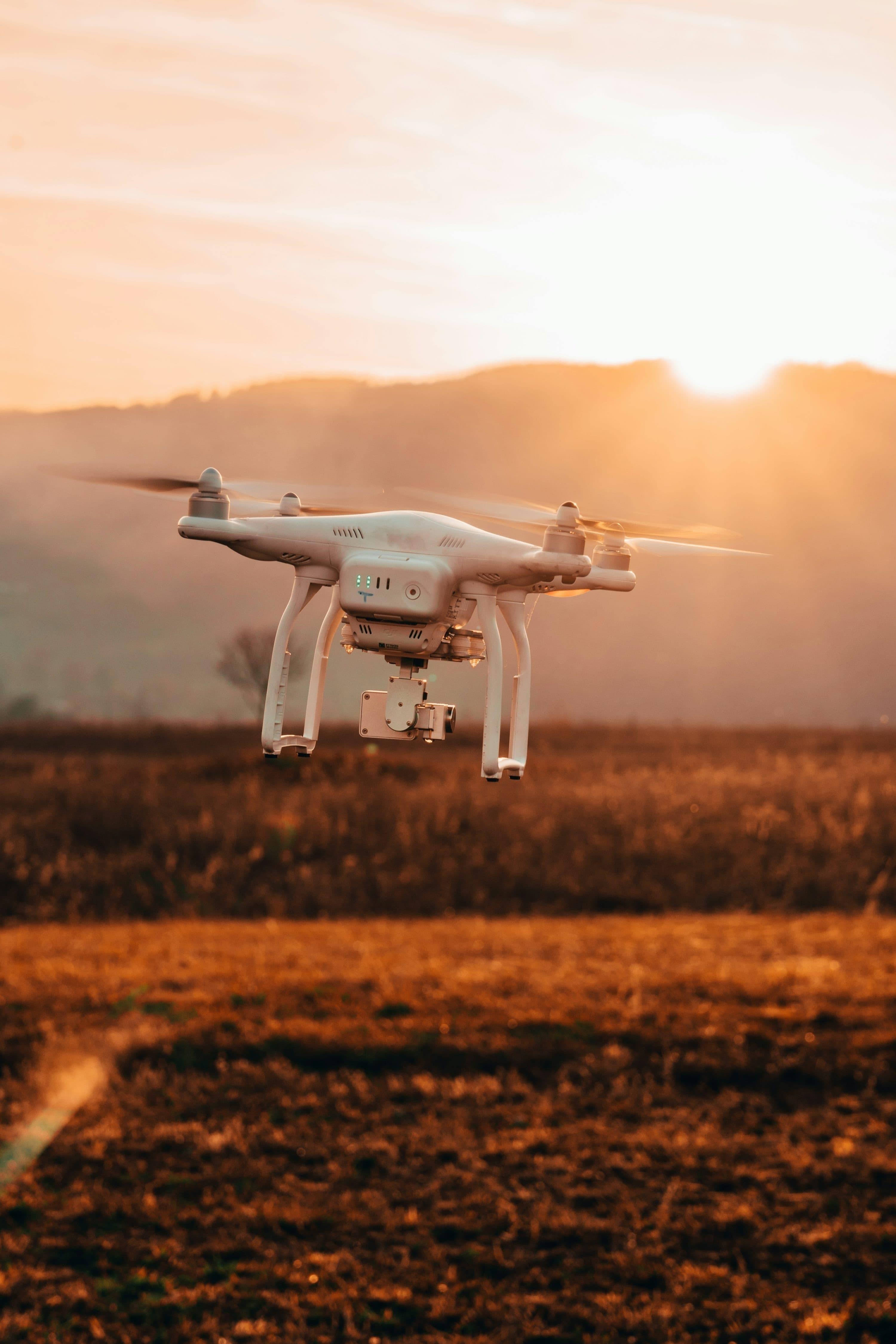 Shipping and delivery companies are experimenting with heavy-lift autonomous drones to reduce costs, bypass infrastructure limitations, and expedite urgent shipments—especially valuable in remote locations.
 - Environmental monitoring: The size and endurance of these drone systems make them ideal for conducting aerial surveys over vast areas, supporting conservation efforts, agricultural mapping, and climate data collection.
- Telecommunications: Equipped with powerful transceivers, they can act as temporary cell towers or communication nodes, restoring connectivity after disasters or supporting large-scale outdoor events.
- Military and defense:
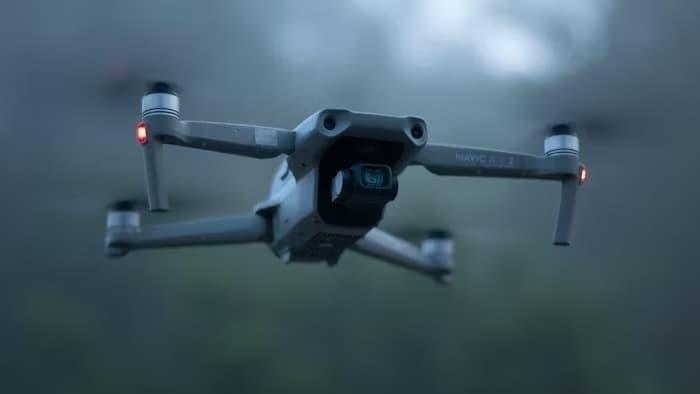 These drones are increasingly deployed for tactical supply delivery, surveillance, even simulated combat scenarios, offering robust support to ground operations without direct human risk.
Technological Innovations Driving Growth
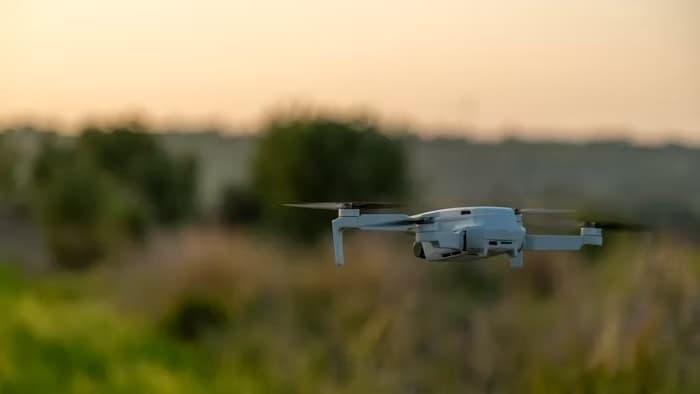
Today’s suv size drones benefit from breakthroughs in energy storage, materials science, and machine learning. Lightweight composite airframes, high-efficiency battery packs, and next-gen autopilot software are standard features. Advanced sensor arrays detect obstacles, monitor weather conditions, and enable precise, autonomous landings. Cybersecurity is a growing focus, ensuring data and transmission safety for critical missions. Their modular design makes it possible to swap out specialized packages for differing mission profiles, bringing unprecedented flexibility.
For instance, disaster zone mapping requires high-resolution cameras and LIDAR sensors, while logistics might need temperature-controlled compartments. The ability to reconfigure quickly lowers operational costs and improves mission outcomes.
Comparative Review: SUV Size Drones vs. Traditional Aircraft
While manned helicopters and planes remain key tools for aerial work, SUV sized drones offer several compelling advantages: lower operating cost, reduced carbon footprint, and fewer personnel risks. They can be launched more flexibly, navigating hazardous sites or providing support during night operations. However, limitations in current battery technology and weather resistance mean traditional aircraft are still necessary for ultra-longhaul missions or harsh environments.
SUV sized drones represent a viable complementary solution, especially for tasks that require high agility or immediate deployment without lengthy preparations.
Future Outlook and Emerging Trends
The evolution of large-scale drones is set to accelerate. Research into hydrogen fuel cells and solar power may soon greatly extend flight times and sustainability. Integration with 5G and satellite communications will enable broader connectivity and more robust remote operations. Startups and aerospace giants alike are pushing the boundaries, experimenting with swarm capabilities, autonomous air traffic coordination, and new vertical takeoff and landing systems. Collaborations between regulators, technologists, and end-users are shaping standards to support international deployment.
Expert Insight: What Makes SUV Size Drones Unique?
Unlike small consumer UAVs, the unique blend of size, performance, and technological sophistication found in suv size drones truly sets them apart. They symbolize a bridge between traditional aviation and unmanned systems, promising safer, more efficient, and more adaptable operations for governments, businesses, and researchers. Whether in humanitarian aid, scientific exploration, or infrastructure management, their potential to drive change is remarkable.
Frequently Asked Questions (FAQ)
- What is considered a SUV size drone?
- SUV size drones refer to unmanned aerial vehicles comparable in dimension and payload to traditional sports utility vehicles, typically featuring robust construction, high endurance, and the ability to carry large or specialized cargo.
- How do SUV size drones improve disaster response?
- They enable rapid, precise delivery of supplies and communication systems to isolated or dangerous areas, augmenting human rescue teams and providing critical support where ground access may be limited.
- Are SUV size drones legal to operate?
- Regulations vary by region, with most countries requiring special certification, flight permissions, and compliance with airspace protocols. Ongoing advancements in safety and oversight are making commercial deployment more feasible internationally.