
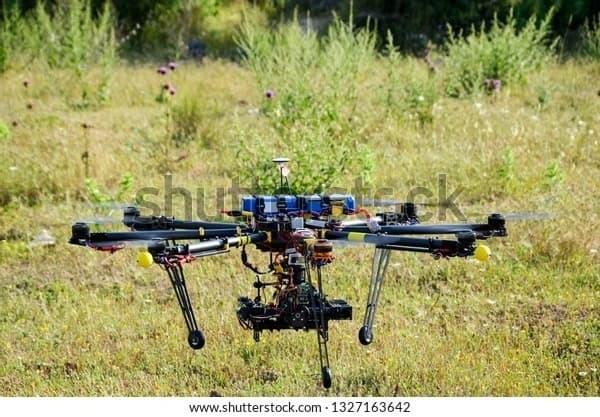
 . This phenomenon is not only reshaping local law enforcement strategies but also prompting regulatory authorities to revisit their stance on unmanned aerial vehicles (UAVs). In this comprehensive overview, we delve into the factors driving these arrests, the nature of the incidents, and the evolving legislative landscape surrounding drones in Boston.
Drones, once viewed primarily as hobbyist devices, have rapidly evolved, becoming integral to industries and individuals across Boston. However, their increased usage has introduced a set of unique challenges. Among these, the unauthorized operation of drones in restricted zones, such as near airports, government buildings, or during large public events, has resulted in a series of arrests over the past year. Law enforcement officials report that such infringements typically stem from users’ ignorance of local regulations, deliberate rule-breaking, or a misunderstanding of federal drone guidelines.
Role of Law Enforcement and Investigation Strategies
The Boston Police Department, in collaboration with federal agencies like the FAA, has developed specialized protocols for tracking, intercepting, and investigating illegal drone activity. This typically involves sophisticated radar and signal-jamming technologies, as well as public tip lines active during major events. When an arrest is made, suspects may face charges such as trespassing, endangering public safety, or violating airspace restrictions, often resulting in sizeable fines or even criminal prosecution.
Regulatory bodies have responded to the growing frequency of drone arrests in Boston by updating local ordinances. In 2023, Boston implemented more stringent registration requirements and restricted flight paths for drone operators within city limits. Educational campaigns, both online and through community outreach, now aim to bridge the knowledge gap among amateur pilots, emphasizing respect for privacy, public safety, and federal aviation rules.
Impact on Businesses and Drone Enthusiasts
The rise in arrests has caused palpable unease in Boston’s burgeoning drone industry. Commercial drone operators, such as real estate photographers and infrastructure inspectors, fear overregulation that may stifle innovation. To counteract these concerns, the city has fostered dialogue with stakeholders, providing clear channels for legal flight permissions and expedited review processes for commercial projects. Hobbyists, meanwhile, face new hurdles as the need for licenses and certificates becomes standard even for recreational flights. Boston’s evolving regulations around drones underscore the need for all operators to remain vigilant and updated on local laws to avoid falling afoul of enforcement.
Industry experts argue that drone arrests, while necessary to maintain public safety, should be accompanied by robust educational initiatives and accessible pathways to compliance. This approach not only deters illegal activity but also preserves the innovative potential of the drone sector, which provides critical services in fields such as disaster response, environmental monitoring, and urban planning.
Public Response and Controversy
The community’s reaction to increased arrests is mixed. Some citizens welcome tighter controls, citing concerns over privacy invasion and risks to air traffic. Others view the crackdown as disproportionate, fearing it will discourage beneficial drone applications. The local government maintains that the safety of residents and air travelers must take precedence, though city officials have pledged to keep regulatory dialogue open and transparent. Advocacy groups have sprung up, calling for balanced legislation that considers both technological advancement and community interests.
- The FAA’s latest guidelines mandate that all drones above a certain weight must be registered, with penalties for non-compliance including hefty fines and confiscation.
- Boston’s municipal code now requires flight permit applications for any unmanned flight in downtown areas or near sensitive infrastructure.
- Special drone awareness seminars are hosted quarterly, providing legal, technical, and ethical training for new and veteran drone pilots in the city.
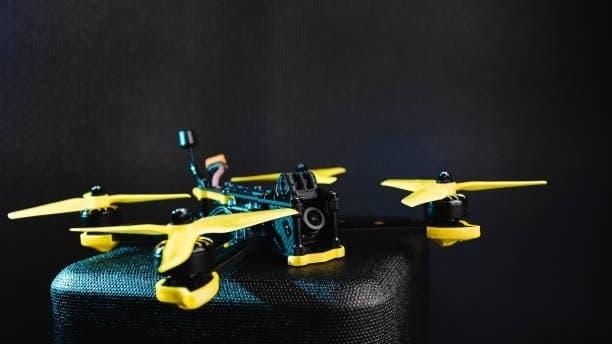
The Future of Drone Regulations in Boston
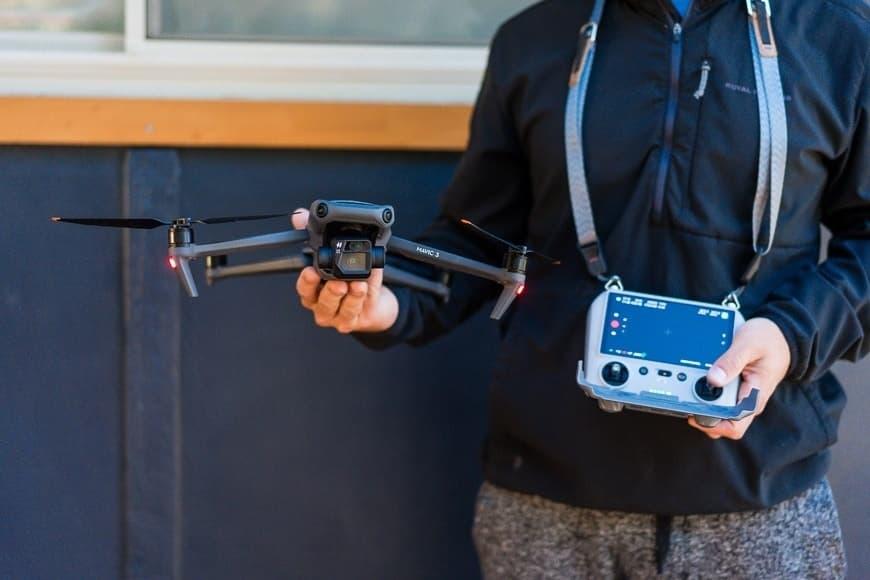 As drone technology continues to progress, Boston must balance innovation with public safety—a challenge reflected in its regulatory response to increasing drone arrests. Future trends may include the adoption of advanced drone tracking immediately upon takeoff, mandatory flight-log submissions, and geo-fencing software integrations that prevent unauthorized flights. Community input remains critical, as policymakers seek to accommodate both recreational enjoyment and commercial interests while preventing misuse.
In summary, the growing incidence of drone arrests in Boston has not only affected local regulatory approaches but also underscored the city’s need for up-to-date technology and collaboration between public and private sectors. The key to success lies in maintaining open channels between lawmakers, law enforcement, and drone operators, ensuring Boston remains at the forefront of both safety and technological progress.
Frequently Asked Questions (FAQ)
- What are the common reasons for drone arrests in Boston?
- Most drone arrests occur due to flights in restricted or federally regulated airspace. These areas include airports, stadiums during events, and government buildings. Additional causes include lack of registration, privacy violations, and endangering public safety.
- Can commercial drones operate freely in Boston?
- No, commercial drones require proper licensing, certifications, and often pre-approved flight plans, especially when operating near sensitive locations. Permits and legal compliance are mandatory to avoid fines and possible arrest.
- How can hobbyists avoid legal issues when flying drones in Boston?
- Stay informed on current regulations, register the drone if required, avoid restricted zones, and attend training or informational seminars. The city provides resources online and through local clubs to help enthusiasts remain compliant.