
In the ever-evolving landscape of technology, few innovations have captured the imagination and curiosity of the public as profoundly as drones. But have you ever paused to ponder, who exactly is behind the invention of drones? The journey of drones from a concept to becoming a staple in modern technology is fascinating and worth exploring.
Tracing the Origins
The concept of drones is deeply rooted in the history of aviation and military technology. The idea of unmanned aerial vehicles (UAVs), which is the technical term for drones, can be traced back to the early 20th century. During World War I, engineers flirted with the idea of developing planes that could be controlled remotely to perform tasks without risking human lives. These initial explorations laid the groundwork for what would eventually become modern drone technology.
Key Innovators
A pivotal moment in the history of UAVs occurred in 1935 when Reginald Denny, a British actor and aviation enthusiast, developed the Radioplane OQ-2. This was one of the first remote-controlled drones used by the U.S. military for target practice. While not the sophisticated drone technology we see today, Denny’s innovation was instrumental in advancing the concept of drones.
Fast-forward to the latter part of the 20th century, and we witness the sophistication of drones skyrocketing with significant contributions from companies like General Atomics and developers such as Abraham Karem. Karem, often referred to as the “father of drones,” designed the Predator drone, a key development for the U.S. military, revolutionizing the use of drones in surveillance and military operations.
Technological Advancements
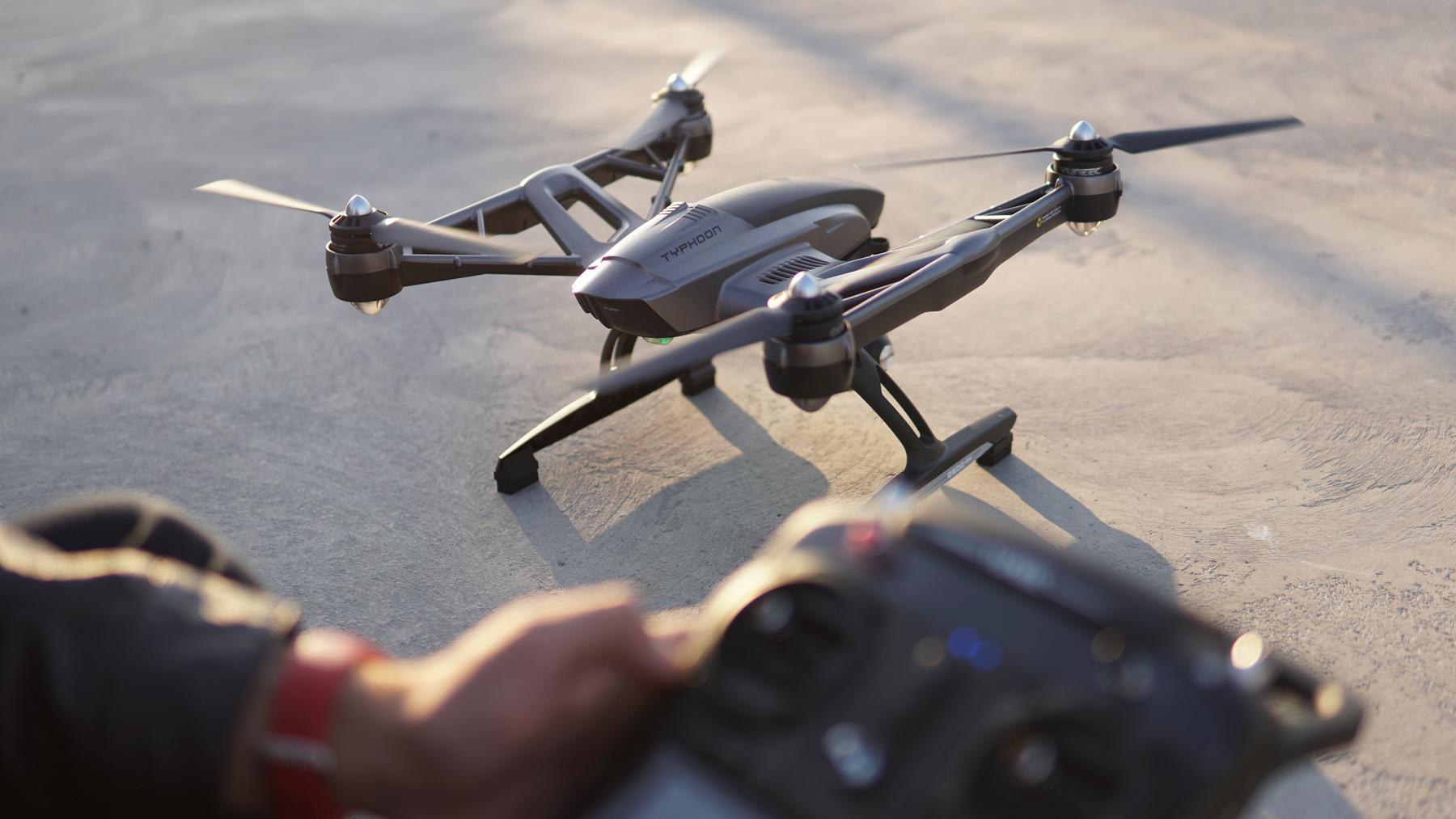
With the critical foundations laid by these early inventors, drone technology continued to evolve, driven by advancements in electronics, communication systems, and miniaturization. Modern drones are equipped with high-resolution cameras, GPS systems, and sophisticated navigation software that allows them to fly autonomously in various environments.
The personal drone revolution was spearheaded by DJI, a Chinese technology company that has made drones accessible to the masses. Their products like the DJI Phantom series have democratized drone technology, allowing hobbyists, filmmakers, and even farmers to leverage drones for diverse applications.
Drone Uses in Today’s World
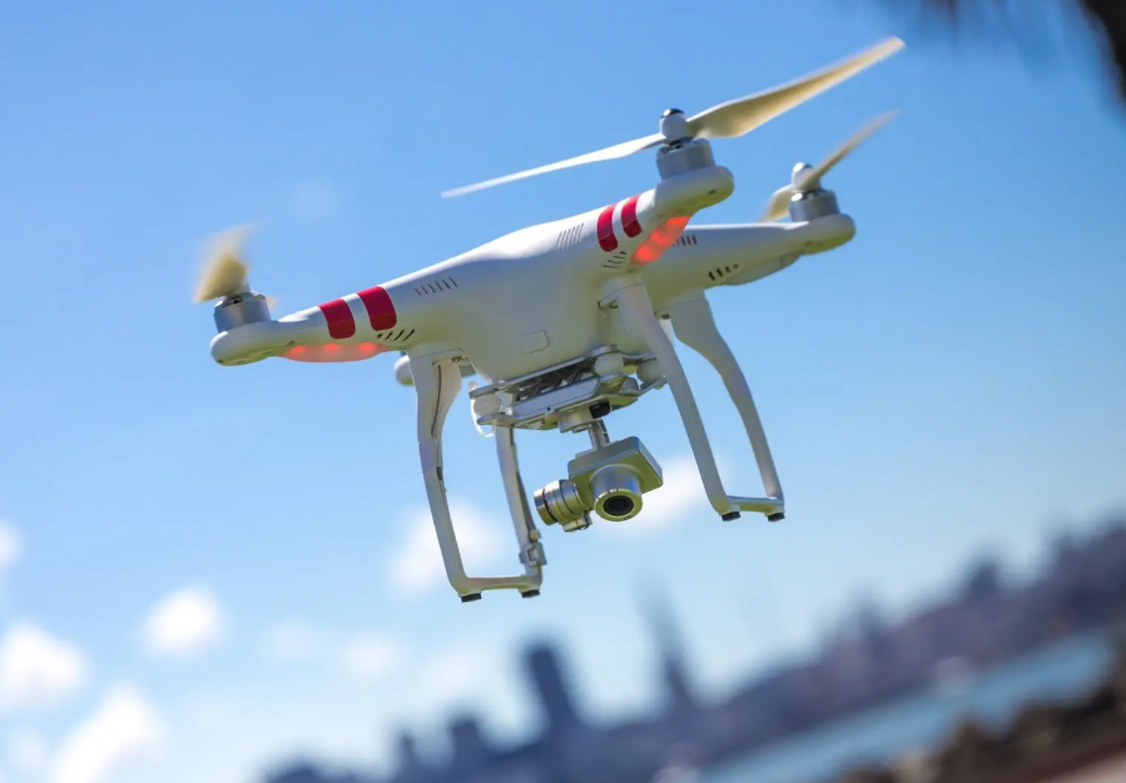
The applications of drones today are vast and varied, spanning numerous industries such as agriculture, real estate, environmental monitoring, and more. In agriculture, drones are being used to monitor crop health and optimize resource use. In real estate, they provide stunning aerial views that help market properties more effectively. Environmental scientists use drones to monitor wildlife and gather critical data without disturbing habitats.
FAQs
Who invented the first military drone?
The first military drone that gained recognition was the Radioplane OQ-2, developed by Reginald Denny during World War II for the U.S. military.
How have drones changed the technological landscape?
Drones have significantly impacted various sectors by providing efficient solutions for tasks that involve surveying, monitoring, and data collection, expanding the possibilities in fields ranging from filmmaking to scientific research.
What is the future potential of drone technology?
The future of drones is promising with potential advancements in AI, battery technology, and further miniaturization, which could lead to their even wider adoption and integration into daily life and myriad industries.