
Unlocking Your Path to Drone 107 Certification Success
Mastering the drone 107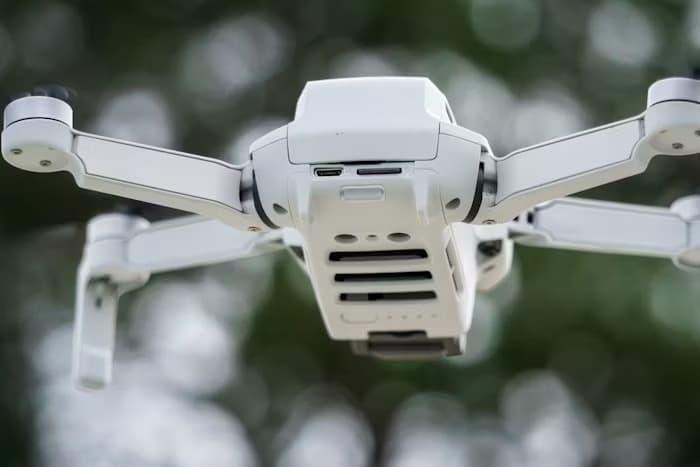 certification is essential for anyone aspiring to pursue a career in commercial drone piloting, aerial photography, agriculture surveying, or related industries. The FAA’s Part 107 exam not only validates your operational knowledge but is also a gateway to legal drone operations in the United States. In this comprehensive guide, we will unravel actionable tips, strategic study methods, and key resources to elevate your preparation and ensure success.
Understanding the Drone 107 Certification
The FAA Part 107 certification allows individuals to commercially operate unmanned aircraft systems (UAS) under 55 pounds. Passing the drone 107 exam demonstrates your understanding of aeronautical charts, regulations, weather patterns, and risk management. It’s not merely about memorizing facts—it’s about holistic comprehension and real-world application.
1. Know the Exam Format
The exam consists of 60 multiple-choice questions, each with three possible answers. You’ll need at least a 70% score to pass. Topics include airspace classifications, flight restrictions, emergency procedures, and crew resource management. Drilling down on content domains gives you the best shot at success and keeps drone 107 front and center throughout your study.
2. Utilize Quality Study Materials
- Choose FAA-approved handbooks and online courses.
- Leverage interactive practice tests to simulate the testing experience.
- Reference official aeronautical charts and sectional maps to build expertise in navigation.
3. Make a Study Schedule—and Stick to It
Consistency is key. Set aside dedicated daily time for drone 107 exam prep. Use timers or study apps to keep distractions away. Revisiting material regularly helps reinforce your memory and understanding, targeting knowledge gaps before test day.
4. Emphasize Weather and Airspace Knowledge
Many candidates overlook meteorology and airspace classifications, yet these concepts make up a significant portion of the drone 107 exam. Become familiar with METAR and TAF weather reports. Know how to interpret controlled versus uncontrolled airspace and temporary flight restrictions. Real-world scenarios often reference these areas, so practice with sample questions in context.
5. Use Mnemonics and Visualization Techniques
Retaining regulations and procedural steps can be challenging. Construct memorable acronyms, visual diagrams, and color-coded charts to make recall easier. For charts and FAA maps, color overlays and legends provide a shortcut for quick comprehension during high-pressure exam moments.
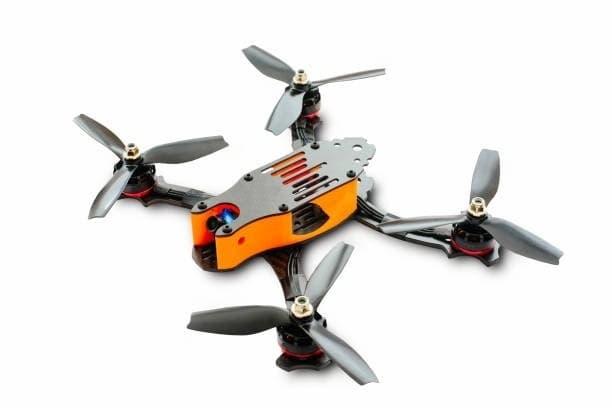
6. Engage in Hands-on Practice
Knowledge is important, but practical application cements your learning. Fly drones in compliance with FAA rules and record mock missions. Exploit simulator tools and flight log apps to track your progress and adapt as you learn. Some test questions focus on real-life operational scenarios, so experience pays dividends.
7. Keep Up With Regulatory Updates
The landscape of unmanned aircraft regulation is continuously evolving. Subscribe to UAV news feeds, join online pilot communities, and participate in webinars to stay informed. Regulatory changes may influence the drone 107 exam, so stay ahead and adapt your study materials when necessary.
8. Take Care of Logistics Early
Register for the exam at an FAA-approved testing center ahead of time. Confirm necessary documentation, such as government-issued IDs, and understand the check-in process. Factor in driving directions, parking, and other logistical details to minimize stress on exam day. Preparation pays off!
9. Review Sample Drone 107 Questions
Scour reputable online forums and FAA practice exams for frequently asked questions. Analyze both correct and incorrect responses to fine-tune your approach. Review explanations for answers—not just the choices themselves—to grasp underlying principles and applied reasoning.
10. Focus on Safety and Ethical Operation
The drone 107 certification underscores responsible operation. Familiarize yourself with both FAA safety protocols and universal ethical standards, including respecting privacy, avoiding restricted areas, and ensuring public welfare during flights. The exam will test your situational judgment in addition to your technical knowledge.
11. Test-Taking Strategies for Success
On exam day, pace yourself and read each question carefully. Eliminate obviously incorrect answers first, then weigh your remaining options. Mark challenging questions for review and return to them if time allows. Stay calm, focused, and confident; thorough preparation will see you through.
12. Post-Exam Steps
After passing, you’ll receive your FAA Remote Pilot Certificate. Ensure you update your credentials and stay prepared for biennial knowledge recertification. Use your certificate to unlock drone job prospects, launch your own aerial business, or advance in your current work.
Why the Drone 107 Credential Matters
The certification demonstrates a commitment to safety, professionalism, and growth in the UAV space. With the drone market expanding, holding a valid drone 107 opens doors to lucrative opportunities in media, real estate, surveying, and agricultural services. Stay competitive and compliant—the credential is your ticket to excellence.
FAQs About Drone 107 Certification
- How long is the drone 107 certification valid?
- Your certificate is valid for 24 months. You’ll need to complete a recurrent training every two years to remain active.
- Can minors take the drone 107 exam?
- Applicants must be at least 16 years old, able to read, write, and speak English, and be physically and mentally capable of safely operating a drone.
- What if I don’t pass the test?
- You can retake the exam after a 14-day waiting period. Use feedback from your first attempt to sharpen your study focus and improve the next outcome.
In summary, earning your drone 107 certification requires smart preparation, strategic study techniques, and continual engagement with current regulations and best practices. Unlock new career paths and elevate your drone skills with unwavering commitment, and you’ll soar through the drone 107 exam with confidence.