
Your Complete Guide: Mastering How to Flight Drone for Beginners
Understanding Drone Flight Fundamentals
Drones, also known as UAVs (Unmanned Aerial Vehicles), come in various shapes, sizes, and functionalities. Before practicing how to flight drone efficiently, acquaint yourself with the drone’s parts: propellers, motors, camera (if equipped), flight controller, and transmitter/remote. Most entry-level drones are quadcopters, which provide stable flight and easy control for beginners. Spend time reading your drone’s manual—understanding safety features and setup instructions is crucial for a smooth first flight.
- Propellers: These generate lift and allow movement.
- Gyroscope and Accelerometer: Stabilize the drone’s flight.
- Batteries: Typically lithium polymer (LiPo), offering various flight times; always monitor charge levels.
- Remote Controller: Used to control yaw, pitch, throttle, and roll, the core movements required for flight.
Preparing for Takeoff: Pre-Flight Checklist
Preparation ensures your first session with how to flight drone is safe and successful.
- Charge your batteries fully—uninterrupted power means uninterrupted learning.
- Inspect the drone for damage, loose parts, or dirty sensors.
- Install propeller guards (highly recommended for beginners).
- Check weather conditions—avoid strong wind or rain, optimal flying conditions are essential for training.
- Select an open, obstruction-free space for your first flights. Avoid people, buildings, and power lines.
Basic Drone Controls and Movements
Practice is critical to mastery. Familiarize yourself with these four basic controls on your remote:
- Throttle: Controls altitude by increasing/decreasing power to motors.
- Yaw: Rotates the drone clockwise or counterclockwise, directing its nose.
- Pitch:
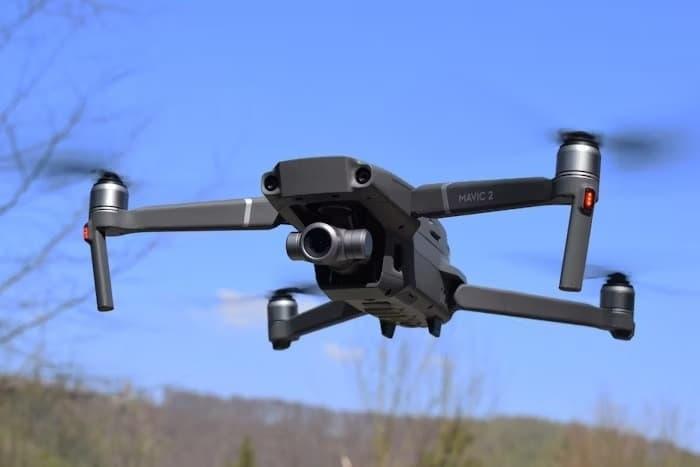 Tilts the drone forward or backward (moves it ahead or behind).
 - Roll: Tilts the drone left or right, moving it sideways.
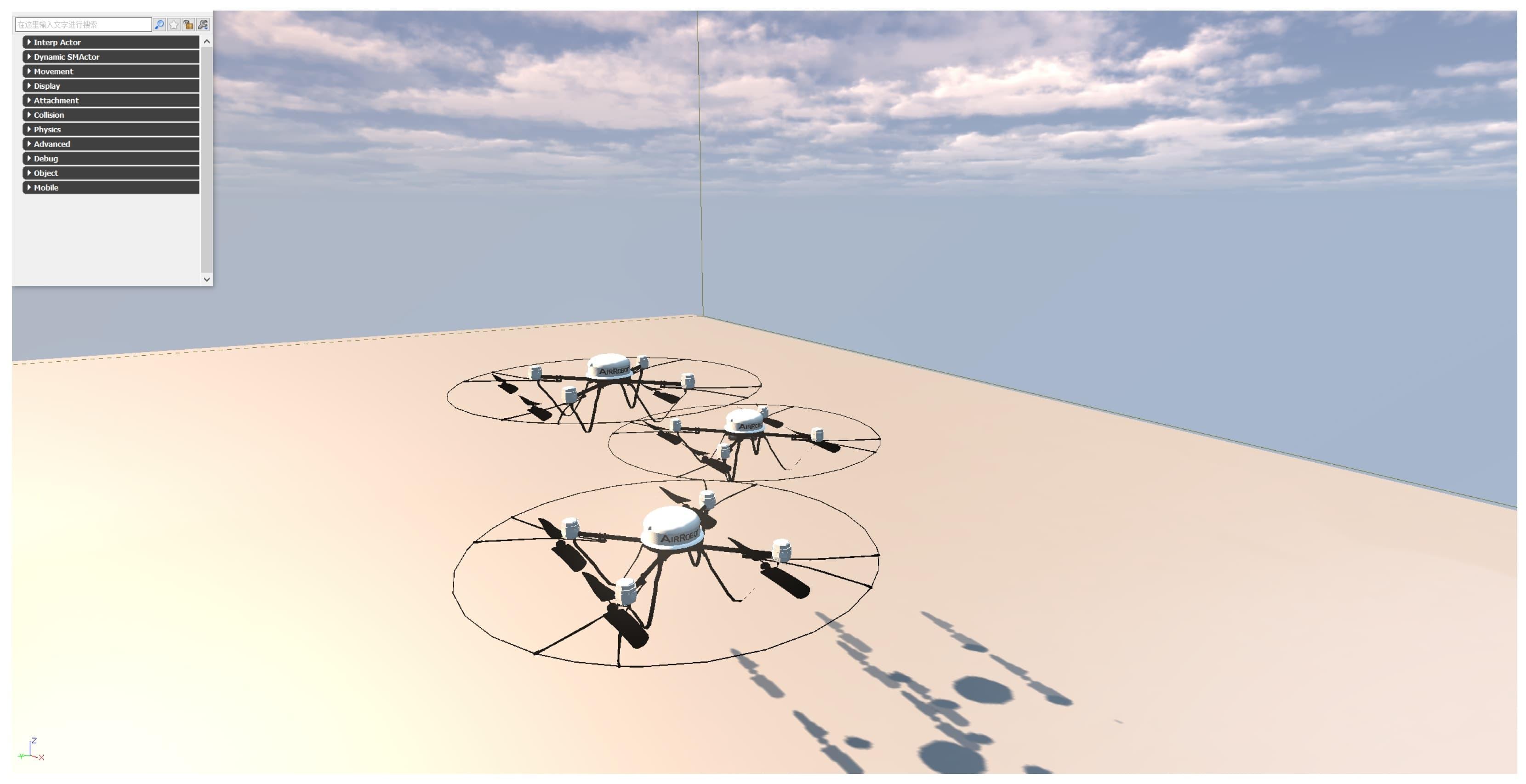
To get started on how to flight drone, place the drone on flat ground, steadily increase throttle to lift-off, and try to maintain a hover at low altitude. Practice gentle movements: yaw to turn, roll to sidestep, and pitch to advance or retreat. Repeat these maneuvers until you’re confident.
Common Flight Modes and Features
Beginner drones often include features like Headless Mode (simplifies directional control), Altitude Hold (maintains set height), and Return-to-Home (RTH) for emergencies. Understanding how to use these built-in tools can dramatically ease your learning curve when figuring out how to flight drone.
Safety Tips for First-Time Pilots
- Never fly near airports or restricted areas—respect airspace regulations.
- Keep line of sight with your drone at all times.
- Monitor battery life to prevent mid-air power loss. Land immediately if the battery critically depletes.
- Be mindful of animals and bystanders. Always prioritize the safety of people and property.
For minors, adult supervision is recommended during practice sessions.
Step-by-Step Flying Tips: How to Get Comfortable Quickly
- Start slow: Short, low-altitude hover sessions help build muscle memory for control.
- Use simulators: Many brands provide flight simulators so you can practice virtually without risking hardware damage.
- Practice takeoff and landing: Smooth, controlled takeoffs and gentle landings reduce accidents.
- Make basic patterns: Fly your drone in simple squares and figure-eights to master pitch and roll coordination.
- Experiment with camera controls: If your drone includes a camera, get comfortable switching between flight and photography modes.
Advanced Beginner Tricks
Once you’re comfortable with foundation skills for how to flight drone, try more advanced maneuvers:
- Circle around a fixed point (“orbit”), keeping the camera focused on a subject.
- Fly backwards—forces you to reverse your orientation, sharpening spatial awareness.
- Smooth altitude changes—practice climbing and descending steadily without jerky motions.
Maintaining and Caring for Your Drone
Proper maintenance is as important as learning how to flight drone. After every session:
- Wipe dust and debris from propellers and body.
- Check for cracks or dents.
- Store batteries in a safe, dry location.
- Update firmware when available to benefit from improved stability, features, and security.
Drone Flight Etiquette and Legal Considerations
Adhering to local rules not only ensures safety but protects your right to fly. In most countries, recreational drones must be registered if they exceed a weight threshold. Never operate drones in ways that might invade others’ privacy. Read up on altitude limits and no-fly zones in your country before each session. If flying commercially (for photography, inspection, or business), additional licensing may be necessary.
Expanding Your Drone Skills
After you’re confident in the basics of how to flight drone, consider joining a flying club, signing up for advanced workshops, or entering drone racing events to expand your community and technical know-how.
Frequently Asked Questions (FAQ) about Drone Flight
- What is the best drone for beginners? Most new pilots benefit from drones with easy controls, altitude hold, and propeller guards, such as the DJI Mini SE or Ryze Tello.
- How long does it take to learn how to flight drone? With regular practice, most people gain basic proficiency in 3–5 hours, although mastering complex moves may take longer.
- Can I fly my drone indoors? Yes, but use smaller models with propeller guards, and ensure plenty of open space. Turn off GPS mode for indoor flights, and minimize distractions.
With these tips and responsible habits, you’ll soon become skilled and confident in how to flight drone—unlocking the full potential of this exciting technology!