
One of the main benefits of a fiber optic drone lies in its ability to transmit vast amounts of high-resolution video and sensory data without the latency or bandwidth bottleneck common in standard wireless connections. Fiber optics, renowned for their light-speed transfer rates and resilience against electromagnetic interference, empower surveillance drones to deliver real-time imagery over longer distances with minimal signal degradation. For large-scale or critical operations, such as border patrol, event security, or disaster response, maintaining uninterrupted communication is crucial, and fiber optic drone networks excel in this aspect.
Key Features of Fiber Optic Drones in Modern Surveillance
- Unmatched Data Transmission Speeds: Leveraging light-based signals, fiber optic drones can send gigabytes of data instantaneously, ensuring sharp, clear live feeds for surveillance operators.
- Enhanced Security Layers: Fiber cables are significantly less susceptible to interception, hacking, or signal jams, making surveillance safer and more confidential.
- Long-Distance Communication: Drones utilizing fiber optic cables can operate effectively over extended ranges compared to conventional radio-based systems, ideal for monitoring large perimeters or remote areas.
- Environmental Robustness: Fiber optics provide consistent performance in adverse weather or electromagnetic conditions, invaluable for all-season surveillance operations.
Innovations Driving Fiber Optic Drone Adoption
Advancements in lightweight fiber cable manufacturing mean drones today can be equipped with ultra-thin, high-capacity wiring without hampering flight dynamics or range. Additionally, fusion splicing technology allows for quick repairs and upgrades in the field, promoting operational flexibility. The compatibility of fiber optic drone platforms with AI-powered analytics lets surveillance teams filter, process, and act upon huge data streams in real time, unlocking predictive security and automated threat detection capabilities.

Challenges and Considerations in Fiber Optic Drone Implementation
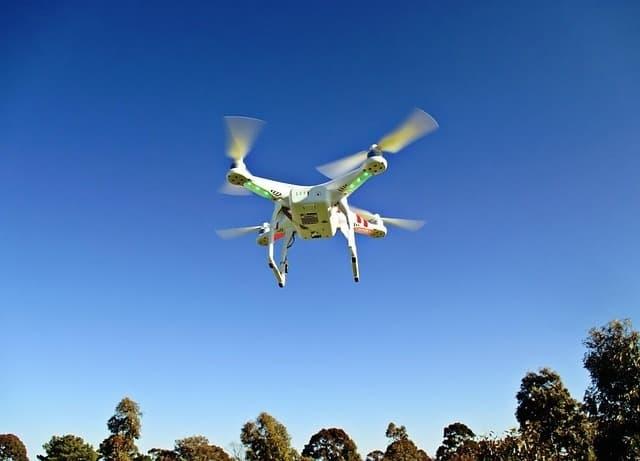
Despite the advantages, deploying fiber optic drone networks presents some logistical hurdles. System installations require planning for the physical laying of fiber cables, particularly in densely populated or obstructed areas. Cable management onboard drones and ensuring strong, resilient connections during lengthy flights are engineering challenges that vendors are actively working to address. Budgetary constraints, regulatory frameworks, and the need for specialized skillsets also play crucial roles in shaping global adoption.
SEO Benefits for Entities Using Fiber Optic Drone Surveillance
- Competitive Edge in Security: Highlighting fiber optic drone capabilities increases search engine visibility for security-focused brands and services.
- Content Authority: Publishing detailed, original information about fiber optic drone technology boosts domain authority and attracts niche audiences.
- Expanded User Engagement: Multimedia and interactive content (like drone footage) supported by fiber optic transfer not only improves SEO but also keeps visitors engaged longer.
Conclusion
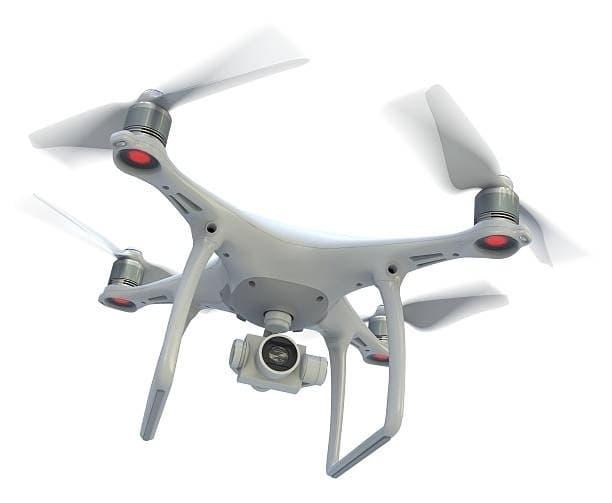
In summary, the future of surveillance is being redefined by fiber optic drone systems. With their superior data transfer, robust security, and growing versatility, these drones are poised to become the backbone of next-generation surveillance across industries. As adoption continues, improvements in cable management, AI integration, and network scalability promise even greater capabilities and broader reach for monitoring applications.
Frequently Asked Questions
- What is a fiber optic drone?
- A fiber optic drone uses fiber optic cables for high-speed, secure data transmission, allowing for real-time, reliable, and interference-resistant surveillance operations.
- Can fiber optic drones fly in any weather?
- Yes, fiber optic cables provide stable performance in challenging weather and electromagnetic environments, but flight capabilities depend on the drone model.
- Are fiber optic drones more secure than wireless drones?
- Absolutely. Fiber optic drones are less prone to hacking and signal interception due to the inherent security features of physical cable transmission.