
The deployment and development of USAF drones are revolutionizing modern warfare. As the United States Air Force (USAF) continues to innovate, their drone technology presents a myriad of capabilities and potential future advances, positioning these aerial vehicles as crucial elements within contemporary military strategies. USAF drones, or Unmanned Aerial Vehicles (UAVs), offer strategic advantages across various operational scenarios due to their versatility, improved surveillance abilities, and precision in action.
Current Capabilities of USAF Drones
USAF drones have transformed military reconnaissance and combat operations. Their ability to remain airborne for extended periods, paired with sophisticated sensors, allows for unparalleled surveillance. These drones can capture high-resolution imagery, identify targets, and provide real-time data, enhancing situational awareness for mission commanders.
Moreover, USAF drones are equipped with cutting-edge technologies that enable precision strikes, minimizing collateral damage and maximizing mission effectiveness. The integration of artificial intelligence has further optimized their flight patterns, target recognition, and threat analysis, ensuring these drones execute tasks efficiently and autonomously.

The Drone Fleet
The USAF’s drone fleet, including models like the MQ-9 Reaper and RQ-4 Global Hawk, exemplifies advanced aeronautic engineering and technological prowess. The MQ-9 Reaper, renowned for its hunter-killer capabilities, possesses impressive endurance, high altitude operations, and precision strike capacity, making it indispensable for both offensive and intelligence-gathering missions. On the other hand, the RQ-4 Global Hawk is tailored for surveillance and reconnaissance, offering high-altitude, long-duration flight abilities, pivotal for intelligence operations.
Future Prospects and Innovations
The future of USAF drones is promising, sparking interest in both technological advancements and strategic military applications. Emerging technologies such as quantum computing and AI enhancements are projected to boost their capabilities. Advances in sensor technology will further refine target acquisition and reconnaissance, while stealth technology developments are anticipated to enable more covert operations.
Additionally, the concept of swarming drones—multiple drones operating in a coordinated fashion—holds substantial potential for optimizing tactical strategies and resource allocation during missions. With ongoing research into energy-efficient batteries and alternative fuels, the endurance and range of these unmanned vehicles are slated for significant improvement.
The Impact on Military Strategy
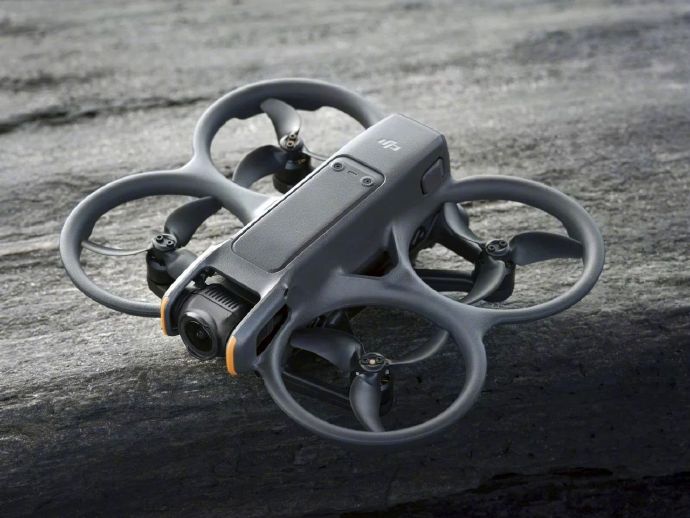
The incorporation of drones into military strategy has shifted traditional paradigms. Their deployment reduces risk to human life, provides strategic flexibility, and enriches battlefield intelligence. Looking forward, the symbiosis between manned and unmanned military operations could enhance operational execution and strategic impact.
FAQs and Extended Insights
Are USAF drones autonomous in their operations?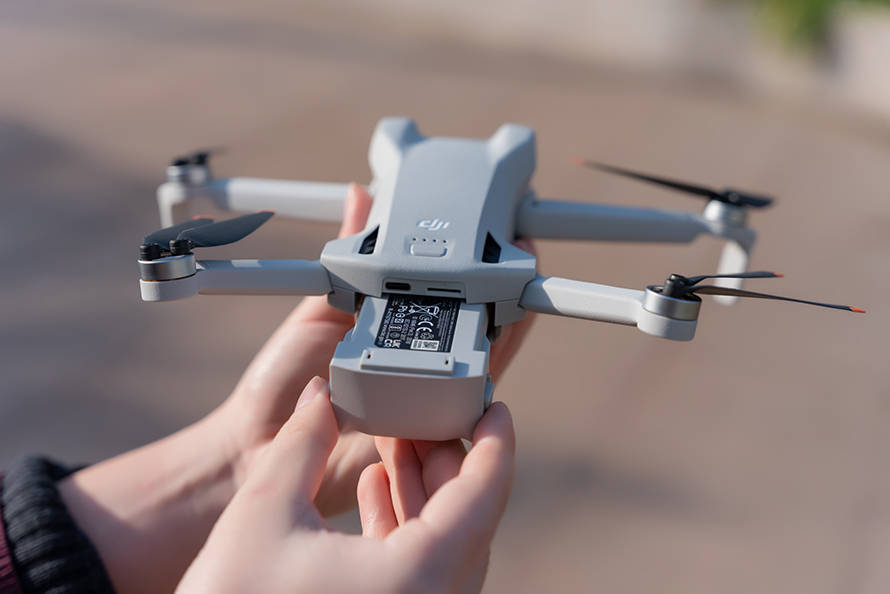 While USAF drones have autonomous capabilities for navigation and surveillance, they typically require human oversight for mission-critical decisions, especially those involving strikes.
What are the strategic benefits of using USAF drones? The strategic advantages include risk reduction for pilots, enhanced precision in targeting, and extended operational capabilities in hostile environments, making them vital for modern military operations.
How might drone technology evolve in the next decade? Looking ahead, we can expect advancements in artificial intelligence, machine learning, and modular drone designs, potentially leading to smarter, more adaptable systems capable of executing complex missions independently or collaboratively.