Exploring the Future of Drones Unmanned Technology and Its Impact on Modern Industries
Understanding Drones Unmanned Systems
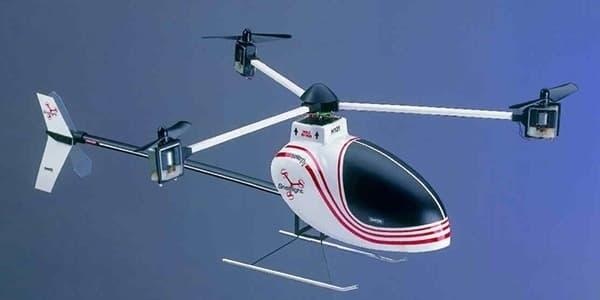
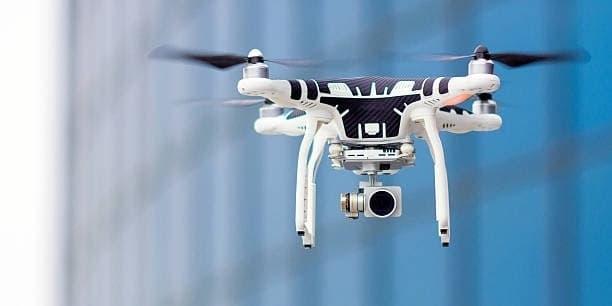
Drones, also referred to as unmanned aerial vehicles (UAVs), are aircraft operated without an onboard human pilot. Modern drones utilize a combination of sensors, GPS, real-time data links, and sometimes AI algorithms to perform complex tasks. These drones unmanned solutions range from small personal quadcopters to industrial-grade systems capable of transporting heavy payloads over long distances.
Key Technological Advancements
- AI Integration: Advanced AI and machine learning algorithms are enhancing the decision-making capabilities of drones unmanned systems, enabling real-time obstacle avoidance, autonomous navigation, and object recognition.
- Extended Flight Times: Improvements in battery technology and energy management have significantly increased UAV endurance, allowing for longer missions essential for industrial and agricultural applications.
- IoT Connectivity: The integration of drones unmanned technology into the Internet of Things (IoT) ecosystem has opened new possibilities for smart monitoring, predictive maintenance, and data analysis.
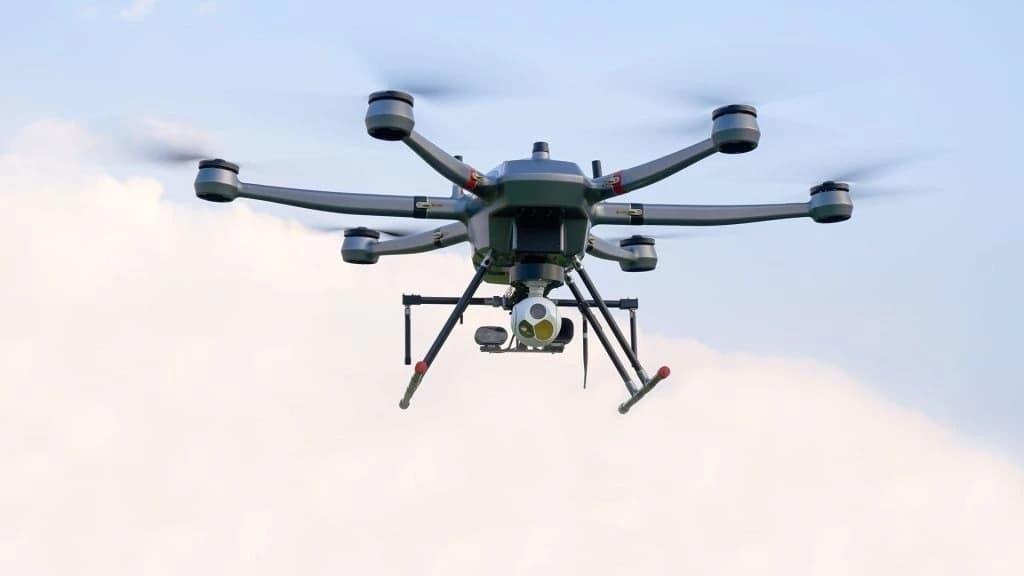
- Sophisticated Payloads: Modern UAVs can be equipped with high-resolution cameras, LIDAR sensors, thermal imagers, and multispectral sensors, broadening their range of commercial applications.
The Impact on Modern Industries
The deployment of drones unmanned systems has revolutionized various industries, offering increased efficiency, cost reduction, and new capabilities impossible with traditional methods.
1. Agriculture
Unmanned drones have transformed precision agriculture by enabling real-time monitoring of crop health, soil conditions, and pest infestations. Farmers use drones to spray pesticides, monitor irrigation, and even seed crops with greater accuracy and minimal resource waste. The data collected by drones unmanned help optimize yields and reduce environmental impact.
2. Construction and Infrastructure
Construction sites now deploy drones for surveying, mapping, and progress monitoring. The ability of UAVs to capture high-resolution images and generate 3D maps accelerates project planning, risk assessment, and quality control. Drones unmanned simplify the inspection of hard-to-reach infrastructures such as bridges, towers, and industrial facilities, improving worker safety and reducing downtime.
3. Logistics and Delivery
With the advent of drones unmanned delivery, logistics companies are reimagining last-mile delivery solutions. UAVs can deliver parcels to remote areas more quickly, reduce urban traffic congestion, and lower carbon emissions compared to conventional vehicles. In disaster relief and humanitarian crises, unmanned drones deliver medical supplies and essential goods where ground access is limited or blocked.
4. Energy and Utilities
Drones unmanned are invaluable in inspecting power lines, wind turbines, and solar panels. Their ability to fly close to structures and gather detailed visual data prevents costly shutdowns and improves preventive maintenance strategies, contributing to more resilient energy infrastructures.
5. Media and Entertainment
Filmmaking and journalism have embraced drones unmanned technology for unique aerial perspectives, live event coverage, and cost-effective production. Unmanned UAVs make creative shots and real-time reporting possible in locations previously inaccessible with traditional camera setups.
Challenges and Considerations
- Regulatory Hurdles: As the proliferation of drones unmanned increases, governments worldwide are developing new regulations for airspace usage, safety protocols, and privacy protections. Keeping up with evolving compliance requirements is crucial for widespread adoption.
- Security Concerns: The use of UAVs raises cybersecurity risks, as unmanned drones can potentially be hacked or used for illicit activities. Secure communication channels and software updates are vital for risk mitigation.
- Public Acceptance: Concerns over noise, wildlife disturbance, and privacy impact the deployment of drones in urban and rural areas. Thoughtful community engagement and transparent policymaking are essential for gaining societal trust.
The Future of Drones Unmanned Innovation
Looking ahead, the drones unmanned market is poised for exponential growth driven by technological blends in automation, AI, and edge computing. Expected trends include:
- Urban Air Mobility: The move towards passenger-carrying unmanned drones for air taxi services, promising to revolutionize urban transportation.
- Swarming Capabilities: Coordinated drone swarms performing collaborative tasks in emergency response, search and rescue, and agriculture, increasing operational efficiency.
- Edge Computing & 5G: Real-time data processing directly on unmanned drones with ultra-low-latency 5G networks, facilitating complex analytics without reliance on cloud infrastructure.
- Environmental Monitoring: Unmanned drones will play a crucial role in combating climate change, tracking wildlife, analyzing weather patterns, and contributing to conservation efforts worldwide.
Conclusion: Harnessing Drones Unmanned for Industry Transformation
The evolution of drones unmanned technology stands at the frontier of a new industrial revolution. With applications spanning agriculture, infrastructure, logistics, and more, UAVs continue to redefine efficiency, safety, and growth potential across sectors. For businesses and governments, staying informed about advances in unmanned drones and proactively adapting to this paradigm shift will be instrumental in maintaining a competitive edge. As innovation accelerates, understanding both the opportunities and the challenges of this technology is vital for unlocking its full potential.
Frequently Asked Questions
- What makes unmanned drones different from traditional manned aircraft?
- Drones unmanned operate without a human pilot onboard and are typically controlled remotely or autonomously, offering greater flexibility, reduced operational costs, and the ability to access hazardous or hard-to-reach locations.
- Are there privacy concerns associated with increased drone usage?
- Yes, the widespread adoption of drones unmanned has raised concerns about surveillance and privacy. Regulatory frameworks are being updated globally to address these issues and strike a balance between innovation and citizens’ rights.
- How will drones unmanned technology evolve in the next decade?
- The future in drones unmanned technology will likely include more advanced AI, larger payload capacities, increased flight times, urban air mobility, and a stronger focus on safety and sustainable operations.