The intersection of ancient history and modern technology is a fascinating domain. One such intriguing example is the utilization of drone technology to explore the wonders of the Terracotta Warriors, an archaeological marvel that has captivated the world for over two millennia.
Introduction to Terracotta Warriors
The Terracotta Army was discovered in 1974 in Xi’an, China, and consists of thousands of life-sized sculptures representing the armies of Qin Shi Huang, the first Emperor of China. These statues, known for their intricate details, provide an invaluable glimpse into the past. Nowadays, researchers are employing advanced drone technology to uncover secrets buried with the warriors.
The Role of Drones in Archaeology
Drones, equipped with high-resolution cameras and sensors, offer archaeologists a new vantage point. Their ability to capture aerial views has revolutionized the way excavations are conducted, especially in vast sites like the Terracotta Army’s mausoleum. This technology enables detailed mapping, facilitates the monitoring of archaeological digs, and helps in preserving the site by identifying areas prone to erosion or damage.
- Efficient Surveying: Drones improve surveying efficiency, allowing experts to conduct comprehensive analyses in a minimal amount of time.
- Cost-Effectiveness: Using drones minimizes the resources required for manual surveying.
- Enhanced Data Collection: Drones can gather data from angles that would be impossible for humans to reach.
Advanced Techniques
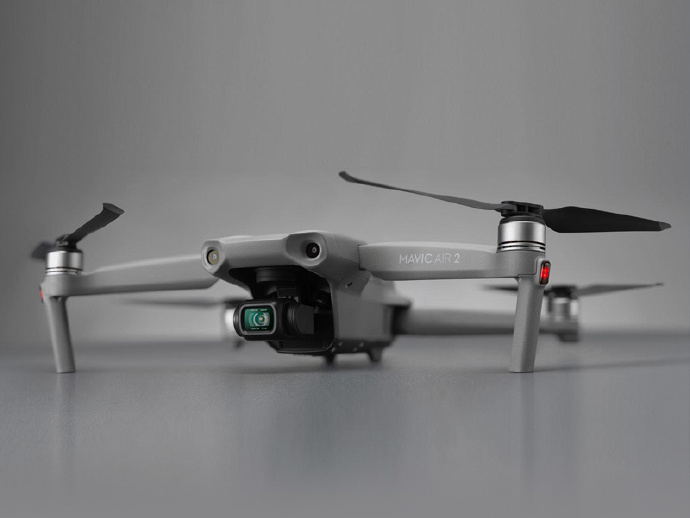 Enhanced imaging capabilities, such as LIDAR, allow drones to penetrate dense foliage or surface coverings, revealing hidden formations beneath the soil. Additionally, infrared technology can detect variations in soil temperature, highlighting potential excavation sites. With these advancements, drones are not merely tools; they have become indispensable allies in the meticulous work of archaeologists worldwide.
“When you fly a drone over the Terracotta Warriors, you connect the ancestral wisdom with contemporary technology,” said an archaeologist involved with the project.
A New Chapter in Historical Exploration
The use of drones in studying the Terracotta Warriors signifies a new chapter in historical exploration that goes beyond traditional archaeology. By enabling faster data acquisition and analysis, drones help conserve these ancient relics for future generations. Moreover, the collected data often leads to fresh insights and discoveries about ancient Chinese civilization. These findings can be shared globally with ease, facilitating a broader understanding and appreciation of this monumental cultural heritage.
Future Prospects
As drone technology continues to evolve, its applications in archaeology expand. Predictive modeling, based on drone-captured data, could become standard practice elsewhere in archaeological research. Besides, artificial intelligence integrated with drone analytics can predict potential archaeological sites, streamlining exploration.
How have drones changed archaeological practices?
Drones provide unparalleled aerial views and advanced imaging techniques, significantly refining site mapping and excavation strategies.
Are there ethical considerations with using drones in archaeology?
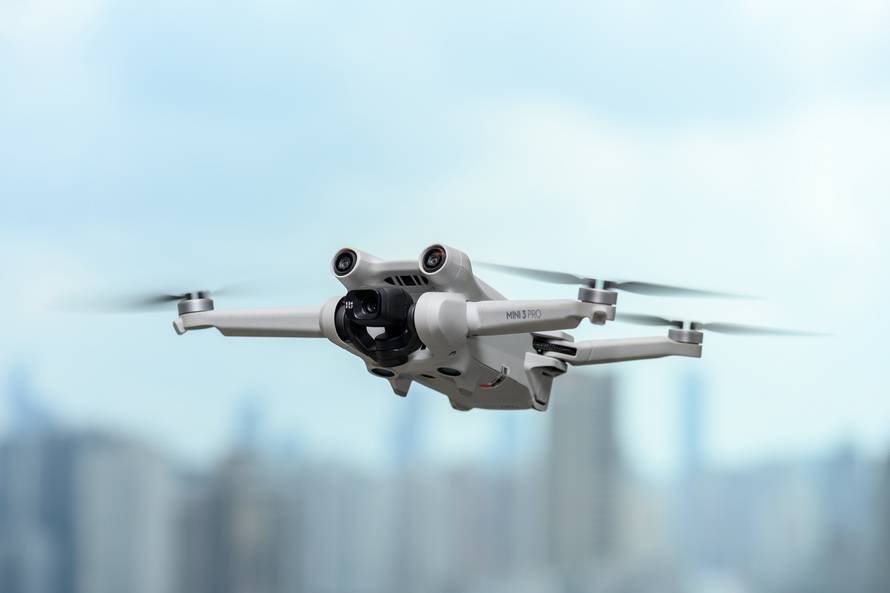 Yes, while drones increase efficiency, operators must ensure that cultural sites are not disturbed or damaged during drone flights.
What is LIDAR technology?
LIDAR uses laser light to map physical environments. In archaeology, it unveils features hidden beneath vegetation or earth.
Overall, while drones enhance our understanding of the Terracotta Warriors, they also reflect a broader narrative about technology’s profound impact on archaeology. The ancient meets modern, unlocking mysteries that linger beneath the surface, while safeguarding them for tomorrow.