
AI Drones: Shaping the Future of Smart Aerial Technology
As we venture deeper into the digital age, ai drones are spearheading a revolution in smart technology, transforming sectors from agriculture to security and beyond. This in-depth exploration uncovers how AI-driven drones are revolutionizing various industries, what makes them different from traditional UAVs, and why their future potential is so compelling.
What Are AI Drones?
AI drones, short for artificial intelligence-powered unmanned aerial vehicles, transcend the basic capabilities of standard drones. Traditional drones require manual piloting or follow simple pre-programmed routes. In contrast, ai drones incorporate advanced machine learning algorithms and computer vision to analyze surroundings in real-time, make autonomous decisions, and perform complex missions with little to no human intervention.
Key Features of AI Drones
- Autonomous Navigation:
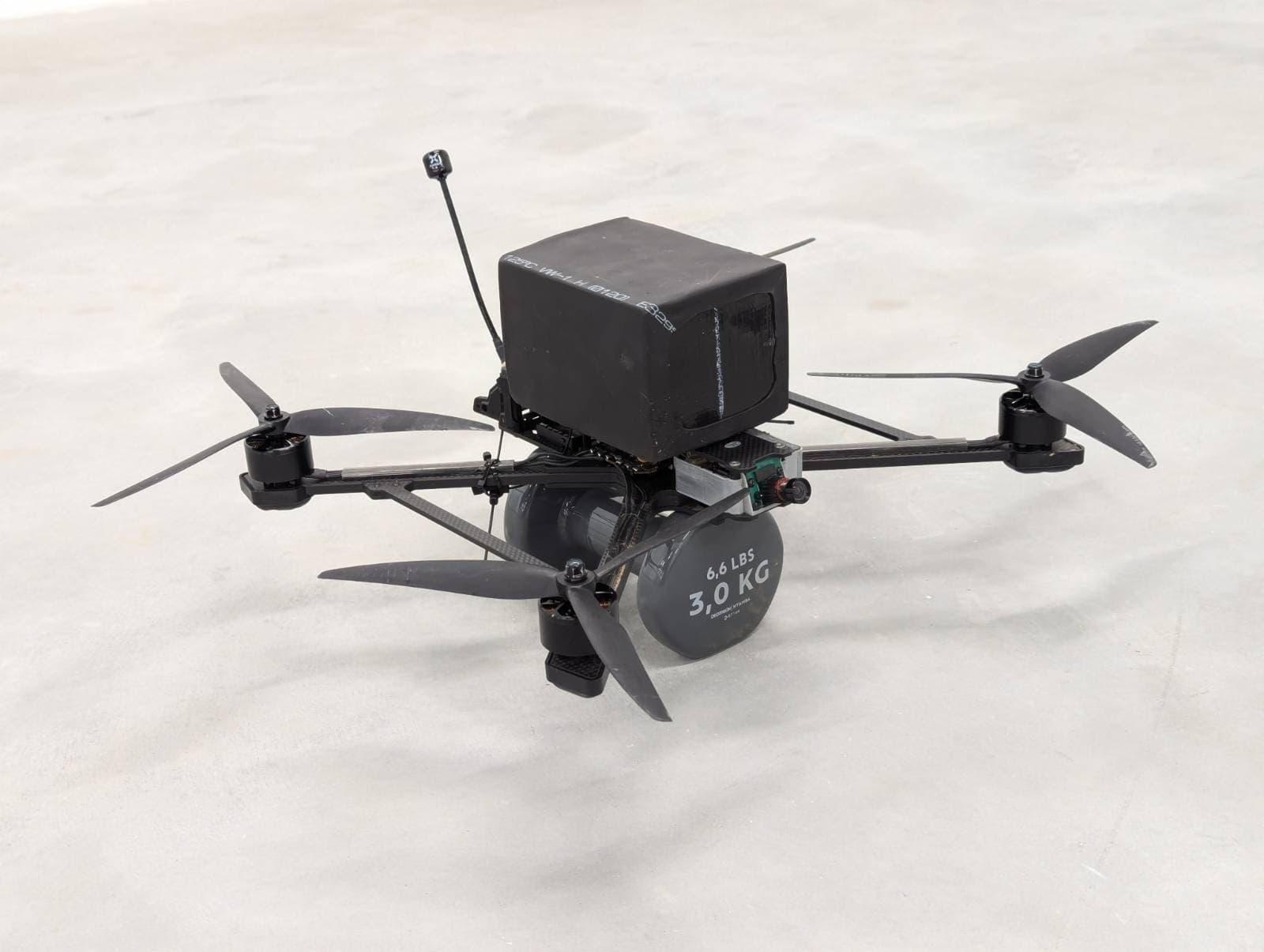 AI drones use onboard sensors, GPS, and AI-powered object recognition to avoid obstacles, map terrains, and optimize their flight paths.
 - Real-Time Data Analysis: They process massive amounts of data on the fly, enabling instant responses to changes in their environment or mission parameters.
- Self-Learning: With deep learning, ai drones adapt to new situations, improving their efficiency and safety over time.
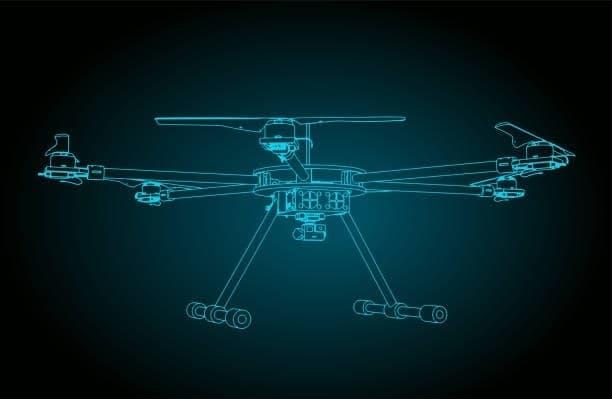
Impact of AI Drones Across Industries
AI drones are not just technological marvels—they are powerful tools impacting a range of industries:
-
Agriculture
Drones with AI-enabled sensors analyze crop health, monitor irrigation, and detect pest infestations. This smart technology helps farmers optimize yield, reduce resource usage, and respond quickly to emerging threats.
-
Public Safety & Surveillance
Law enforcement and emergency response teams deploy ai drones to oversee large gatherings, aid in search-and-rescue, and monitor for potential threats. Their autonomous operation means they can cover rough terrain or dangerous situations unreachable by humans.
-
Logistics & Delivery
Leading logistics companies are experimenting with AI drones to deliver packages swiftly, avoiding traffic and minimizing human contact. Real-time AI navigation assures safe and efficient route optimization.
-
Environmental Conservation
AI-powered drones monitor wildlife, track deforestation, and survey hard-to-reach ecosystems. Their data-driven insights contribute critically to conservation strategies and rapid response to environmental changes.
AI Drones vs Traditional UAVs
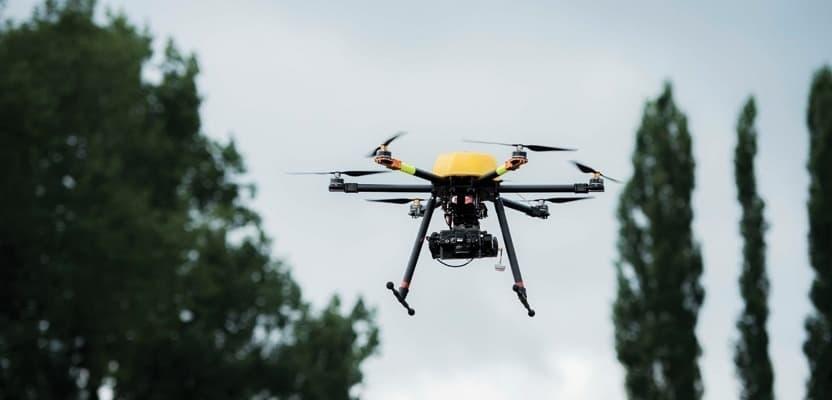
The fundamental difference between ai drones and basic UAVs is intelligence. While UAVs follow linear instructions, ai drones “think” and adapt. Tasks like object detection, facial recognition, autonomous following, and predictive maintenance are only possible because of embedded artificial intelligence. With each flight, data collected by ai drones fuel their self-improving algorithms, making every subsequent mission smarter and more reliable.
The Role of AI in Enhancing Drone Capabilities
Modern ai drones leverage technologies such as computer vision, deep learning, and edge computing. By processing data on-board, drones maintain low latency and real-time responsiveness, which are vital for applications like disaster relief or crowd monitoring. Furthermore, swarm intelligence allows a fleet of drones to coordinate actions, multiplying their effectiveness for tasks like area mapping or coordinated search missions.
Challenges and Considerations
Despite rapid progress, the adoption of ai drones presents challenges. Regulatory frameworks for autonomous flight are evolving, privacy concerns are crucial, and guaranteeing the security of data collected by ai drones is a major priority. Developers continue to refine fail-safe protocols and robust cybersecurity defenses to guard against hacking or unauthorized access.
What’s Next for AI Drones?
Looking ahead, the integration of 5G connectivity and advancements in edge AI chipsets will supercharge the capabilities of ai drones. Anticipate new use cases, such as ultra-precise medical supply drops, automated infrastructure inspection, and real-time 3D mapping of urban areas. With reliable communication channels and increasing AI sophistication, the dream of fully autonomous, self-coordinating smart drone fleets is near.
Why AI Drones Matter in Everyday Life
Beyond industry, ai drones are entering our everyday landscapes—from delivering groceries in cities to monitoring wildfire risks in national parks. Their impact is growing, fostering a smarter, safer, and more connected world. By reducing human risk, providing real-time intelligence, and automating time-consuming tasks, ai drones epitomize the synergy between artificial intelligence and robotics.
Future Prospects and Conclusion
AI drones are not only advancing technology but reshaping how we interact with the world. As adoption soars and innovation accelerates, expect these smart aerial systems to become indispensable across sectors. For enthusiasts, professionals, and businesses alike, staying updated on ai drones marks an investment in the future of intelligent, automated solutions.
Frequently Asked Questions
- How do AI drones differ from traditional drones?
- AI drones utilize advanced algorithms and sensory data to make autonomous decisions, navigate complex scenarios, and execute multifaceted tasks—capabilities far beyond standard drones.
- Are AI drones safe to use in populated areas?
- Modern ai drones are equipped with adaptive obstacle avoidance, geo-fencing, and fail-safe features. However, regulations and operator responsibility play significant roles in ensuring safety in populated areas.
- What is the future outlook for ai drones?
- With continuous advancements in AI and communication networks, ai drones are expected to see mainstream adoption across new industries, more robust regulatory frameworks, and even greater intelligence and autonomy.