
The Emerging Influence of Unidentified Drones in Modern Surveillance and Security
In recent years, the appearance and proliferation of unidentified drones have reshaped the entire landscape of surveillance and security worldwide. From overhead city patrols to remote border monitoring, these mysterious flying objects have drawn attention not only for their advanced capabilities but also for the challenges they pose. In this comprehensive overview, we will dive into how unidentified drones are influencing security technologies, privacy regulations, and tactical responses.
What Are Unidentified Drones?
Unidentified drones refer to unmanned aerial vehicles (UAVs) that fly without identification, authorization, or explicit registration in controlled airspaces. Unlike commercial drones used for delivery or photography, these UAVs operate covertly, making them difficult to monitor or regulate. Their presence concerns governments, corporate entities, and even private citizens since their purpose and origin are often unknown.
Key Impacts of Unidentified Drones on Surveillance Systems
- Enhanced Monitoring Capabilities: These UAVs can quickly gather information and transmit real-time data, evading conventional surveillance and radar systems.
- Obscure Data Collection:
 Because they operate without identification, it’s challenging to determine what kind of information they are collecting — potentially including sensitive video feeds, audio, or other confidential intelligence.
 - Security Vulnerabilities:
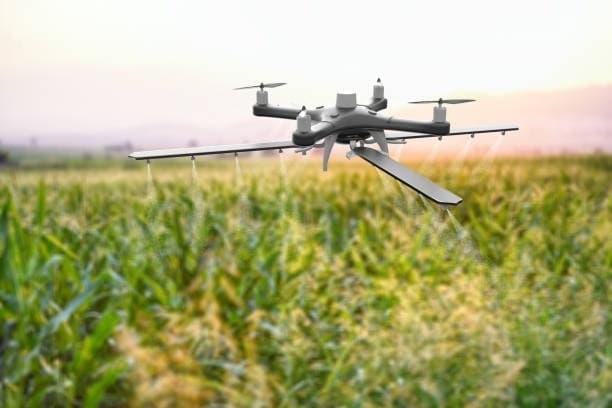 The unpredictability of unidentified drones introduces new weaknesses in existing security frameworks, creating fresh opportunities for espionage or sabotage.
Technological Countermeasures to Unidentified Drones
To address the rise of unidentified drones, security professionals are developing sophisticated countermeasures, including:
- Drone Detection Systems: Advanced radar and RF (radio frequency) tracking can spot and identify UAVs in the sky, even when they attempt to mask their digital signatures.
- Jamming and Signal Interruption: Specialized devices can disrupt the communication signals between a drone and its operator, effectively grounding unauthorized UAVs before they approach sensitive areas.
- Geo-fencing Technologies: These virtual boundaries prevent drones from entering or flying over restricted zones, providing an added layer of automated defense.
Ethical and Legal Debates Surrounding Unidentified Drones
The surge in unidentified drone sightings has fueled ethical questions regarding privacy, personal liberty, and the scope of remote surveillance. Many countries are racing to enact new airspace regulations, demanding UAV registration, mandatory transponders, and stricter enforcement. Yet, technical advancements often outpace legal frameworks, resulting in regulatory gray zones where unidentified drones can operate with relative impunity.
Unidentified Drones and Urban Security Threats
Large metropolitan areas have witnessed a marked increase in incidents involving unidentified drones. Their ability to bypass traditional barriers has led to reports of unauthorized flyovers at airports, critical infrastructure, and public events. These episodes illustrate the urgent need for robust defenses against the unknown capabilities of rogue UAVs, expanding public safety efforts beyond ground-based concerns.
The Role of Artificial Intelligence in Drone Surveillance
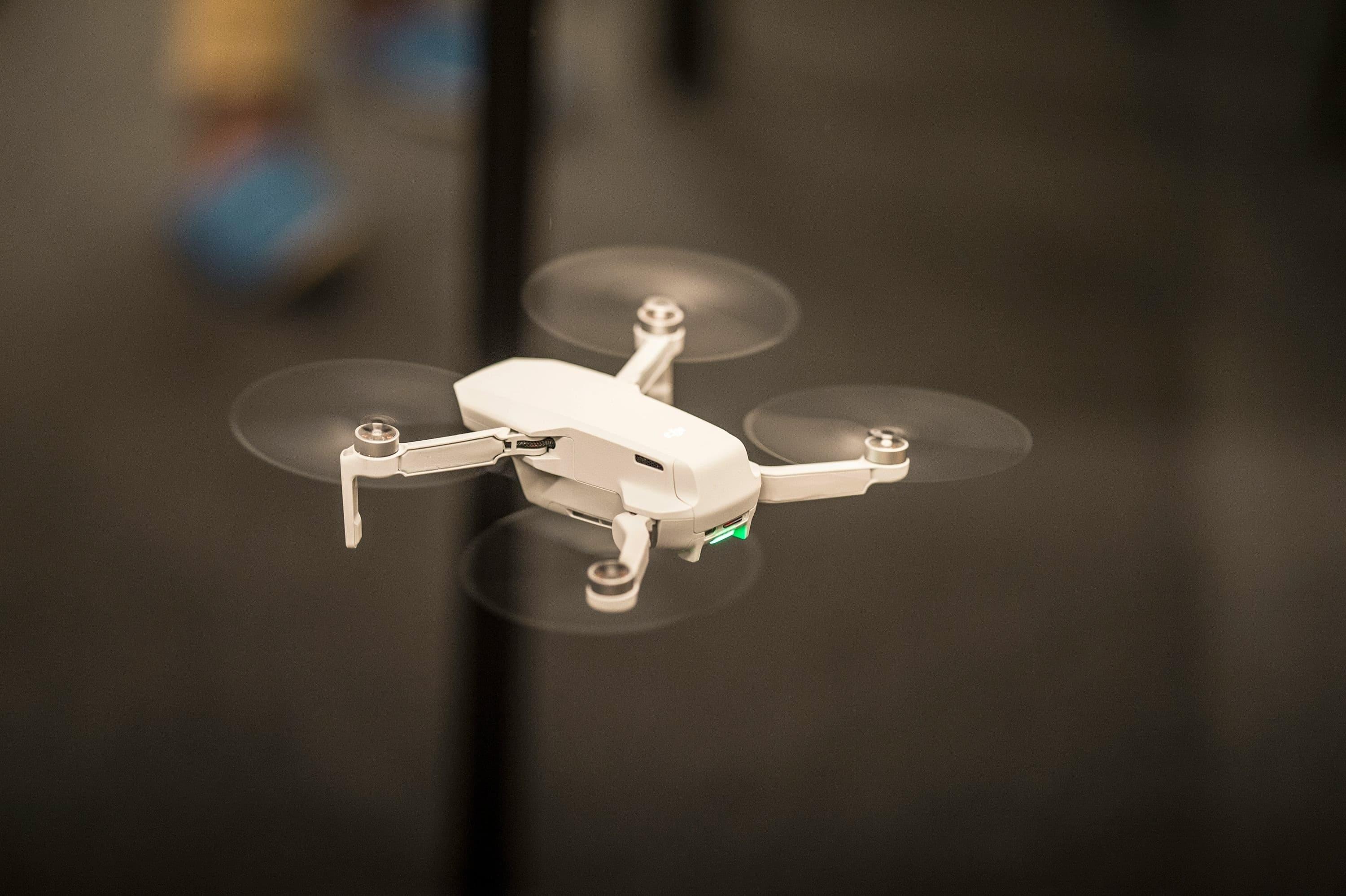
Modern automated systems are now incorporating artificial intelligence to track, classify, and sometimes predict unidentified drone behavior. Machine learning algorithms, trained on a vast amount of flight data, help security teams distinguish between harmless hobbyists and potential threats. This AI-driven approach enables faster, more accurate responses and strengthens perimeter protection against emerging aerial risks.
Unidentified Drones in Military and Industrial Contexts
For the military, unidentified drones represent both a strategic advantage and a formidable threat. They provide new reconnaissance opportunities, yet their undetected movements could result in confidential breaches. Likewise, industrial sites like refineries or research labs face fresh espionage challenges, as high-resolution sensors on UAVs can capture proprietary data or map out facility layouts in unprecedented detail.
How the Public Should Respond to Unidentified Drones
Civilians observing unidentified drones are encouraged to report incidents to local authorities while avoiding direct engagement. Enhanced public awareness campaigns inform communities about recognizing unusual drone activity and the importance of safeguarding digital and physical assets from unauthorized aerial surveillance.
Future Trends: The Next Generation of UAV Surveillance
Looking forward, new iterations of surveillance technology will likely be equipped with even more advanced counter-drone systems, integrating biometric recognition, swarm intelligence, and autonomous interception. As unidentified drones continue to evolve, so too will the technology designed to neutralize unauthorized flights and uphold security standards in rapidly changing environments.