
DJI Drone Ban Update: Implications for UAV Enthusiasts
In recent months, discussions around the “dji drone ban update” have intensified, creating uncertainty for drone pilots, hobbyists, and professional UAV users. DJI, as a global leader in drone manufacturing, is frequently in the spotlight due to concerns about regulatory restrictions, security issues, and export limitations. Understanding the latest developments in these bans is crucial for anyone invested in unmanned aerial vehicles.
Current Status of the DJI Drone Ban
As of 2024, several countries and regions have updated their stances on DJI drones. The United States, European Union, Australia, and India have all conducted reviews regarding the use of DJI products, citing security and data privacy as key concerns. The U.S. government has proposed legislation that may restrict federal or commercial usage of DJI drones, especially in sensitive sectors such as law enforcement and infrastructure monitoring. However, these updates are not absolute bans but rather enhanced regulations, targeted procurement limitations, and increased scrutiny over drone activities. UAV enthusiasts should keep close watch on the latest dji drone ban update to avoid legal complications and ensure compliance.
Security and Privacy Aspects
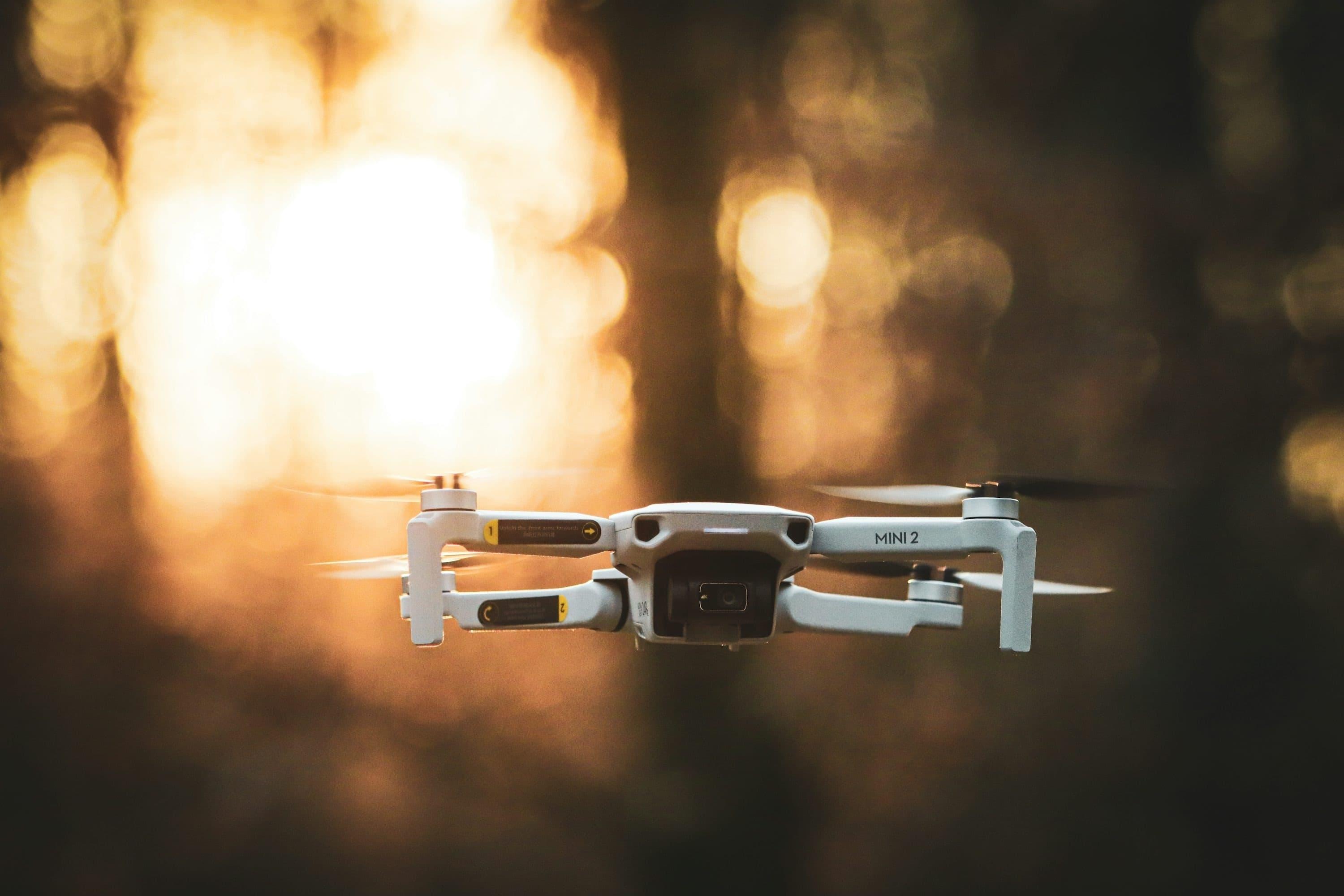
Data security has become a central topic for regulatory bodies across the globe. DJI drones are widely used, but concerns persist that data captured by drones can be accessed by foreign entities. This has led to recommendations for organizations handling critical infrastructure or sensitive projects to utilize drones from manufacturers with locally hosted data services or open-source systems. Intentions behind the dji drone ban latest update stem from ensuring national security, protecting user data, and reducing reliance on single-brand technology ecosystems.
Impact on UAV Enthusiasts and Professionals
- Accessibility: If bans or restrictions tighten, individual UAV enthusiasts might face limited access to DJI software updates, spare parts, or even firmware functionalities. This could affect the overall user experience and operational efficiency.
- Market Alternatives: A significant outcome of the ongoing ban discussions is the rise of alternative UAV brands, such as Parrot and Autel Robotics. This diversification offers new features but may come with a learning curve for DJI users.
- Community Concerns: Forums such as DJI Forum and social media groups are abuzz with speculation and shared experiences. []
How to Stay Compliant

- Stay updated on the latest “dji drone ban update” through official government releases and trusted news outlets.
- Register your drone as per local regulations and ensure you have necessary permits, especially if flying in restricted zones.
- Avoid using drones for purposes explicitly mentioned in ban or restriction notices – such as surveilling government buildings.
- Consider alternative drone options if future bans make DJI products unavailable or unsupported in your country.
Future Prospects for DJI Drones
Despite international pressure, DJI continues to innovate and comply with changing regulatory landscapes. The company regularly updates its technology to strengthen data encryption, offer customizable privacy settings, and collaborate with partners to address security concerns. While the “dji drone ban update” typically generates anxiety among users, it also pushes manufacturers to raise the standards of UAV safety and reliability globally.
Why Are DJI Drones Targeted?
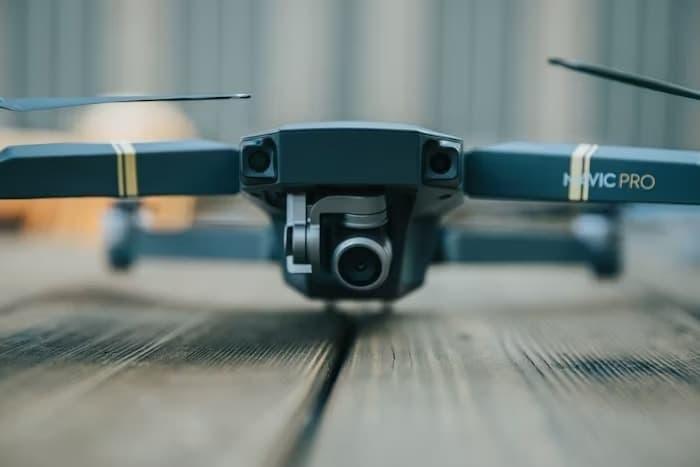
The core reasons for targeting DJI in global regulatory updates are strategic and technical. As DJI commands a dominant share of the consumer drone market, governments often scrutinize its products more than smaller competitors. Issues encompass potential espionage risks, critical infrastructure vulnerabilities, and the broader debate about tech dependency on foreign entities. Many updates emphasize risk mitigation rather than condemnation of DJI as a company, suggesting that the situation is less about blanket bans and more about critical reviews and evolving requirements.
What Does This Mean for Hobbyists?
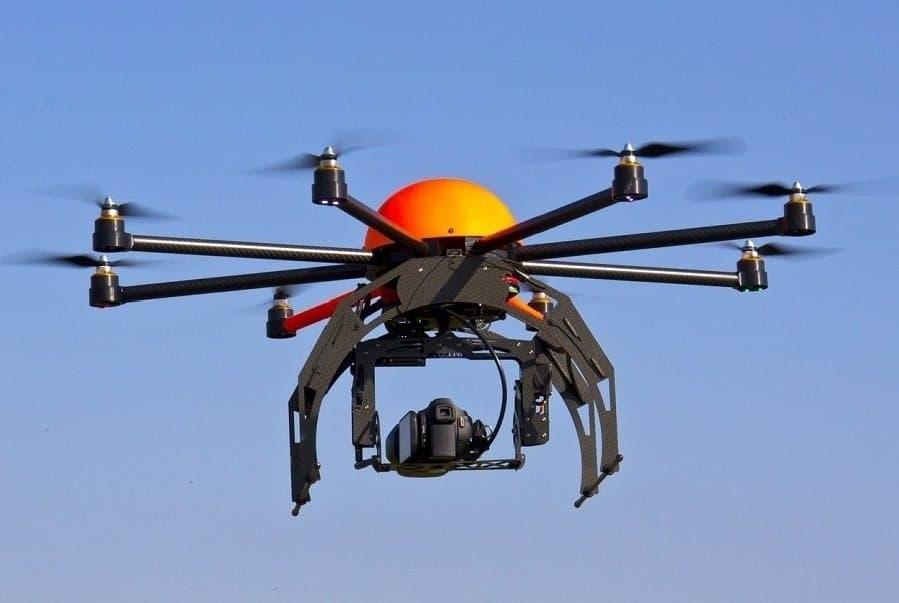
If you’re an amateur UAV pilot, you may not feel the effects immediately. Most bans target institutional buyers and government use cases. Private recreational flying faces fewer immediate restrictions, though rules around registration, altitude, and location remain enforced. The most notable shift is the uncertainty regarding future product support and after-sales service for affected regions, making it prudent for drone hobbyists to follow DJI’s statements on compliance and development carefully.
The Influence on Industry Professionals
Commercial drone pilots and enterprise users must pay closer attention to the “dji drone ban update.” With many government projects requiring drones beyond the consumer grade, the ability to source, maintain, and upgrade fleets becomes part of competitive advantage. Legal teams in organizations increasingly include UAV operations in compliance checks, and insurance providers may require explicit declarations regarding the type of drone used, particularly for insured activities in construction, agriculture, and energy sectors.
Global Perspective and Local Adaptation
While major bans and updates often emerge from large markets, local drone laws evolve constantly. For example, some EU countries have opted for certification systems that allow DJI drones through rigorous data protection audits, while others restrict imports until local alternatives are procured. Australia and India have likewise issued periodic advisories. Monitoring these updates is crucial for UAV enthusiasts who travel or operate internationally.
Insights for the Next 12 Months
Amidst regulatory uncertainty, the next 12 months could be pivotal for drone pilots, especially those loyal to the DJI ecosystem. Many anticipate further clarifications on what constitutes a “ban,” whether outright prohibition or new registration requirements. The drone community expects a nuanced response, with interactive webinars, public feedback consultations, and adjustments as the market evolves.
- Check for firmware updates that address local legal requirements.
- Regularly consult UAV forums for firsthand user experiences.
- Explore hybrid systems that integrate multiple drone brands to circumvent restrictions.
Frequently Asked Questions
- Q1: Are all DJI drones banned in the United States?
- No, current updates restrict federal procurement and certain commercial uses. Most consumer operations remain unaffected, but the situation continues to evolve as regulatory discussions advance.
- Q2: Will I still receive support for my DJI drone?
- Support for existing drones is expected to continue unless a total ban is enacted. Always check DJI’s official website for the latest announcements regarding software or hardware support in your region.
- Q3: What alternatives exist if the ban extends?
- Brands like Autel Robotics, Parrot, and Skydio offer both consumer and enterprise UAVs. They are increasingly stepping up to fill the gaps, offering competitive features and localized solutions.