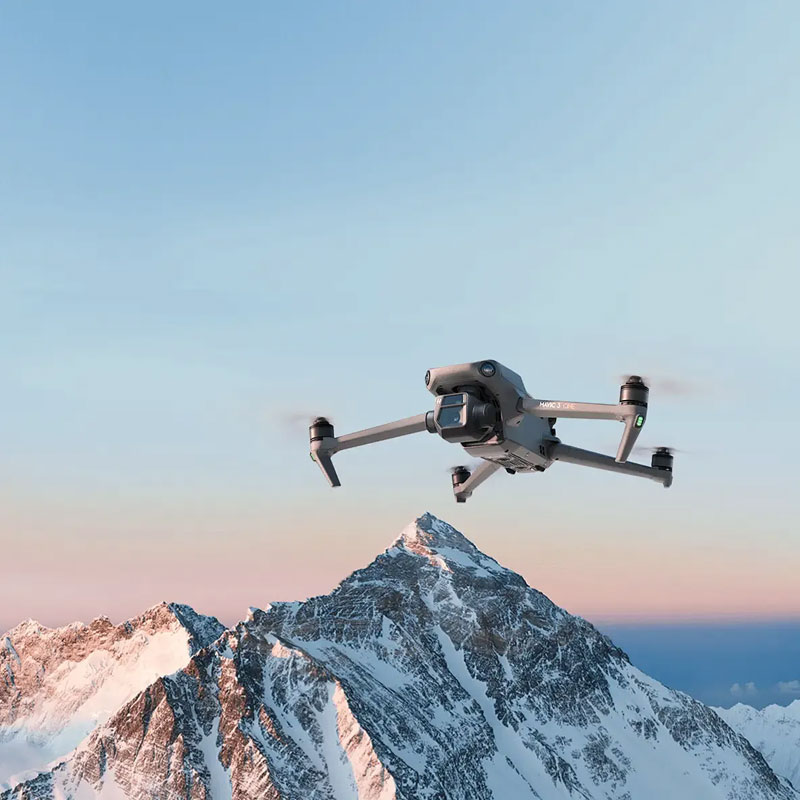
Enhancing Safety Standards Through Drone Inspection
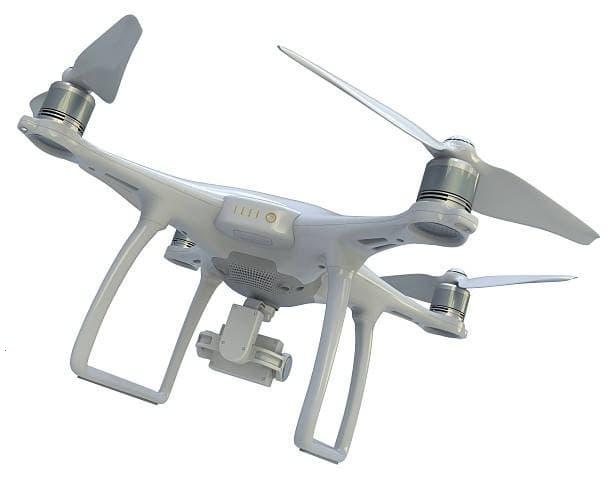
Traditionally, infrastructure inspections required workers to access hazardous environments, including tall structures, confined spaces, and unstable surfaces. Implementing drone inspection dramatically reduces the need for such risky physical intervention. Drones can swiftly and safely navigate challenging areas, capturing high-resolution images and real-time video feeds without jeopardizing operator welfare. This shift drastically lowers accident rates and enhances compliance with occupational safety regulations.
Improving Cost Efficiency for Infrastructure Owners
Manual inspections are routinely labor-intensive, slow, and costly. Drone inspection introduces significant savings by streamlining the process. Drones minimize downtime by conducting rapid surveys—sometimes in mere minutes compared to several hours required for manual checks. Their automated flight capabilities mean fewer personnel and resources are needed onsite, allowing for reallocation of budgets to other crucial operational areas.
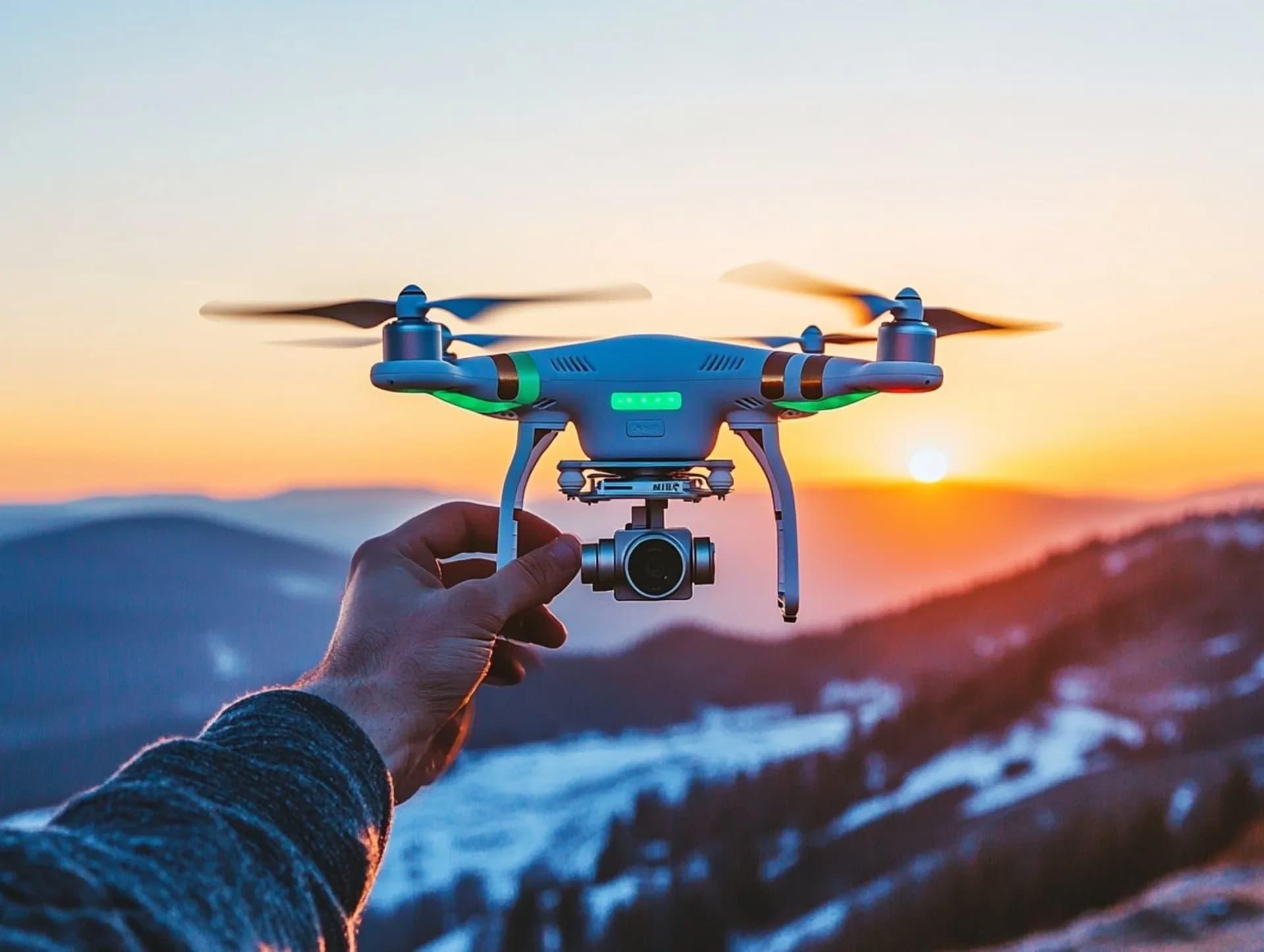
Large-scale assets such as bridges, wind turbines, pipelines, and transmission towers often pose logistical challenges for traditional inspection approaches. Drone inspection excels in these environments, reaching remote or precarious sites with ease. Equipped with advanced navigation and obstacle-avoidance algorithms, drones deliver reliable coverage over rugged terrain, tall infrastructure, and enclosed facilities, ensuring comprehensive assessments without intricate rigging or scaffolding.
- Precision mapping of bridges and viaducts
- Inspection of telecommunications towers in rural settings
- Pipeline integrity analysis in desert or mountain regions
- Wind turbine blade condition monitoring
Delivering High-Quality Data and Analytics
Drone inspection is synonymous with unparalleled image quality and data richness. Outfitted with advanced sensors such as lidar, thermal imaging, multispectral cameras, and GPS modules, drones collect vast quantities of actionable data. Integration with AI-powered analytics platforms enables infrastructure managers to gain meaningful insights, spot defects, and forecast future maintenance needs. High-resolution 3D modeling and digital twins, generated from drone surveys, significantly enhance planning and asset lifecycle management.
Faster Decision Making and Response Times
Speed is critical when responding to infrastructure emergencies—whether following natural disasters, structural failures, or unexpected outages. Drone inspection facilitates rapid assessment, transmitting real-time data to decision-makers. Maintenance teams can remotely analyze the situation, prioritize repairs, and deploy resources where needed most, accelerating response times and boosting overall resilience. This agile, data-driven method enables infrastructure operators to restore service with minimal disruption.

Reducing Environmental Impact With Drone Inspection
Drone inspection supports environmental stewardship by eliminating the need for heavy machinery, reducing carbon emissions, and minimizing ground disturbance. Automated aerial surveys allow for low-impact asset monitoring, especially in sensitive areas such as conservation lands, wetlands, and protected habitats. By using drones, organizations contribute to more sustainable infrastructure practices and maintain compliance with evolving environmental regulations.
Maintaining accurate inspection records is crucial for regulatory compliance and asset warranty validity. Drone inspection automatically generates comprehensive visual and data logs, offering timestamped proof of asset condition. These digital records streamline reporting, simplify audits, and ensure organizations meet stringent industry standards—whether for government agencies, insurance providers, or internal quality control.
Scalability and Versatility in Maintenance Operations
Drone inspection platforms are highly scalable, suitable for portfolios containing dozens to thousands of assets. Drones can be programmed to conduct scheduled surveys or on-demand spot checks, making them ideal for both routine maintenance and urgent investigations. As drone technology evolves, new payloads, autonomous flight routines, and AI integration further expand their utility, enabling faster adaptation to emerging infrastructure challenges.
Integrating Drone Inspection Into Digital Workflows
Connectivity and interoperability are at the heart of modern infrastructure management. Drone inspection solutions seamlessly integrate with cloud-based asset management platforms, geographic information systems (GIS), and ERP tools. The result is a fully digitalized workflow, where inspection data triggers automated work orders, historical trend analyses, and predictive maintenance models—ultimately elevating the operational efficiency of infrastructure managers.
- Automatic anomaly detection for remote sites
- Real-time video streaming for collaborative inspections
- Instant sharing of inspection reports across departments
Drones are redefining the infrastructure maintenance landscape, constantly evolving to incorporate AI-powered damage classification, autonomous swarm inspections, and advanced edge processing. The future holds the potential for fully automated infrastructure monitoring, with drones acting as intelligent sentinels and service robots that report, diagnose, and even deliver repair payloads.
Frequently Asked Questions About Drone Inspection
- How does drone inspection improve safety compared to traditional methods?
- Drone inspection eliminates the need for human workers in dangerous environments, drastically reducing exposure to falls, collisions, and hazardous substances while delivering thorough results from a safe distance.
- Can drone inspection be used in all weather conditions?
- Most drones are designed to operate in varying conditions, but extreme weather—such as heavy rain, snow, or strong winds—may restrict flight capabilities. Always consult device specs and safety protocols before deployment.
- What types of infrastructure benefit most from drone inspection?
- Diverse assets including bridges, transmission towers, solar farms, pipelines, and wind farms are prime candidates, but any facility requiring visual assessment or remote monitoring can experience significant improvements from drone inspection.