
Unlocking the Power of a Drone with Thermal Camera: Essential Advantages for Professional Aerial Inspections
With remarkable technological advancements, the use of a drone with thermal camera has dramatically transformed how aerial inspections are conducted across various industries. Professionals from energy utilities, construction, public safety, and agriculture sectors increasingly depend on these high-tech aerial tools to enhance operational efficiency, data accuracy, and on-site safety.
So, what makes a drone with thermal camera such an indispensable asset for modern inspections? Let us explore the core benefits and reasons behind their swift adoption.
1. Enhanced Detection Capabilities
Thermal imaging enables users to visualize details that are invisible to the naked eye or standard cameras. By capturing infrared radiation emitted by objects, a drone with thermal camera can detect heat patterns, temperature anomalies, and insulation defects with pinpoint accuracy. This feature proves tremendously valuable for detecting electrical faults, overheated equipment, water leaks, and heat loss in buildings, empowering professionals to act before problems escalate.
2. Comprehensive and Efficient Data Collection
One of the most compelling advantages of using a drone with thermal camera lies in its ability to rapidly cover large areas. Traditional inspection methods often require significant manual labor, scaffolding, or even dangerous rope access. In contrast, drones with thermal sensors streamline the process by collecting comprehensive visual and thermal data in a fraction of the time, reducing inspection project durations and associated costs.
3. Enhanced Worker Safety
Deploying a drone with thermal camera dramatically reduces the need for inspectors to physically access hazardous or hard-to-reach locations. Electricity substations, chemical plants, tall structures, and damaged buildings can all be inspected from a safe distance. Removing the human factor in dangerous environments lessens the risk of workplace accidents.
4. Accurate Preventive Maintenance
Thermal drones are invaluable for planned preventive maintenance. For instance, electrical utilities routinely use drone with thermal camera technology to identify aging or malfunctioning assets—such as transformers and power lines—by spotting abnormal heat signatures. This proactive approach helps reduce equipment failures and prevents costly downtime or catastrophic failures.
5. Versatility Across Multiple Industries
The applications extend well beyond infrastructure inspection. A drone with thermal camera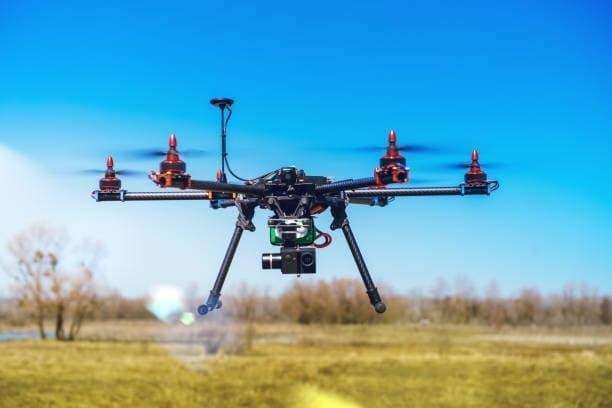 finds use in agriculture (crop health analysis), firefighting (locating hotspots), solar farm management (panel malfunction detection), wildlife monitoring, security surveillance, and even search and rescue missions. The versatility of these drones makes them a go-to tool for any professional demanding enhanced visual insights.
6. Real-Time Analysis and Reporting
Modern drones equipped with thermal cameras offer real-time video transmission and analysis. Teams can view thermal imagery live or immediately after the flight, facilitating instant decision-making. Many systems integrate with sophisticated analytics software, enabling automated report generation, quick sharing, and long-term data archiving—all boosting the inspection workflow’s efficiency.
7. Cost-Effectiveness
Although initially investing in a drone with thermal camera may seem substantial, the reduction in manpower, time savings, and minimized risks swiftly offset the costs. Over time, businesses benefit from improved return-on-investment thanks to timely maintenance, fewer accidents, and enhanced asset management.
- Power Grid and Utility Inspections: Drones shorten routine and emergency checks of towers, transformers, and transmission lines.
- Building Envelope Analysis: Detect energy inefficiencies and insulation issues promptly.
- Firefighting: Locate fire sources through thick smoke and pinpoint survivors using thermal contrasts.
- Solar Farm Management: Swiftly identify defective photovoltaic panels, ensuring optimal energy output.
Choosing the Best Drone with Thermal Camera
Not all thermal drones are created equal. When selecting a suitable model, inspect the thermal sensor’s resolution, flight time, camera integration versatility, and software compatibility. Leading models from widely respected brands offer high-definition radiometric imagery, allowing users to measure precise temperature gradients directly from captured videos or stills.
Integrating specialized drones with thermal cameras into your inspection workflow delivers unprecedented operational value, whether you need to safeguard critical assets, improve safety, or meet regulatory standards.
Key Features to Look For
- Radiometric Thermal Cameras: Capture detailed temperature data for in-depth post-flight analysis.
- High Flight Stability: Ensures sharp thermal images even in windy conditions.
- Dual-Channel Video Streaming: Simultaneously capture standard and thermal imagery.
- Automated Flight Paths: Consistent, repeatable surveys for long-term monitoring.
Future of Thermal Drone Inspections
As artificial intelligence and smarter sensors are integrated, the accuracy and speed of inspections using drones with thermal cameras will only improve. With evolving regulations, we can expect wider adoption across more economic sectors, empowered by drones’ ability to provide actionable insights faster and more safely than ever before.
Conclusion
Embracing a drone with thermal camera fundamentally redefines how inspections are conducted, delivering superior results in safety, accuracy, and cost-efficiency. Whether you’re a facility manager, a utility technician, or an emergency responder, upgrading to this innovative technology will drive tangible value and provide a competitive edge.
Frequently Asked Questions (FAQ)
- Q1: How accurate is a drone with thermal camera in detecting faults?
- A: Modern drones with professional-grade thermal sensors can accurately detect temperature differences as small as 0.05°C, allowing for precise identification of issues invisible to standard cameras.
- Q2: Can thermal drones operate in low-light or nighttime conditions?
- A: Yes, a drone with thermal camera is ideal for low-light environments, as thermal imaging relies on heat instead of visible light. This makes them valuable for search and rescue, surveillance, and firefighting during night operations.
- Q3: What are the main maintenance requirements for a drone with thermal camera?
- A: Regular maintenance includes checking for physical damage, calibrating the thermal sensor, coordinating firmware/software updates, and ensuring batteries are in optimal state to maintain flight safety and data reliability.