
What Is Drone Aircraft? Understanding UAV Technology, Purposes, and Advantages
Key Technology Behind Drone Aircraft
Drone aircraft utilize advanced systems such as GPS navigation, gyroscopic stabilizers, high-resolution cameras, sensors, and communication modules to execute missions with accuracy and safety. Whether soldiers are surveying a landscape, farmers are assessing crop health, or filmmakers are capturing breathtaking aerial shots, UAVs depend on cutting-edge electronics for precision. A crucial aspect of what is drone aircraft involves understanding how their autonomy—powered by artificial intelligence and real-time data processing—boosts operational success.
- Multirotor and fixed-wing are the most common UAV types.
- Most drones feature rechargeable batteries, efficient motors, and lightweight frames.
- Machine learning algorithms enable obstacle avoidance and optimized route planning.
Applications: The Expanding Role of Drone Aircraft
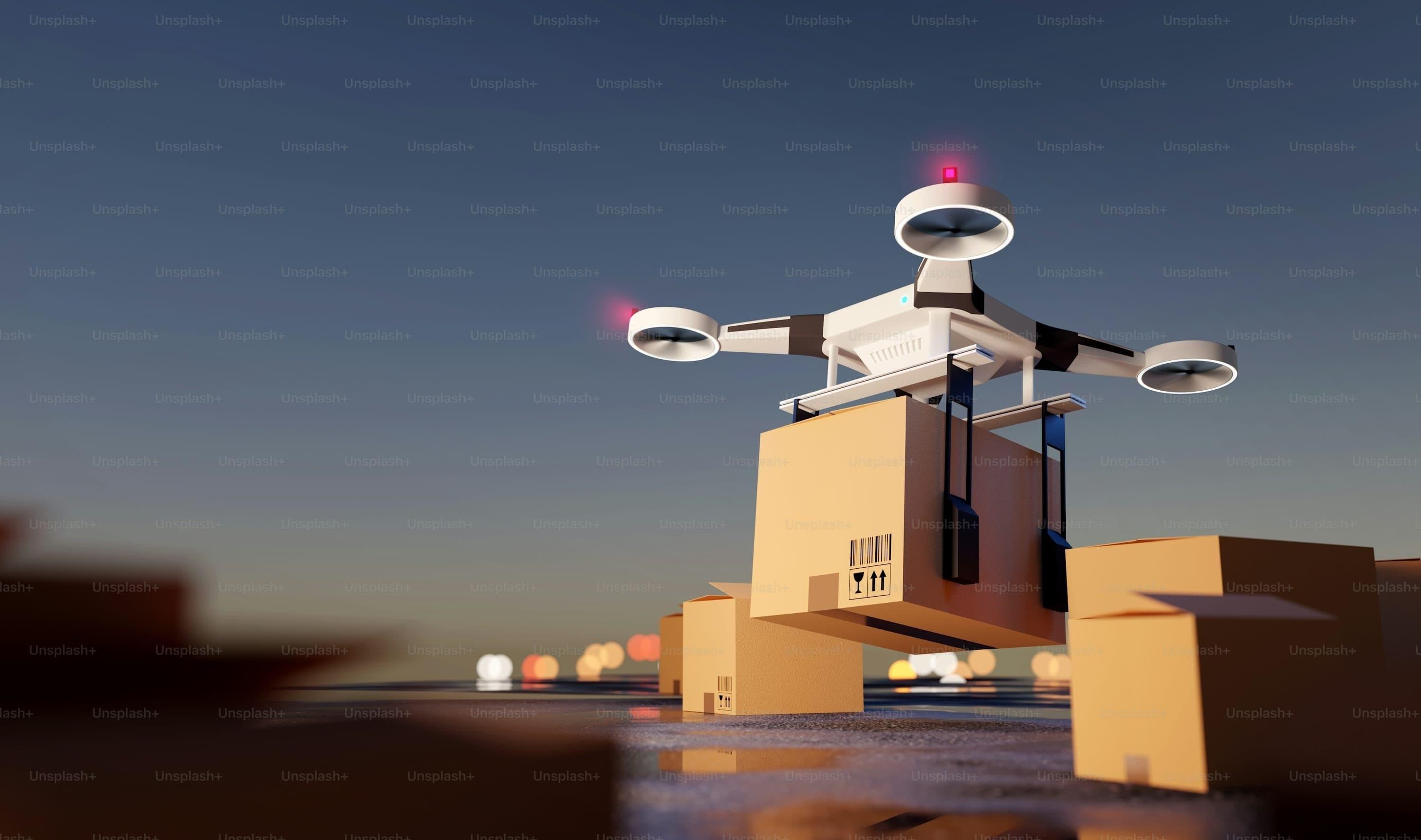
Learning what is drone aircraft also entails exploring the myriad roles these devices serve. In the commercial domain, package delivery services, inspection of critical infrastructure, precision agriculture, and surveying have transformed due to drones’ capability to access hard-to-reach locations. Emergency responders leverage UAVs for search and rescue operations, delivering essential supplies, and real-time disaster assessment. In the creative sector, drones revolutionize aerial photography, cinematography, and live event streaming—enabling content creation from unique angles.
Moreover, drone aircraft play vital roles in:
- Environmental monitoring: tracking wildlife, analyzing environmental changes, and observing pollution levels
- Law enforcement: surveillance operations, crowd control, and accident reconstruction
- Scientific research: atmosphere sampling and geospatial mapping
Benefits of Adopting Drone Technology
The wide adoption of UAVs stems from the powerful benefits they offer. Chief among these are increased safety, cost-effectiveness, efficiency, and accessibility. By eliminating direct human presence in dangerous scenarios—such as disaster zones, conflict areas, and high-altitude surveys—drone aircraft minimize risk. Businesses and governments realize significant cost savings by automating repetitive or hazardous tasks previously requiring expensive machinery or personnel. In fields like agriculture and logistics, UAVs dramatically speed up routine procedures, conserve time, and reduce human effort.
- Access to remote areas: Drones reach locations previously inaccessible or unsafe for people.
- Enhanced data accuracy
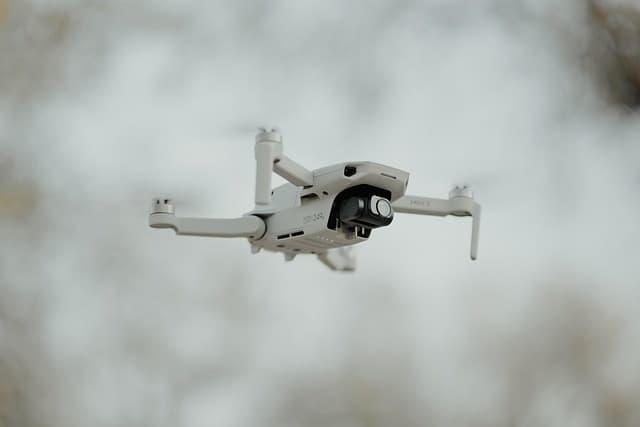 : UAVs equipped with sensors and imaging devices produce high-fidelity data for decision-making.
 - Reduced environmental impact: Drones can perform targeted spraying or sampling, minimizing resource wastage.
Types of Drone Aircraft: From Hobby to Industry
The range of drone aircraft spans from compact consumer quadcopters used for recreation, up to large-scale industrial platforms for professional operations. Recreational drones or hobbyist models are often lightweight, easy to fly, and equipped with basic cameras. Specialized commercial and military UAVs may have extended flight times, heavy payload capacities, robust communication systems, and sophisticated autonomy. Fixed-wing drones are optimal for long-range, energy-efficient flights, whereas multirotor UAVs excel at maneuverability and hovering for close-up observations.
How Are Drones Controlled?
Drones can be flown using hand-held remote controllers, smartphones, or even pre-programmed software for autonomous flight. Communication relies on radio signals, GPS waypoints, or in some cases advanced networks such as 5G. This enables precise control and reliable real-time transmissions for tasks where accuracy is essential, further showcasing how vital understanding what is drone aircraft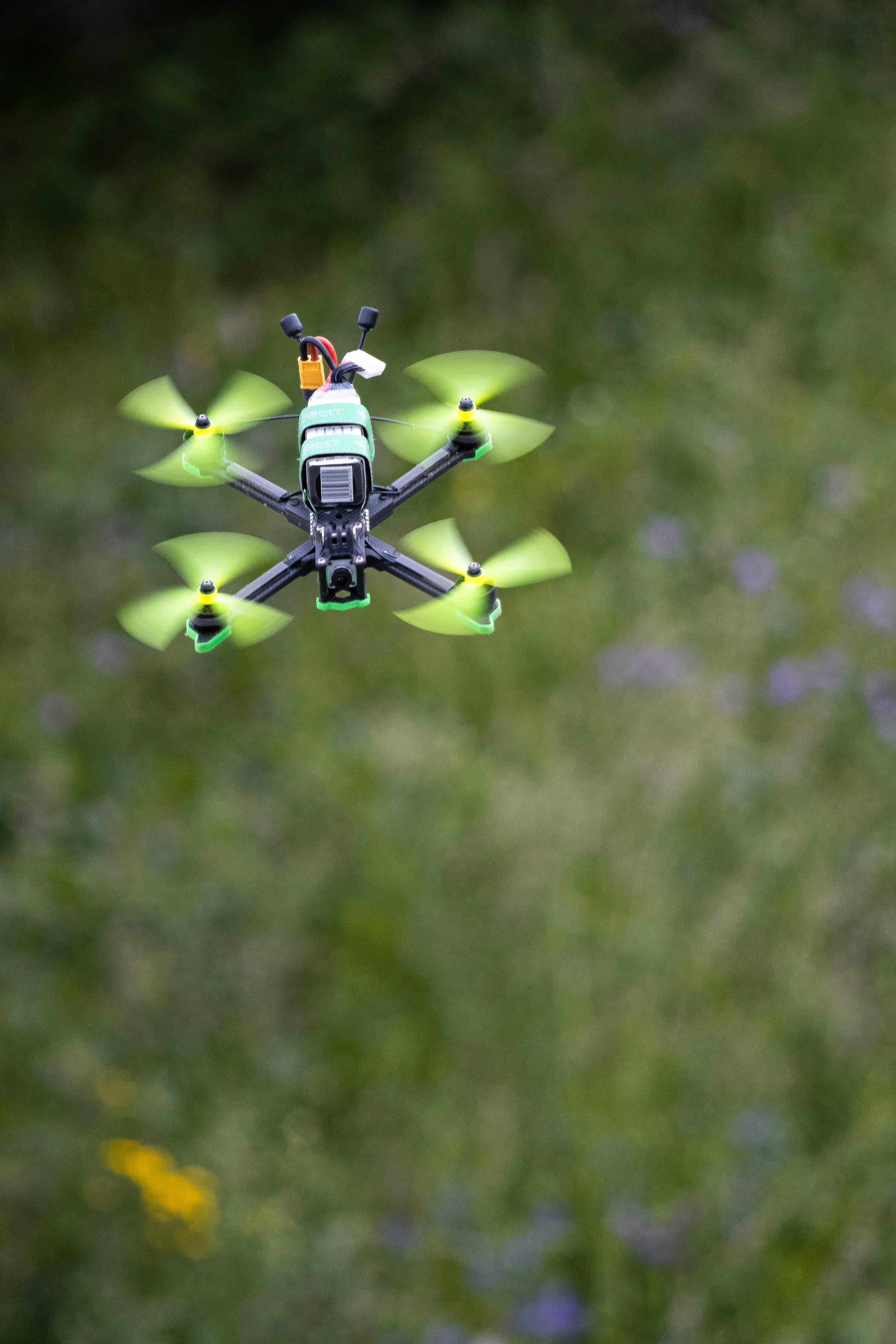 truly is in today’s tech-driven world.
Sustainability and Environmental Impact of UAVs
As eco-friendly alternatives, drone aircraft often use electric power rather than fossil fuels. Many conservation organizations now rely on drones for low-impact monitoring of wildlife and sensitive habitats. Reduced noise, emission-free operation, and minimal disturbance to ecosystems are distinct ecological benefits associated with drone adoption.
Challenges and Evolving Regulations
Despite rapid progress, UAV technology faces challenges: airspace integration, potentially intrusive surveillance, privacy concerns, and the need for robust cybersecurity solutions. Worldwide, aviation authorities continue to adapt policies to balance innovation with safety. Understanding local laws and drone registration requirements is imperative for responsible operation.
Looking Ahead: The Future of Drone Aircraft
With advancing artificial intelligence and battery technologies, the future of drone aircraft includes longer autonomous flights, smarter data analytics, and larger-scale uses, including passenger drones and drone taxis. Industries such as healthcare, construction, and entertainment are poised to unlock even more value from UAVs, shaping the future of how people and businesses interact with the aerial dimension.
Frequently Asked Questions about Drone Aircraft
- Q1. Can anyone fly a drone aircraft?
- A: Drone operation rules vary by country. Hobbyists usually need to follow airspace regulations. Commercial activities often require special certification or drone pilot licenses.
- Q2. How far can drone aircraft travel?
- A: Consumer drones typically have a range of 2-8 kilometers, while military and research UAVs can cover several hundred kilometers depending on the model and infrastructure.
- Q3. Are drones safe to use?
- A: When flown responsibly and within regulatory guidelines, drone aircraft are quite safe. Operators should always perform preflight checks and obey local regulations to minimize risk.
Understanding what is drone aircraft reveals immense potential in shaping industries, improving safety, and enhancing everyday capabilities. As technology evolves, these flying marvels are sure to play a larger role—both in the sky above and in the innovations below.