
How the Concept of Drone as First Responder Is Transforming Emergency Response Globally
Rapid technological advances have completely reshaped approaches to emergency response, and among the most powerful innovations is the rise of the drone as first responder model. This revolutionary use of drones equips authorities and emergency responders with fast, agile, and highly efficient capabilities in critical situations ranging from natural disasters to medical emergencies and public safety incidents. By using drones as first responders, agencies can dramatically enhance response speed, gather critical data, save more lives, and operate more safely and cost-effectively.
What Does “Drone as First Responder” Mean?
The term drone as first responder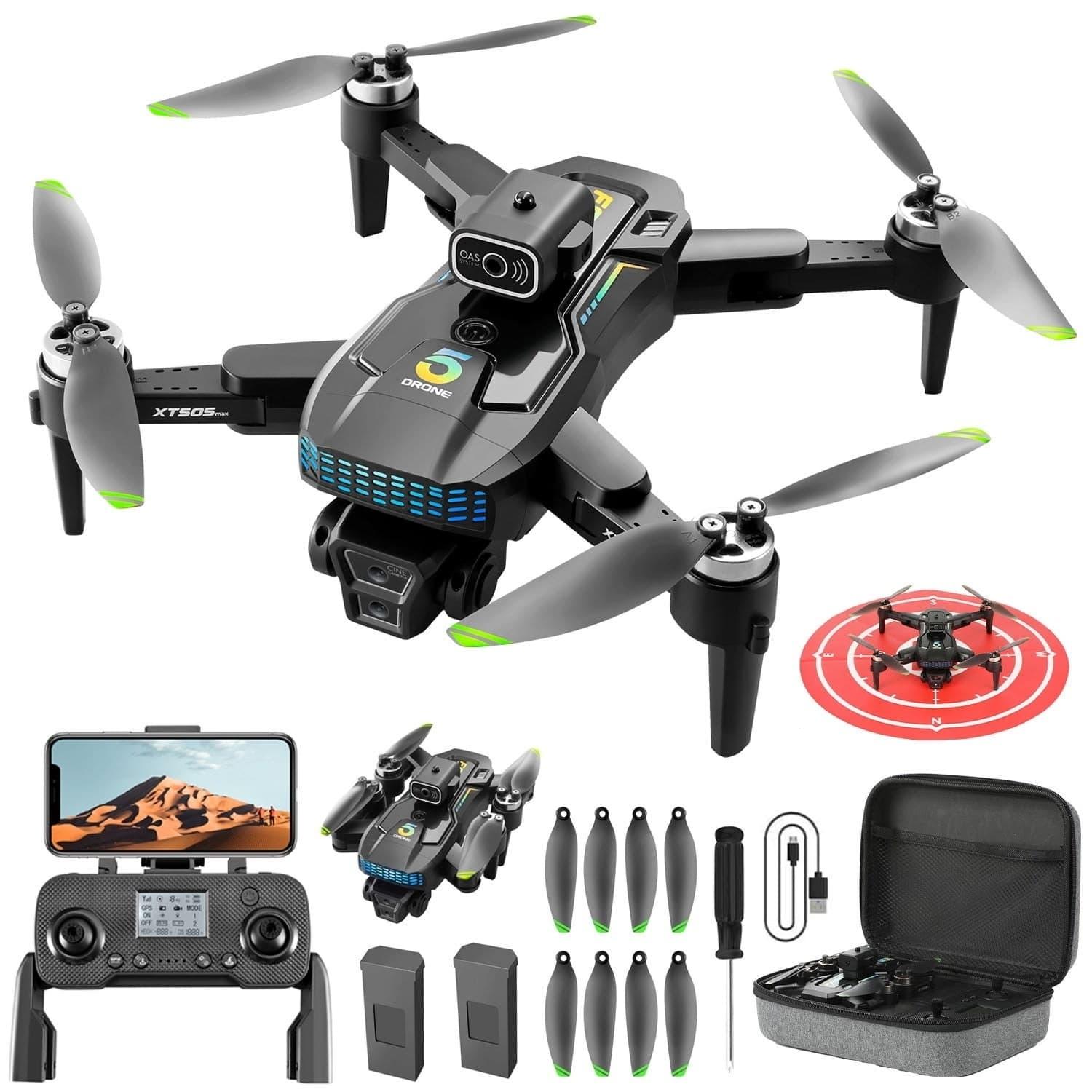 (DFR) refers to the deployment of unmanned aerial vehicles (UAVs) by emergency services as the initial tool for assessing, monitoring, and even intervening at incident scenes. Instead of waiting for personnel to reach the location, a drone can be instantly dispatched, often arriving within minutes or even seconds, depending on the region. Upon arrival, these drones provide real-time video, audio, thermal imaging, and other sensor feeds to command centers, enabling faster and more informed decision-making by human responders.
Advantages of Drones as First Responders in Emergency Scenarios
- Unmatched speed: Drones bypass traffic, physical obstacles, and geography, arriving at scenes much faster than traditional ground teams.
- Enhanced safety: Deploying drones reduces the immediate risk to human responders by allowing for remote assessments of hazards, chemical spills, or dangerous individuals.
- Data-rich situational awareness: From live-streamed HD video to infrared heat maps, drones offer decision-makers a comprehensive real-time view.
- Cost savings: Compared to helicopters and manned vehicles, drone as first responder models incur lower operational and maintenance expenses.
- Access to hard-to-reach areas: Drones excel in environments difficult or unsafe for humans, such as collapsed structures or flooded regions.
Real-World Examples of Drone-Enabled Emergency Response
Across the globe, the adoption of drone as first responder solutions has boosted emergency operations:
- United States:
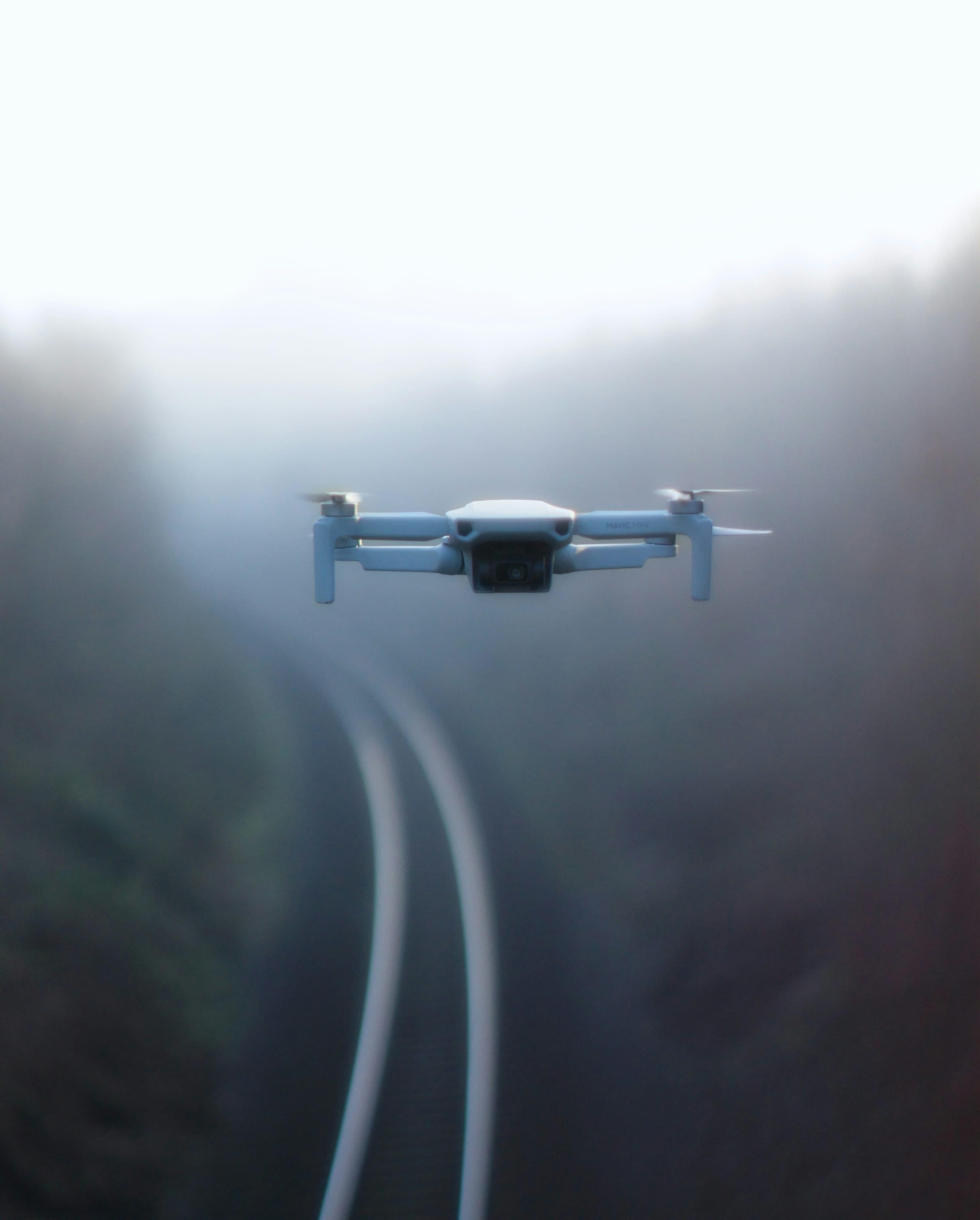 Multiple police departments including Chula Vista Police in California have established DFR programs, using drones to assess crime scenes and monitor ongoing emergencies while officers are en route. These programs have reduced response times and improved public safety outcomes.
 - Europe: In cities like Zurich, Switzerland, and Paris, France, drones support both medevac and firefighting teams by scouting hazardous zones, mapping fire perimeters, and delivering small payloads such as defibrillators.
- Asia: Countries like China and India have successfully used drones for search and rescue operations following monsoons, floods, and earthquakes, with real-time aerial imagery supporting ground teams in prioritizing areas for rescue.
This extensive, borderless utility establishes drone as first responder as a vital, globally transferable technology in modern emergency services.
The Technology Powering Drone as First Responder Initiatives
Implementing DFR capabilities relies on cutting-edge hardware, reliable communications, and advanced software platforms. Key elements include:
- Autonomous Flight: Many DFR drones launch automatically from charging stations based on a 911 call, reducing the need for manual operation.
- Real-Time Video Streaming: High-definition, low-latency video enables emergency teams and incident commanders to assess situations from afar instantly.
- Thermal and Night Vision Sensors: These tools enable responders to detect people or hazards in darkness, smoke, or fog, crucial for firefighting and search-and-rescue missions.
- AI and Analytics: Increasingly, DFR drones use onboard AI to recognize threats, locate missing persons, or even monitor changes in environmental conditions.
The integration of these technologies means drones go beyond simply “flying cameras” and become intelligent, autonomous assets in any emergency toolkit.
Challenges and Considerations for Broader Adoption
While the drone as first responder model is revolutionizing emergency response, implementation is not without hurdles. Regulation is a major factor, as airspace management and privacy concerns are carefully managed by agencies such as the FAA. Additionally, the need for robust cybersecurity, skilled operators, and consistent funding can pose obstacles to widespread rollout. However, more governments are recognizing the life-saving potential and actively piloting and expanding DFR programs.