
The Expanding Influence of Iranian Drones in Modern Military Conflicts
The development and deployment of Iranian drones have dramatically reshaped aspects of modern warfare, catching the attention of global defense analysts and policymakers. While several nations have invested in unmanned aerial technology, Iran’s rapid advancement and strategic implementation of these systems have made Iranian drones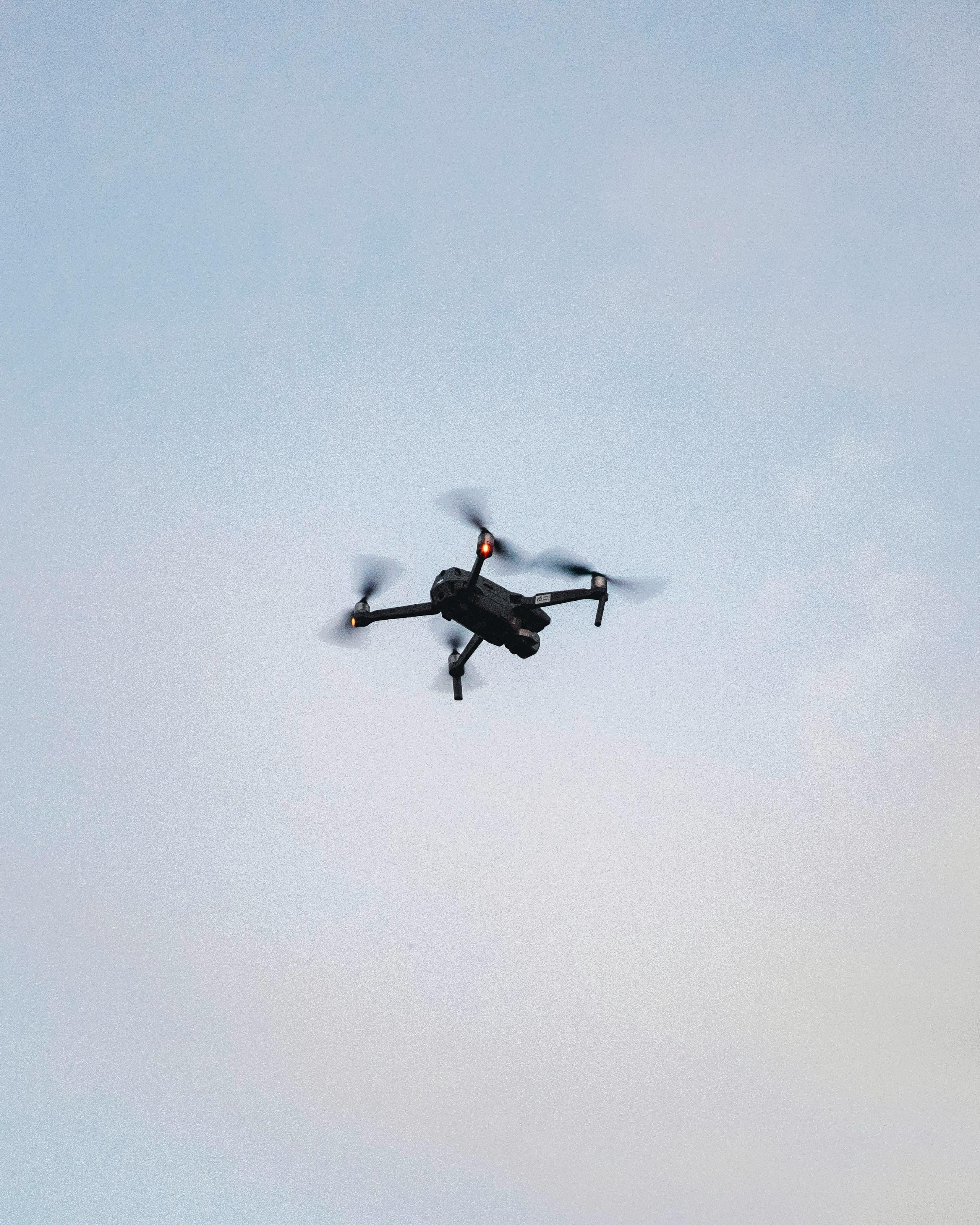 a central topic in military technology circles. From surveillance operations to targeted strikes, Iranian drone capabilities have become an essential component in both national defense and irregular warfare tactics.
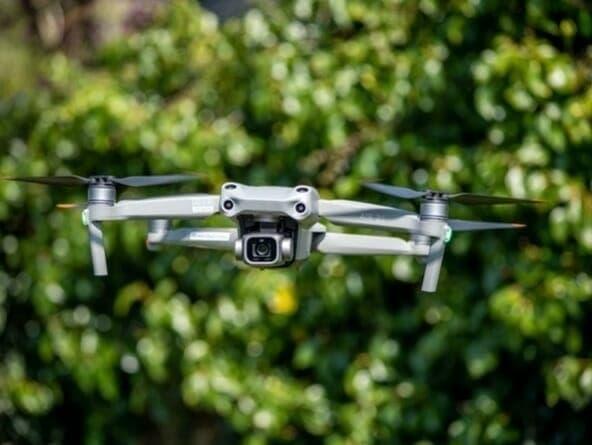
Origins and Evolution of Iranian Drone Technology
The journey of Iranian drones began in the early 1980s, largely in response to their need for self-sufficiency amidst international embargoes. Over the decades, Iran has engineered various models, including the Shahed and Mohajer series, with each generation featuring improved range, payload, and endurance. Iranian engineers have demonstrated resilience, often overcoming technological blockades by reverse-engineering foreign technology and implementing indigenous solutions.
Tactical Versatility of Iranian Drones
Iranian drones are highly adaptable. They serve diverse functions: intelligence gathering, electronic warfare, precision strikes, and even kamikaze-style attacks. The use of drones like the Shahed-136 for swarm assaults exemplifies how cost-effective and disruptive these platforms can be. In conflicts where air superiority is hotly contested, drones offer commanders a real-time, flexible asset with reduced risk to personnel.
The Geopolitical Impact of Iranian Drone Exports
Iranian drones are not confined to domestic use. Iran has become a notable exporter of drone technology, supplying groups in Yemen, Lebanon, Syria, and more recently providing support to Russia in the Ukraine conflict. The proliferation of these drones has increased regional instability, prompting concerns among neighboring countries and global powers about escalation and security threats.
- Enhanced surveillance capabilities
- Low-cost asymmetric warfare solutions
- Remote precision attack options
Iranian Drones and Countermeasures
Iranian drones present unique challenges to traditional defense systems. Their small size and low radar signature make them difficult to detect with standard air defense measures. In response, countries are working on advanced electronic jamming, counter-drone lasers, and improved radar technologies to mitigate the threat. The cat-and-mouse nature of drone warfare continues to drive innovation in defense sectors globally.
How Iranian Drones Reshape Asymmetric Warfare
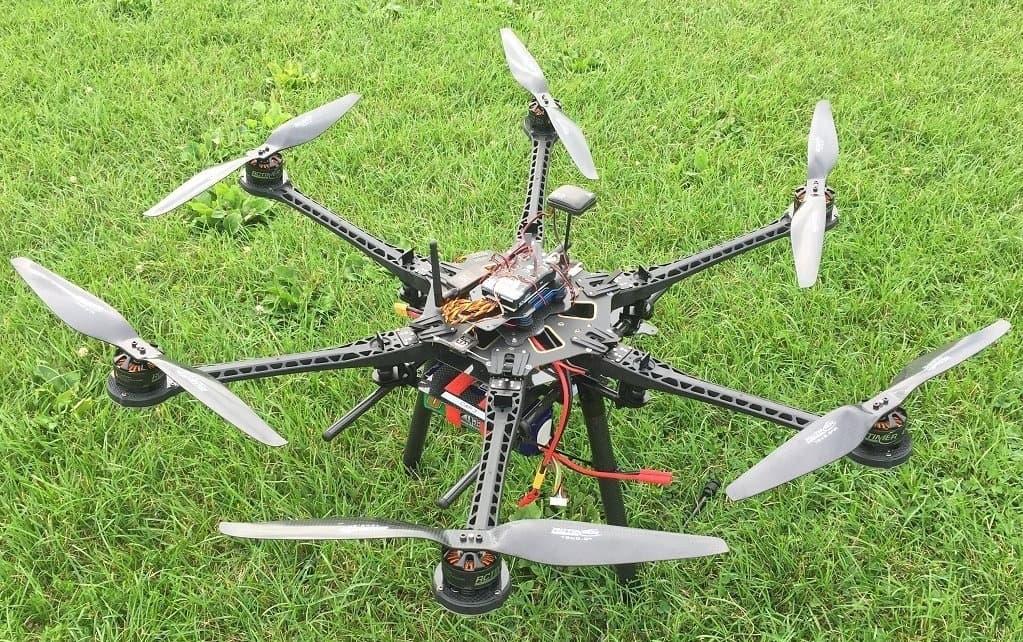
One of the most significant effects of Iranian drones has been their ability to empower non-state actors. Groups with limited resources can use drones for reconnaissance, propaganda, and attacks that would otherwise be impossible. This disrupts conventional power balances and forces militaries to reconsider old doctrines. The use of iranian drones by proxy forces in the Middle East illustrates this shift to a more decentralized and unpredictable method of conflict.
Technical Innovations in Iranian Drone Design
Recent years have seen Iran unveil innovative features in its drones: advanced composite materials, improved satellite communications, and engine upgrades to extend operational range. Some models reportedly integrate artificial intelligence to enhance navigation and target acquisition. The growth in the export of drone components further strengthens Iran’s position as an influential supplier in the global defense market.
International Reactions and Policy Shifts
The reach of Iranian drones has sparked debate in international forums, prompting new regulations, arms limitations, and drone countermeasures. Concerns about ethical use, proliferation to unauthorized entities, and escalation risks are prominent topics. Some countries are considering sanctions and technological controls to curb the spread of iranian drones technology.
The Future of Iranian Drones in Warfare
The role of Iranian drones in future conflicts will likely grow as technology advances and their cost-effectiveness makes them appealing both domestically and to foreign partners. Smart swarming, AI-based decision-making, and stealth capabilities may define the next generation, keeping Iran at the forefront of unmanned aerial system innovation.