
1. Precise Remote Camera Control
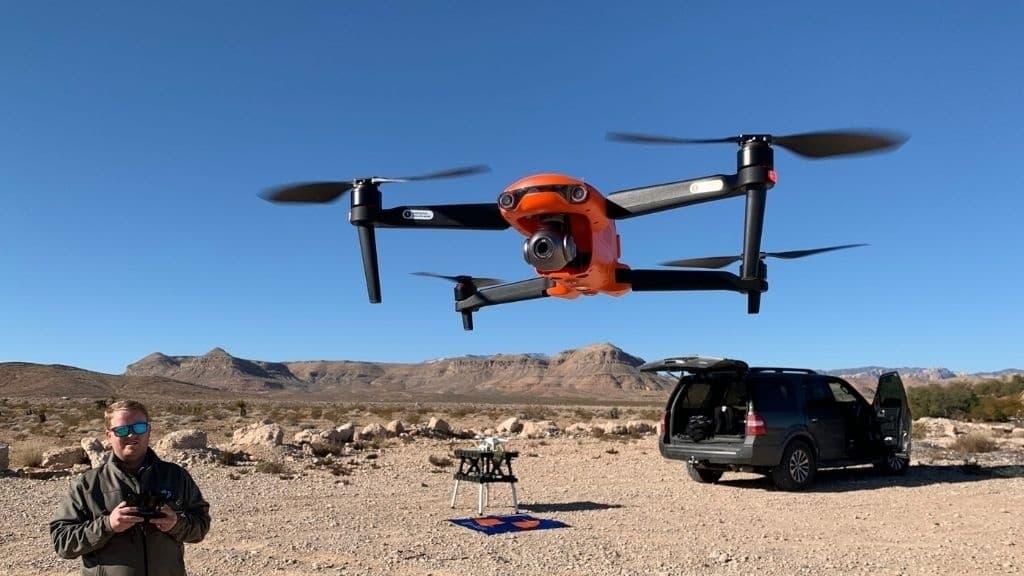
One of the hallmarks of camera remote control drones is their robust camera management capabilities. Through dedicated controllers or mobile apps, users can remotely adjust critical parameters such as exposure, ISO, focus, white balance, zoom, and even gimbal angles. This real-time control ensures that photographers can adapt to changing lighting or subject movement, delivering razor-sharp images or smooth footage without manually touching the drone or camera. The integration of these precise controls amplifies creativity and technical flexibility during shoots.
2. High-Resolution Imaging
Top camera remote control drones now feature sophisticated cameras capable of capturing stunning 4K and even 8K video, alongside high-megapixel still images. With larger sensors, these drones offer improved dynamic range, superior color accuracy, and low-light performance, enabling spectacular shots at any time of day or night. Many models also support RAW file formats, essential for professional post-processing. The ability to remotely control every aspect of camera operation means photographers can truly maximize the potential of these ultra-HD cameras.
3. Intelligent Flight Modes and Automated Tracking
Modern camera remote control drones are equipped with advanced flight modes such as Follow Me, Point of Interest, Waypoints, and ActiveTrack. These intelligent features utilize onboard sensors and machine learning to autonomously track subjects, circle points of interest, or follow pre-set routes, all while keeping the camera perfectly aimed. Such hands-free functionality is a game changer for solo operators and enables previously unattainable creative angles.
4. Robust Stabilization Systems
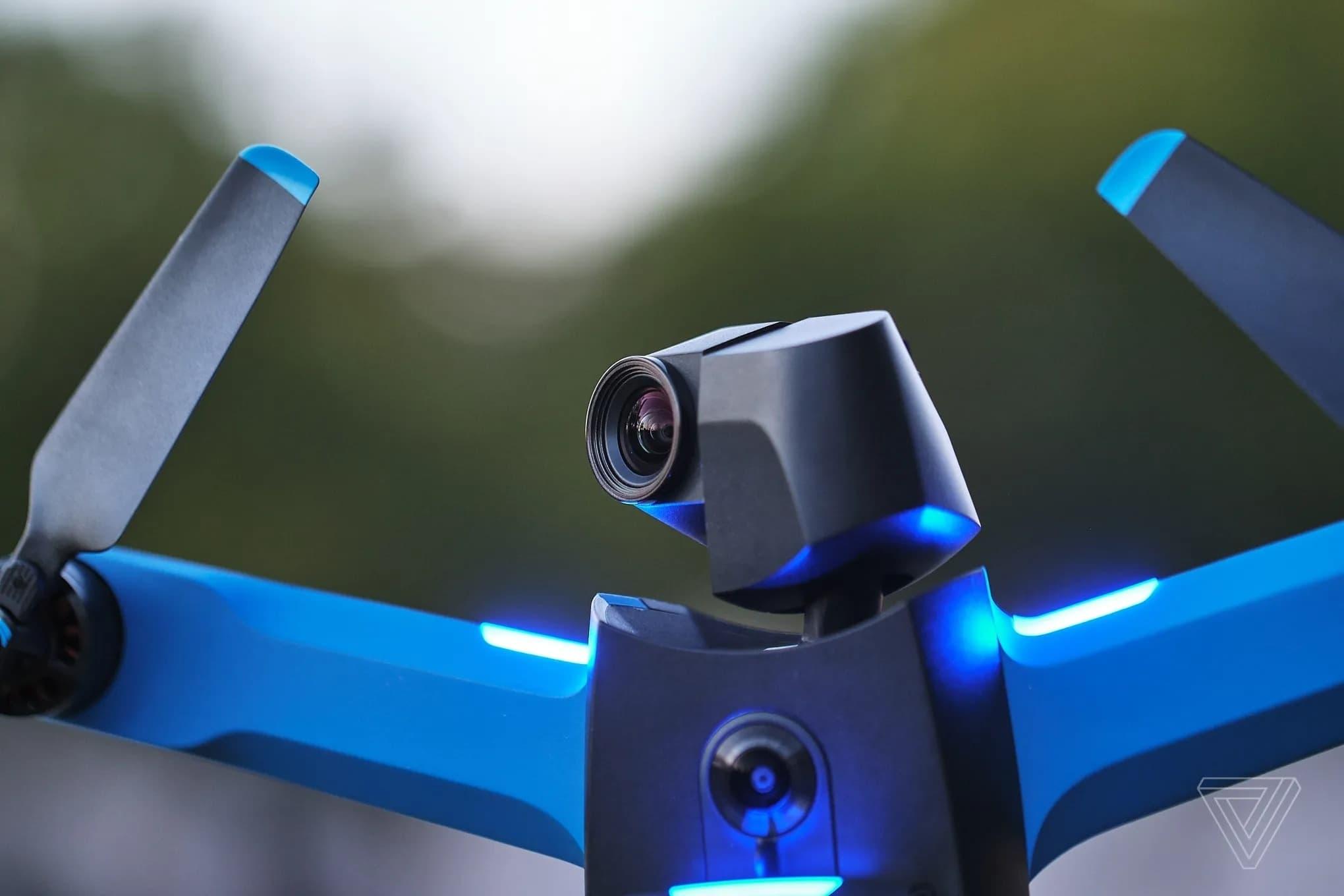
To capture jitter-free video and tack-sharp photos, camera remote control drones incorporate 3-axis (or even 4-axis) gimbals. These stabilization systems, combined with evolved flight controllers, counteract wind and movement to keep imagery perfectly smooth. Enhanced stabilization is especially vital in high-wind situations, fast-moving shots, or dramatic aerial pans.
6. Enhanced Safety and Obstacle Avoidance
The newest camera remote control drones are equipped with multi-directional obstacle avoidance sensors—infrared, ultrasonic, or visual. These prevent collisions during complex flights or in crowded environments, safeguarding your investment. Many models permit customizable geofencing and return-to-home functions, ensuring peace of mind while focusing on creative tasks.
7. Compact, Foldable Designs for Portability
Portability is a major concern for aerial photographers. Leading camera remote control drones now feature foldable arms and lightweight builds, making them easy to transport in backpacks or specialty cases. Despite compact dimensions, these portable drones retain high-end features and long battery life, perfect for those who travel often or shoot in remote locations.
8. Extended Flight Time
Battery advancements have allowed for flight times exceeding 30 minutes in many camera remote control drone models. This extended duration maximizes creative possibilities, enabling lengthy sessions over large landscapes, multiple takes, and complex flight paths without constant interruptions for recharging.
9. Dual Operator ModesProfessional models may offer dual operator functionality, where one person controls the drone’s flight while another manages the camera. This separation of roles unlocks intricate tracking shots, layered movements, and more cinematic visuals.
10. Versatile Payload Options
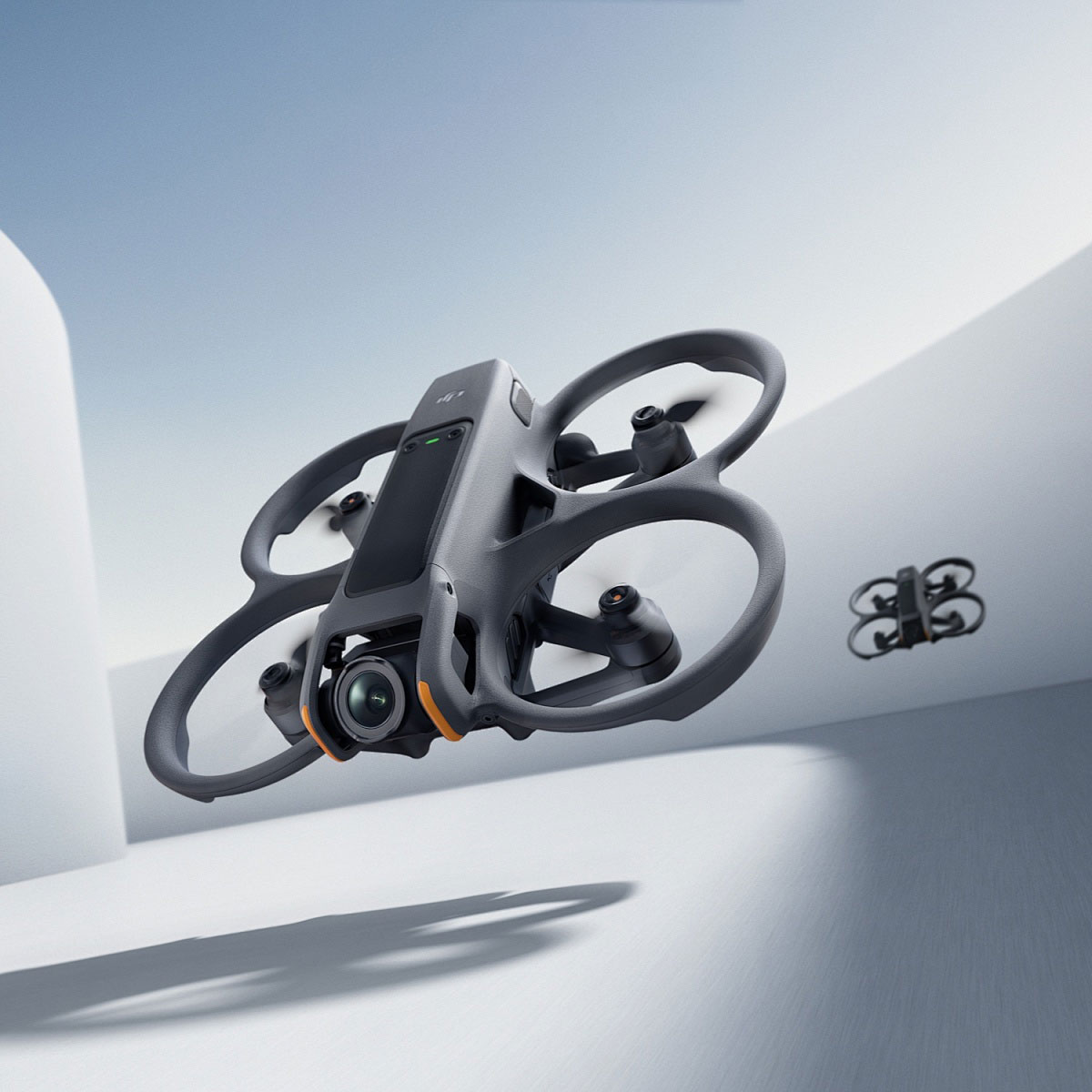 Some camera remote control drones support interchangeable camera or lens systems, gimbal setups, or thermal and multispectral sensors. This flexibility makes them suitable for a variety of applications beyond just traditional aerial imagery.
Applications Of Camera Remote Control Drones
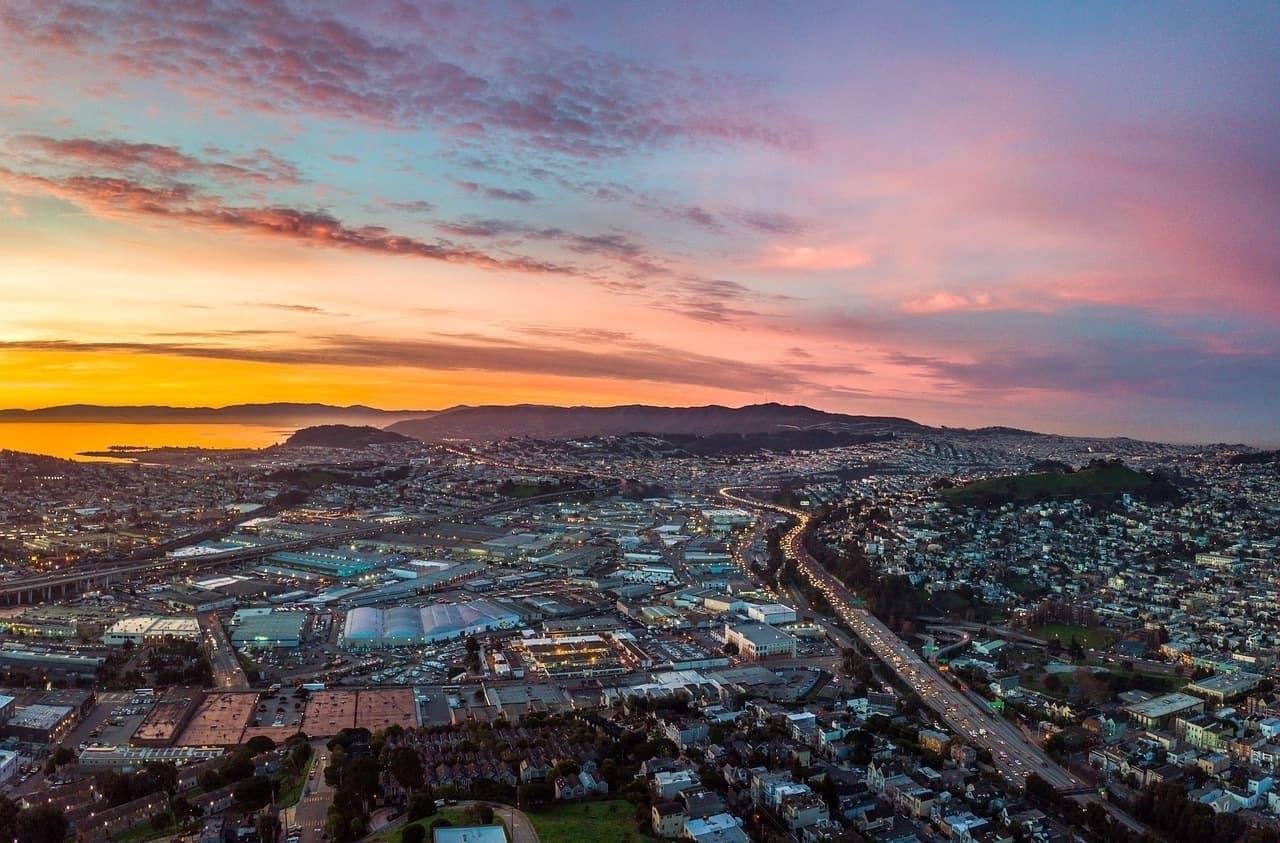
From real estate marketing and construction surveys to nature documentaries and wedding videography, camera remote control drones redefine what’s possible in visual storytelling. Their remotely operated capabilities allow photographers and filmmakers to access vantage points previously unreachable, whether soaring above city skylines or skimming mountain peaks.
- Wildlife Photography: Observe animals from afar without intrusion.
- Architecture & Construction: Model progress and details with bird’s-eye views.
- Event Coverage: Capture dynamic angles at festivals, races, or concerts.
- Content Creation: Produce travel vlogs, commercials, and social media clips with ease.
SEO Tips for Drone Content Creators
For content publishers looking to optimize their site for “camera remote control drones,” incorporate keyword-rich headings, descriptive image tags, and frequent internal linking around related drone topics. Regularly update articles with new drone technology trends, and include reviews, how-to guides, and comparison charts to maintain high relevance and authority.
Frequently Asked Questions
- How do I choose the best camera remote control drone for aerial photography?
- Consider resolution, remote control features, battery life, portability, and safety systems when selecting your drone. Reading expert reviews and hands-on comparisons can also help guide your decision.
- Are camera remote control drones legal to use in every location?
- Drone usage is regulated and may require permits or registration, depending on local laws. Always check regulations before flying and respect privacy and no-fly zones.
- Can beginners use camera remote control drones for professional-quality shots?
- Many models are beginner-friendly with automated flight modes, obstacle avoidance, and intuitive apps, making them accessible for all skill levels. Practice and familiarity will lead to better results.