
Ukrainian Drone Technology: Shaping the Future of Modern Warfare
In recent years, the term ukrainian drone has become synonymous with innovation and tactical evolution on the battlefield. The integration of Ukrainian drone technology into modern warfare strategies has had a profound impact, influencing both the dynamics of military engagement and the future of defense systems globally. As advances persist, understanding these cutting-edge developments is crucial for defense experts, international observers, and the broader public.
Origins and Evolution of Ukrainian Drone Technology
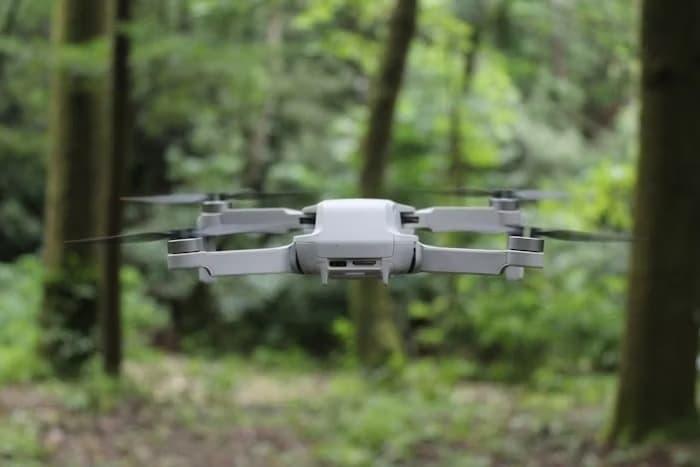
The journey of the Ukrainian drone industry began with modest beginnings, inspired by the need for agile, cost-effective solutions in response to ongoing regional conflicts. Ukrainian innovators and defense companies rapidly adapted and refined drone technology—crafting unmanned aerial vehicles (UAVs) capable of high-resolution reconnaissance, targeted strikes, and even psychological warfare. Today, Ukrainian drones range from small, hand-launched surveillance models to larger, weaponized systems, providing a versatile toolkit for any modern army.
Key Advantages of Ukrainian Drone Systems
- Adaptability and Affordability: Ukrainian drones are often far more affordable than traditional manned aircraft or high-end Western UAVs, making them attractive for widespread deployment and continuous upgrades.
- Rapid Innovation Cycles: The unique environment of conflict-driven innovation in Ukraine has led to quick adaptation, with drone models constantly evolving to counter new threats and technologies.
- Real-Time Data Gathering: Leveraging advanced optics, AI integration, and secure communication links, Ukrainian drones provide commanders with vital situational awareness, enhancing decision-making on the battlefield.
- Force Multiplication: By extending surveillance and targeting capabilities far beyond the frontline, UAVs amplify the effectiveness of infantry and artillery units.
Strategic Impact on Modern Military Operations
The deployment of Ukrainian drones has shifted traditional power balances, allowing smaller forces to inflict significant damage on larger, technologically advanced adversaries. UAV swarms perform coordinated surveillance and attacks, rendering static defenses vulnerable. Their use has redefined concepts of air superiority and has forced militaries worldwide to reassess anti-drone measures and electronic warfare strategies.
Transforming Reconnaissance and Targeting
With ukrainian drone platforms, military units can conduct real-time surveillance deep into enemy territory, identify movement, and even coordinate artillery strikes with precision never seen before. This technology eliminates much of the guesswork once associated with traditional reconnaissance missions.
Integration with Artificial Intelligence and Advanced Software
AI-powered algorithms now accompany Ukrainian drone operations, enabling autonomous flight, pattern recognition, and target prioritization. Machine learning models interpret vast amounts of sensor data, picking out key targets and threats in fractions of a second. This synergy of AI and drone hardware ensures rapid tactical decisions and minimizes risk to human operators.
Challenges and Countermeasures
Despite these advantages, the proliferation of Ukrainian drone technology has also catalyzed investments in anti-drone defenses. Opposing forces are developing advanced radar, jamming systems, anti-drone nets, and directed energy weapons. This ongoing race between offensive drone capabilities and defensive countermeasures pushes technology forward and increases the complexity of modern battlefields.
Global Implications of Ukrainian Drone Proliferation
The success and visibility of Ukrainian drones in ongoing conflicts have had ripple effects worldwide. Dozens of nations now look to Ukraine for expertise in drone warfare or seek to acquire similar technology. As these UAVs become integral to security doctrines, questions regarding regulation, export controls, and ethical use grow more significant.
“A single Ukrainian drone can change the course of a tactical engagement, causing a disproportionate effect on enemy morale and logistics.”
Future Developments for Ukrainian Drones
The Ukrainian defense industry continues to invest in next-generation drones, focusing on longer flight endurance, stealth characteristics, and AI-powered autonomy. Reports suggest ongoing development of drone swarms, unmanned ground vehicles in coordination with aerial drones, and greater integration into network-centric warfare concepts. These advancements will not only change the way wars are fought but also influence peacetime applications such as border patrol, search and rescue, and disaster response.
Broader Impact on International Defense Policy
With ukrainian drone success stories making headlines, military planners and policymakers across NATO and beyond are reimagining doctrines and procurement strategies. The democratization of drone technology introduces new actors to the battlefield, prompting robust discussions about the nature and rules of modern conflict.
Ethical Considerations and Civilian Applications
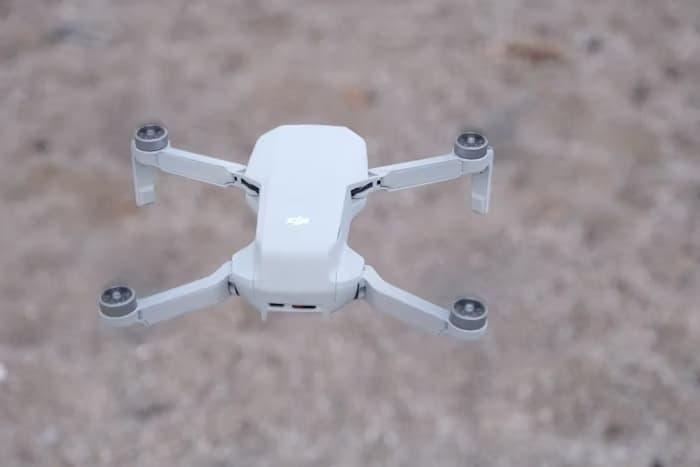
As drones become ubiquitous, questions arise regarding the ethical use of UAVs, risk of collateral damage, and the need for international standards. In Ukraine, lessons learned from military drone deployment are informing non-military fields: drones now routinely help with agricultural monitoring, environmental protection, and humanitarian aid delivery, showcasing the dual-use nature of the technology.
Conclusion: How Ukrainian Drone Innovation is Redefining Warfare
Ukrainian drone technology has rapidly advanced, irreversibly altering the face of warfare. From tactical reconnaissance to precision strikes, the continued evolution and proliferation of these UAVs drive modernization, prompt regulatory debate, and challenge traditional military hierarchies. As both advocates and critics closely monitor these trends, the impact of Ukrainian drones extends far beyond the battlefield.
FAQs About Ukrainian Drone Technology
- How do Ukrainian drones compare to other nations’ UAVs?
- Unlike some high-cost Western systems, Ukrainian drones emphasize affordability, modularity, and quick adaptation cycles, making them uniquely resilient in fluid conflict zones.
- Are Ukrainian drones used solely for military purposes?
- No. While their prominence stems from battlefield use, Ukraine’s drones are increasingly deployed for agriculture, mapping, rescue, and disaster response across civilian sectors.
- What are the main challenges facing Ukrainian drone operators?
- Key challenges include countering electronic warfare, enhancing stealth, and protecting command links from jamming or interception—all of which are shaping ongoing research efforts.