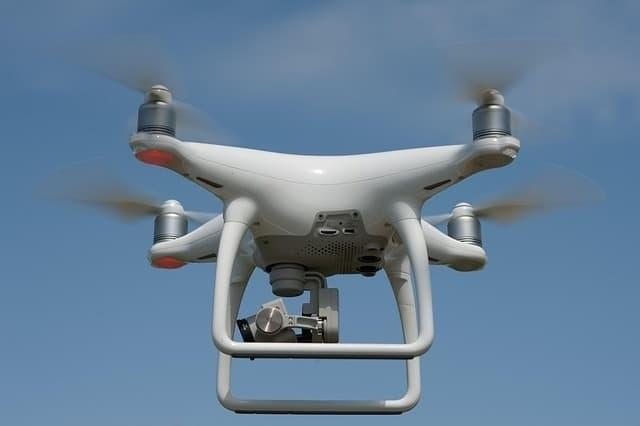
Latest News Drones Updates and Trends in Aerial Technology
The rapidly expanding world of news drones has fundamentally transformed the way we approach aerial technology, pushing boundaries in both journalism and state-of-the-art innovation. Driven by constant evolution, developments in drone hardware, AI-driven software, legal policies, and real-world deployment continue to shape our access to live events, from natural disasters to high-profile sports and global breaking news. This in-depth guide explores the most up-to-date advancements, major trends affecting the future of news drones, and strategic recommendations for media organizations considering or upgrading UAV tech.
How News Drones Are Revolutionizing Modern Journalism
Drone technology in the news arena has provided a significant edge for reporters and broadcasters. Equipped with high-resolution cameras and real-time streaming options, news drones facilitate unparalleled access to environments that were previously off-limits or unsafe for human operators. From covering wildfires with thermal imaging to capturing exclusive aerial shots of crowded protests, UAVs play a critical role in delivering authenticity, immediacy, and unique visual perspectives, driving higher engagement and trust.
Latest Hardware Improvements in News Drones
In 2024, manufacturers are rolling out lightweight frames, longer battery life, and advanced stabilization gimbals, all designed to maximize operational efficiency and image quality. Drone payload capacities have increased, supporting multiple camera modules, LiDAR sensors, and real-time data transmission systems, all while meeting strict aviation and privacy regulations.
- Ultra HD Cameras: 8K video and 48+ megapixels are fast becoming industry standards in top news drone models.
- Obstacle Avoidance: Cutting-edge AI helps drones autonomously avoid collisions, reducing the risk of accidents even in challenging conditions.
- Extended Battery Life: New lithium battery chemistries enable flights of up to 60 minutes on a single charge.
Smart Software: The Rise of AI in News Drone Operations
Artificial Intelligence isn’t just a buzzword—it’s actively transforming aerial news gathering. Object tracking, subject recognition, and autonomous path planning allow drones to react intelligently to dynamic environments. Live-captioning becomes feasible with speech-to-text onboard systems, while cloud-based AI integrations power sophisticated post-processing and rapid media sorting for newsroom speed and accuracy. All these innovations contribute to the news drones sector becoming more reliable and indispensable for major media outlets.
Legal Developments and Ethical Considerations
With increased deployment comes greater scrutiny surrounding drone operations. Regulatory frameworks are shifting: the FAA, EASA, and other global authorities update guidelines to balance airspace safety with freedom of the press. Some recent legal changes include:
- Mandatory remote ID for all UAVs flying over populated zones or public events.
- License and training requirements for operators handling news drones for commercial purposes.
- Clear guidelines on privacy and editorial responsibility in aerial surveillance and broadcasting.
Media outlets using drones now regularly collaborate with local authorities, ensuring responsible reporting and compliance with evolving laws.
Global Trends: How News Drones Are Used Around the World
News drones are no longer confined to Western newsrooms. In Asia, Africa, and South America, local broadcasters and digital content creators are adapting drone footage for election coverage, civil unrest, environmental monitoring, and even humanitarian relief. These diverse case studies illustrate the adaptability and democratization of the technology.
Impacts on Audience Engagement and Content Creation
The unique aerial perspectives generated by news drones have drastically elevated production value, audience retention, and online shareability of news content. Whether through interactive map overlays, dramatic fly-bys, or seamless live switching, viewers now expect drone footage as a staple of premium journalism, making this technology an essential investment for digital transformation in media.
Predictions: The Future of News Drones in Aerial Technology
- 5G/6G Integration: Ultra-low latency transmission will allow seamless live HD/8K coverage from even the most remote locations.
- Edge Computing: Real-time AI-driven editing onboard, minimizing newsroom processing time.
- Swarm Drones:
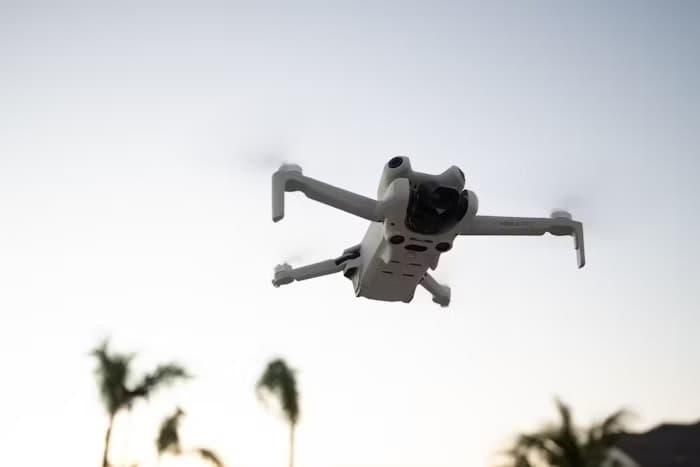 Coordinated fleets for panoramic broadcast and comprehensive area coverage, especially during disasters or major events.
Analysts also forecast expanding applications in data-driven journalism, VR/AR news experiences, and even hybrid platforms integrating ground robots and aerial drones for multidimensional reporting.
How to Choose the Right Drone for News Coverage
When selecting a drone for professional journalism, balance portability, flight time, camera specs, regulatory compliance, and ease of use. Look for platforms with secure data encryption, modular accessories, and a robust customer support network to future-proof investments as new trends emerge in the aerial tech industry.
Conclusion
From breaking news to environmental monitoring, disaster response, and immersive storytelling, the latest generation of news drones is revolutionizing aerial technology and modern journalism. As hardware evolves, AI comes to the forefront, and regulations adapt, staying informed on news drone updates is crucial for any media organization seeking to lead in visual innovation.
FAQ on News Drones and Aerial Reporting
- What types of news can drones cover most effectively?
- News drones are ideal for covering natural disasters, large-scale public events, protests, sports broadcasts, and difficult-to-access areas where traditional cameras can’t go.
- Are there privacy concerns with using drones in journalism?
- Yes. Operators must respect local privacy laws and obtain permits when necessary. News organizations are increasingly implementing strict editorial guidelines when using drones for aerial reporting.
- Can news drones operate in harsh weather conditions?
- Modern news drones can withstand moderate rain, wind, and temperature fluctuations, but extreme weather may still limit safe operation. It’s essential to match the drone’s design to the intended environment.