
In recent years, the synergy between 3D printing and drone technology has paved the way for groundbreaking advancements, particularly in the field of unmanned aerial vehicles (UAVs). By leveraging the precision and flexibility of 3D print technologies, designers and engineers are exploring innovative solutions to enhance the performance and capabilities of modern drones. This fusion is not only reshaping the future of drone manufacturing but also influencing how these devices are utilized in various sectors.
The Benefits of Integrating 3D Printing in Drone Design
The incorporation of 3D print drone technology provides numerous benefits. Firstly, it allows for rapid prototyping, enabling engineers to iterate designs swiftly and efficiently. This ability to produce multiple prototypes in a short span significantly cuts down the time from concept to production. Additionally, 3D printing allows for the customization of drone components, offering the ability to tailor drones for specific applications such as agriculture, surveillance, or delivery services.
Customization and Innovation
One of the standout advantages of using a 3D print drone approach is customization. Traditional manufacturing methods can be restrictive, but with 3D printing, intricate and lightweight parts can be created that optimize drone aerodynamics. This leads to improved flight performance and extended battery life. The versatility of materials used in 3D printing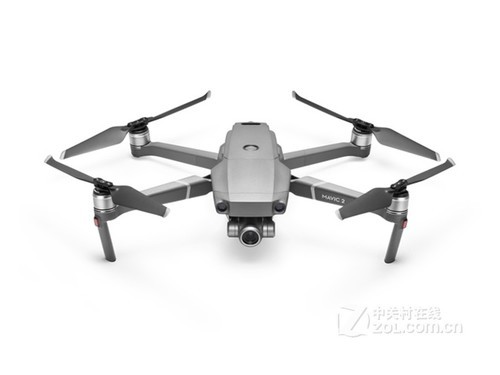 , including carbon fibre composites and other durable polymers, ensures drones are both resilient and efficient.
Cost-Effectiveness and Accessibility
Utilizing 3D printing can also reduce production costs by minimizing waste and decreasing the number of required manufacturing steps. As the technology becomes more accessible, even small companies and hobbyists can participate in drone development. This democratization of manufacturing capabilities invites innovation from a broader range of contributors, potentially leading to more diverse and advanced solutions in the industry.
A Shift in Drone Repair and Maintenance
The use of 3D print drone technology doesn’t just influence production – it also has profound implications for maintenance and repair. With 3D printing, replacement parts can be created on-demand, reducing downtime and extending the lifespan of drones. This has significant implications for industries reliant on drone technology, such as logistics and emergency services, where time is often critical.
Environmental Impact
Another noteworthy aspect of integrating 3D printing with drones is the environmental impact. Traditional manufacturing processes are often resource-intensive, but additive manufacturing techniques inherent in 3D printing reduce material waste and energy consumption. As sustainability becomes a growing priority, the eco-friendly nature of 3D print drone production can contribute significantly to the reduction of the industry’s carbon footprint.
Challenges and Considerations
Despite its advantages, there are challenges to overcome. Ensuring the structural integrity of 3D printed parts, especially when drones are exposed to extreme conditions, remains a technical hurdle. Moreover, as regulations around UAVs continue to evolve, the industry must work closely with authorities to ensure safety and compliance.
The potential of combining 3D printing with drone technology is immense and opens up new opportunities across various fields. As research and development continue, the future of 3D print drone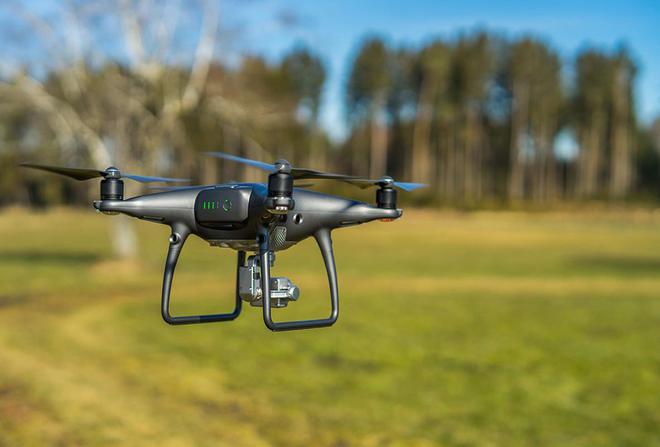 seems promising, with endless possibilities for innovation and application.
FAQs
Q: Can 3D printing be used for all drone parts?
A: While many drone components can be manufactured using 3D printing, some parts, particularly those requiring high-strength materials or intricate electronics, may still rely on traditional manufacturing methods.
Q: How does 3D printing reduce drone production costs?
A: 3D printing minimizes waste, reduces the number of steps in the manufacturing process, and allows for rapid prototyping, all of which contribute to lower production costs.
Q: What materials are typically used in 3D printing drones?
A: Various materials are used, including bio-plastics, resins, and composite materials like carbon fiber, offering both strength and lightweight properties essential for drone functionality.