
Drones, commonly known as UAVs (Unmanned Aerial Vehicles), are revolutionizing the way we perceive and interact with the world. For starters, diving into the world of drones can be an exciting yet challenging endeavor. Understanding the basics of drones, especially when you’re a beginner, can make a significant difference in how enjoyable and successful your flying experience becomes. This article explores tips and tricks to help novices navigate the exhilarating environment of drones for starters.
Understanding Drones
Before taking your first flight, it’s crucial to know the type of drone that’s right for you. There are several kinds of drones available, ranging from toy drones to high-end models equipped with advanced features. For beginners, it’s advisable to start with entry-level drones that are easy to handle and less costly. These drones for starters are often lighter, come with user-friendly controls, and some even offer safety features like propeller guards.
The Basics of Drone Flying
Learning the basics of drone operation is critical. Start by familiarizing yourself with the controls. Most user-friendly drones come with a controller that can be operated via a smartphone app. Practice makes perfect, and therefore, it’s beneficial to start flying in open, unobstructed areas. Always conduct pre-flight checks to ensure everything is functioning correctly before taking off. Understanding the drone’s altitude and speed settings can also provide a safer and better flight experience.
Safety First
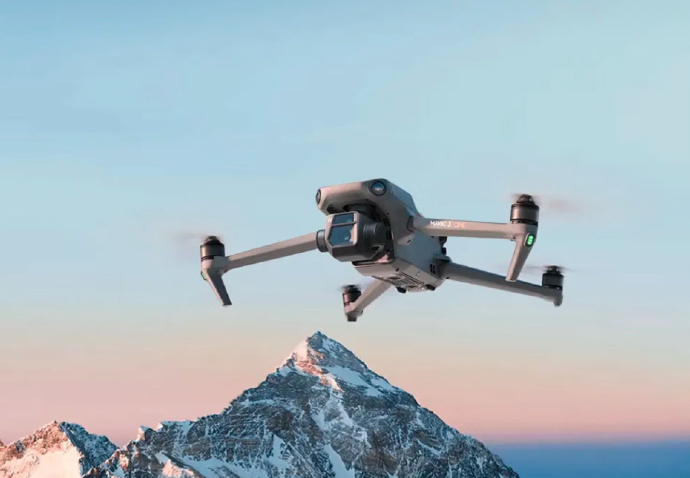
Ensuring the safety of both your drone and those around you should be a top priority. Always follow local regulations and guidelines regarding drone flying. Many regions require you to keep the drone within your line of sight and prohibit flights over populated areas. Additionally, check weather conditions—flying in high winds or rain can be risky.
Additional Equipment and Upgrades
Once you are comfortable with the basics, consider additional equipment and upgrades that might enhance your drone flying experience. Extra batteries are a popular choice since they extend flight time. Investing in a high-quality camera or camera stabilizations like gimbals can significantly improve the quality of videos and photos captured from the sky.
Join the Drone Community
A great way to advance quickly is to join a local or online drone community. Platforms like forums and social media groups are invaluable resources for newcomers to exchange tips, experiences, and troubleshooting advice. Engaging with other drone enthusiasts also offers opportunities for collaborative projects or drone challenges.
Etiquette and Responsible Flying
Being part of the drone community also means understanding the importance of drone etiquette. Respecting people’s privacy, adhering to no-fly zones, and maintaining a respectful distance when capturing video or photography are crucial aspects of responsible drone usage.
FAQs on Starting with Drones
Q: What is the best starter drone for beginners?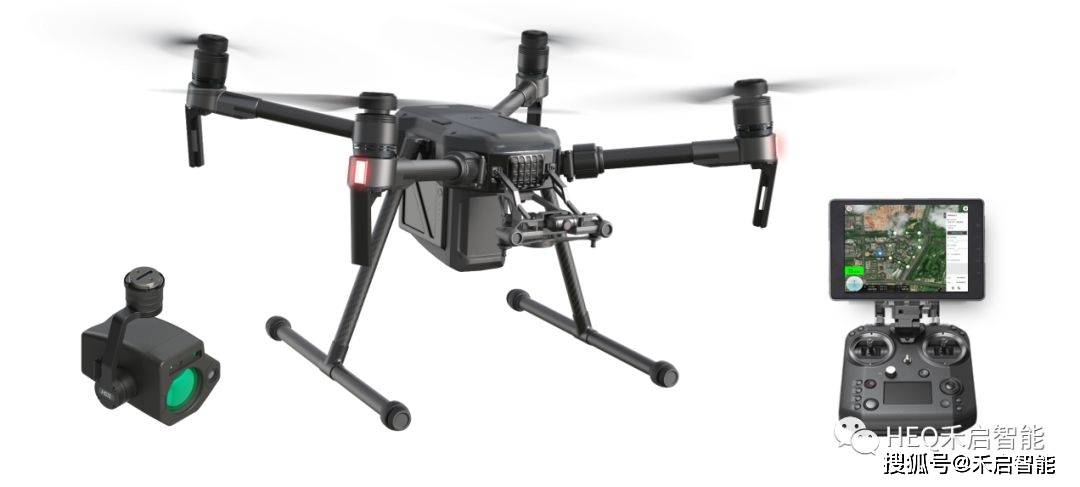 A: The best starter drones often include models like the DJI Mini 2 or Ryze Tello, which offer a good balance of ease of use and features.
Q: How long does it take to learn to fly a drone? A: It varies per individual, but most beginners can become proficient in basic drone flying within a few weeks of consistent practice.