
Military surveillance drones have revolutionized the way militaries worldwide conduct intelligence, surveillance, and reconnaissance operations. As technological advancements continue to accelerate, organizations like Brookings delve into the implications and future possibilities of these unmanned aerial vehicles (UAVs).
Understanding Military Surveillance Drones
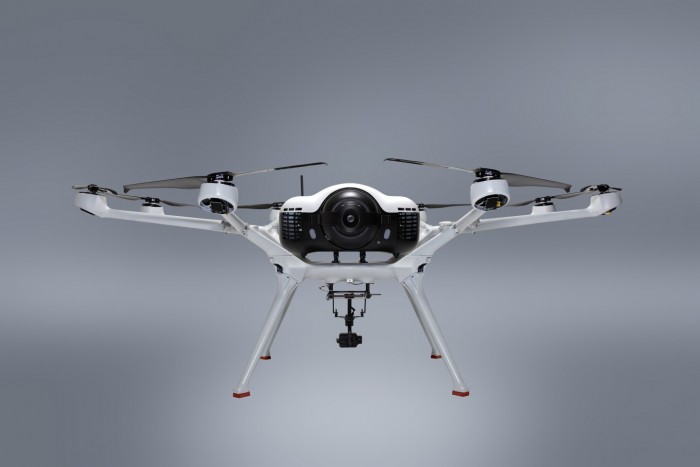
Military surveillance drones, also known as UAVs, are employed for gathering information, monitoring activities, and providing real-time data without risking human lives. The primary functions of these drones include aerial reconnaissance, intelligence gathering, and target acquisition. With their ability to access remote and hostile areas, drones have become invaluable assets in modern warfare.
Technological Advances in Drone Capabilities
Technological advancements have been a driving force behind the evolution of surveillance drones. Innovations in camera technology, data transmission, and AI have empowered drones to operate autonomously and with heightened precision. Moreover, improvements in battery life and aerodynamics have extended their mission duration and range, making them more versatile than ever before. Military forces worldwide leverage these advancements to maintain strategic advantages.
The Brookings Institution, a prominent think tank, frequently examines these technological advances and provides insight into their societal and ethical implications. Scholars discuss how military surveillance drones might impact international relations, including shifts in power dynamics between nations.
Strategic Uses of Surveillance Drones
- Border security: Drones help monitor and secure national borders by offering continuous surveillance and identifying unauthorized crossings.
- Combat zones: In active conflict areas, drones provide real-time intelligence that informs tactical decisions and aids in mission success.
- Disaster relief: Drones play a significant part in disaster response by surveying affected areas and supporting rescue operations.
Brookings analysis suggests that optimal use of drones involves integrating them with other intelligence systems to create a cohesive and responsive security infrastructure. This integration ensures that surveillance data is used effectively and efficiently.
Challenges and Ethical Considerations
Despite their advantages, the deployment of military surveillance drones raises ethical and legal questions. Privacy concerns and potential misuse of surveillance data are prominent issues. Moreover, the use of drones in conflict zones has sparked debates over their impact on civilian safety and international law.
Brookings experts advocate for comprehensive legal frameworks to govern drone operations, ensuring that their use aligns with ethical standards and respects human rights.
The balance between national security and individual privacy remains a contentious topic, necessitating ongoing dialogue among policymakers, technologists, and the public.
Future Prospects and Innovations
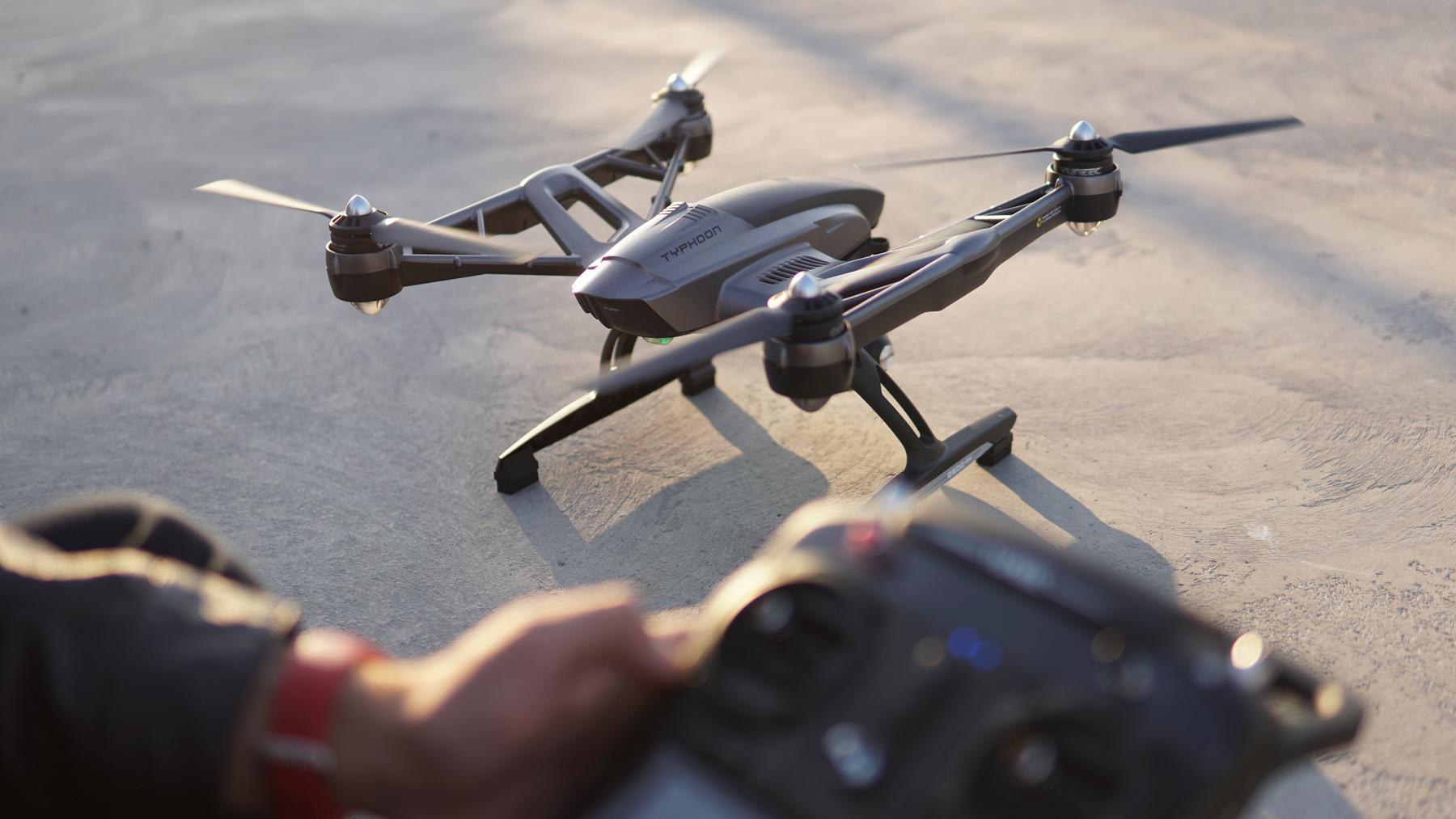
As drone technology continues to evolve, new applications and features are likely to emerge. Enhanced AI capabilities could allow for smarter decision-making, while advances in stealth technology might make drones even less detectable. Collaboration between governments and private sectors plays a crucial role in this advancement.
Brookings anticipates that continuous research into these areas will yield a host of innovations, reshaping both military strategies and international policies concerning surveillance technology.
FAQs About Military Surveillance Drones
How do surveillance drones operate autonomously?
Surveillance drones use AI algorithms to process data and make decisions based on pre-set parameters, allowing them to navigate and perform tasks without human intervention.
Can drones respect privacy while ensuring security?
Balancing privacy and security is challenging. Legal frameworks and technological controls, such as data encryption and accessibility restrictions, are essential to align drone use with privacy expectations.
What is the future of military surveillance drones?
The future may see increased integration with other technologies, like IoT and satellites, enhancing their capabilities and application scope. Continuous innovation will drive their strategic importance.