
Understanding the Different Types of Drones
When considering purchasing a drone, it’s important to understand the various types available. There are beginner drones, which are generally affordable and easier to fly. These are perfect for those new to drones or those not looking to make a significant investment. Then, there are intermediate drones. These typically possess more features, such as higher quality cameras, GPS functionality, and longer battery life, and they’re suited for enthusiasts who want to delve deeper into aerial photography or videography. Finally, professional-grade drones deliver unmatched performance, equipped with premium cameras capable of producing cinematic footage. These are designed with professional photographers and filmmakers in mind and often come with advanced flight capabilities.
Features to Consider in Drones with Cameras
When selecting a drone with a camera, several key features should be considered.
- Camera Quality: Look for drones that offer high-resolution cameras, the ability to shoot in 4K, and features such as image stabilization.
- Flight Time: Check the maximum flight duration of the drone to ensure it meets your requirements. Some models allow up to 30 minutes of flight time on a single charge.
- Range: Consider the distance you can control the drone from your position. Higher-end models offer extended ranges of several kilometers.
- GPS and Return Home Functionality: These features are crucial for beginners, ensuring the drone can find its way back if you lose sight of it or if the battery runs low.
- Flying Modes and Smart Features: Many drones come with intelligent flying modes, like follow-me, orbit, and waypoint navigation, to enhance the flying experience.
Top Drones Available Today
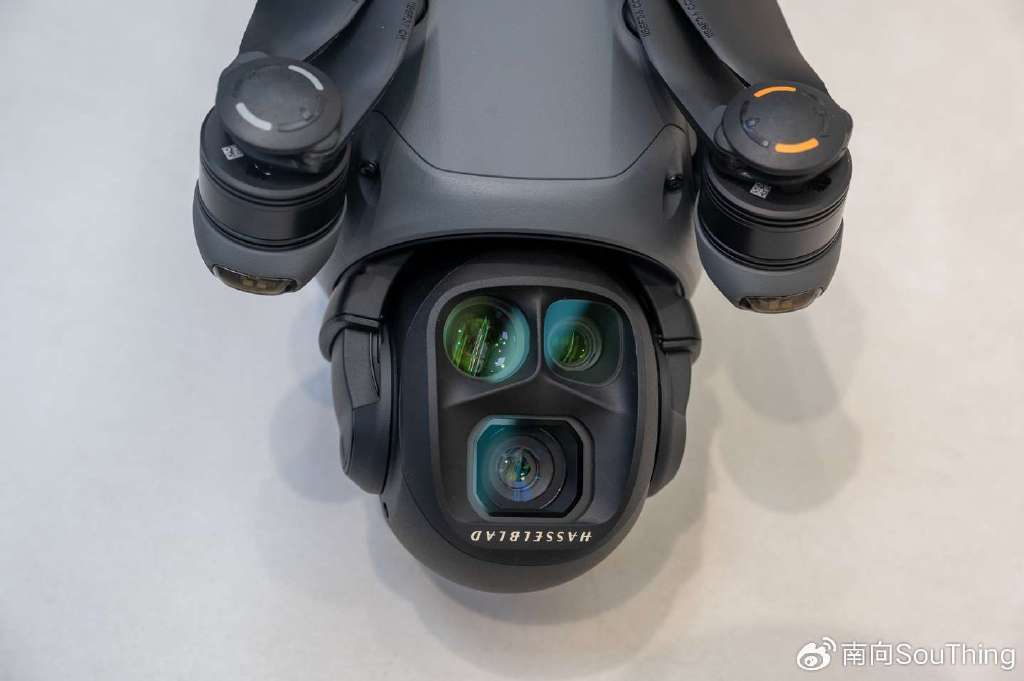
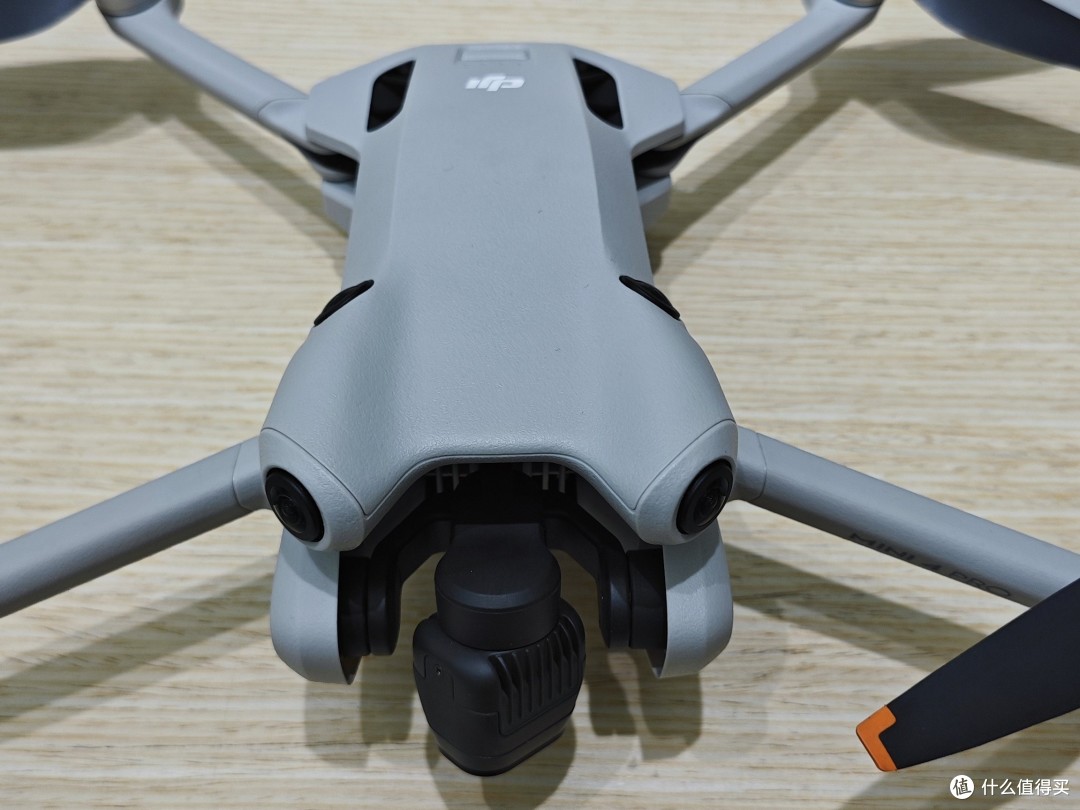
The market today is flooded with several high-performing drones, each boasting unique features. Some of the top models include DJI Mavic Air 2, DJI Phantom 4 Pro, and the Autel Robotics Evo II. Each of these models offers superior camera quality and exceptional flight capabilities, making them a favorite among enthusiasts and professionals alike. DJI Mavic Air 2 is renowned for its ease of use and portability, featuring a 48MP camera and 4K video capabilities. On the other hand, the Phantom 4 Pro is famed for its advanced obstacle avoidance systems and five-direction obstacle sensing, providing peace of mind to pilots when flying in complex environments. Meanwhile, Autel Robotics Evo II boasts an impressive 8K camera, ensuring unparalleled photo and video quality.
Advantages of Using Drones for Aerial Photography
Drones with cameras present numerous benefits over traditional photography methods. For one, they allow you to capture perspectives that were previously unimaginable, offering unique angles that can truly enhance the storytelling of any visual presentation. Furthermore, drones are incredibly versatile, enabling you to shoot in hard-to-reach locations or environments that might otherwise pose a risk. During commercial projects, engaging aerial shots can significantly raise the professional appeal of marketing materials. They’re also surprisingly adaptable, often being utilized in everything from filmmaking and agriculture to security and disaster management.
FAQs
Q: How difficult is it to learn flying a drone?
Learning to fly a drone can be relatively easy, especially with models designed for beginners. Most drones come with various assistive features to help you learn.
Q: Do I need a license to operate a drone?
Drone regulations vary by country. In many places, you must register your drone and follow specific guidelines if it’s above a certain weight.
Q: How can I ensure the safety of my drone flights?
To ensure safe flights, thoroughly check weather conditions, avoid restricted areas, follow local regulations, and maintain a visual line of sight with your drone at all times. Remember to keep learning and practicing, which will make you a more skilled pilot over time.