
In recent years, drone video technology has revolutionized the way we capture the world from above, providing stunning aerial perspectives that were once only accessible by helicopter or airplane. The advent of drones equipped with high-definition cameras has opened up new possibilities for filmmakers, photographers, and enthusiasts alike. From capturing breathtaking landscapes to documenting social events, drone videos offer a unique vantage point that can transform the ordinary into the extraordinary. This article explores the remarkable capabilities and diverse applications of drone video technology, demonstrating why it has become an indispensable tool in modern visual storytelling.
Unmatched Versatility of Drone Video
Drones offer unmatched versatility when it comes to capturing video footage. They can navigate difficult terrains and reach places that are otherwise inaccessible. Whether it’s gliding over rugged cliffs, weaving through dense forests, or soaring above urban landscapes, drone cameras reveal a perspective that brings a whole new dimension to visual content. The ability to capture smooth, stabilized footage allows for the creation of professional-grade videos that captivate audiences.
The Impact on Various Industries
Drone video technology has significantly impacted various industries by providing unique insights and transforming how projects are managed and executed. In the real estate sector, drone videos offer potential buyers a comprehensive view of properties, encompassing not just the structure, but also the surrounding landscape. Similarly, in agriculture, drones facilitate crop monitoring, assessing plant health from above and allowing for efficient management of resources. The tourism industry has also capitalized on drones to showcase destinations with breathtaking aerial footage, enticing potential visitors with a bird’s-eye view.
The Advancements in Drone Technology
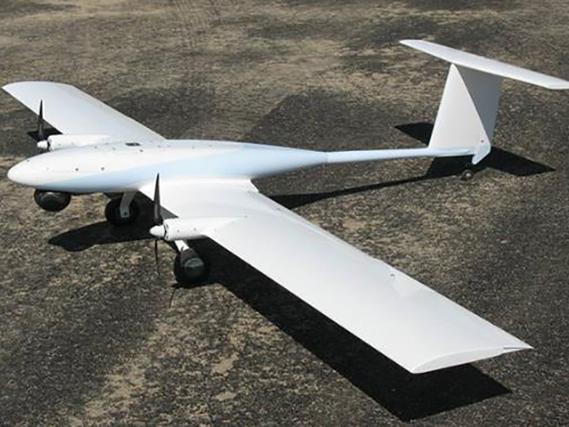
Technological advancements in drone engineering have remarkably enhanced video quality. Most modern drones are equipped with 4K cameras, offering exceptional clarity and detail. Camera stabilization features, such as gimbals, provide steady images even in windy conditions, ensuring that the footage remains smooth and professional-looking. Moreover, the development of autonomous flight modes enables drones to track subjects, follow specific routes, and even return to their take-off points automatically.
Creative Uses of Drone Videos
Drone videos offer endless creative possibilities. Filmmakers can use them to add dramatic sweeping shots to their movies, while event organizers can capture the scale and atmosphere of various gatherings. Drones have also become a vital tool for conservationists and researchers, providing a non-invasive means to monitor wildlife and natural habitats. By using thermal cameras, they can even track animal movements at night. This capability is crucial for wildlife protection efforts as it reduces human intervention in sensitive areas.
Legal Considerations and Challenges
While drone technology provides exciting opportunities, it also comes with legal considerations that users must be aware of. Regulations vary by country, and operators often require permits to fly drones in certain areas. Privacy issues also arise, especially when drones are used in populated or residential zones. It’s vital for operators to adhere to legal guidelines to ensure the responsible use of drone technology.
Despite these challenges, the future of drone video technology remains bright, with innovations continually emerging to resolve current limitations and expand their potential uses. As the technology evolves, we can expect even more creative and transformative uses of drone videos in everyday life.
FAQs on Drone Video Technology
How do drones capture stable images?
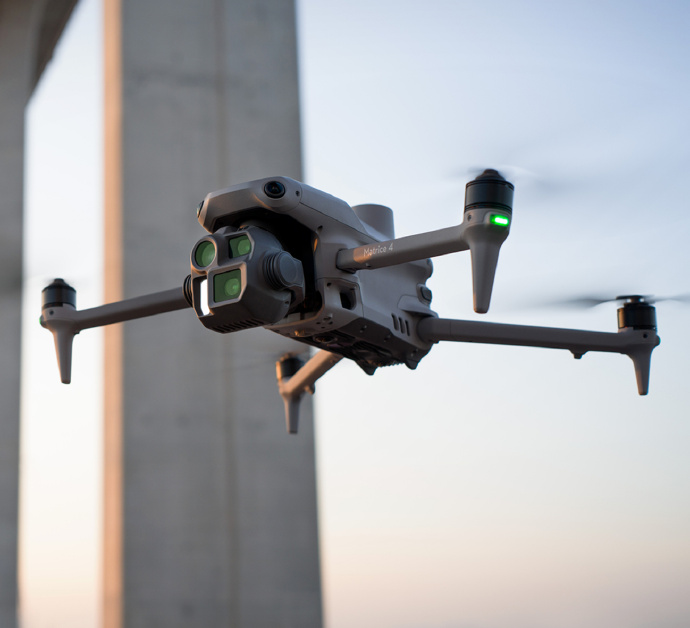
Most drones are equipped with camera stabilization systems such as gimbals that help maintain steady footage despite movement or wind. These systems keep the camera stable, counteracting any flight-induced motion and providing smooth images.
Can drones be used at night?
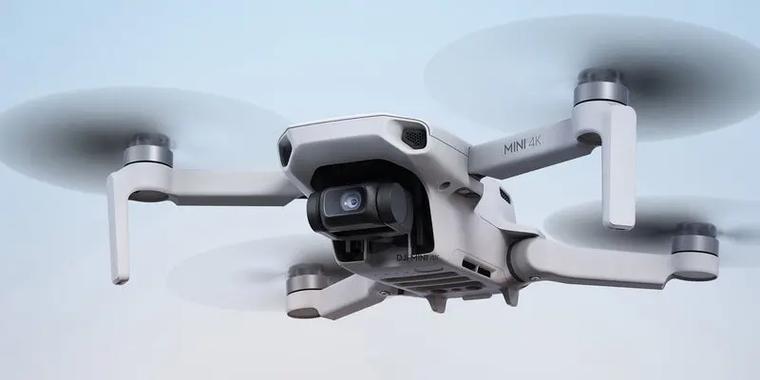
Yes, drones equipped with lights or thermal imaging cameras can operate at night. However, additional regulations might apply, depending on the location and intended use. It’s crucial to check local guidelines for night operations.
What are the privacy concerns with drone videos?
Privacy concerns arise when drones capture footage in residential or crowded areas without consent. Operators should ensure they respect privacy laws and obtain necessary permissions when recording in sensitive areas. Being transparent about drone usage can help alleviate privacy concerns.