
The Evolution of UAVs and Drones
 From military applications to commercial and hobbyist use, UAVs have come a long way. Historically, drones were primarily used for surveillance and reconnaissance. However, advancements in technology have broadened their applications. Today, drones are utilized in fields like agriculture, photography, filmmaking, and even package delivery. This expansion in use is a testament to the adaptability and versatility of UAV technology.
Key Technological Developments
The advancement in drone technology is driven by several key innovations. One notable area is the improvement in battery life, which allows drones to operate for longer periods. Enhanced battery technology has made it possible for drones to cover larger areas without frequent recharging. Another critical development is the integration of AI and machine learning algorithms, allowing drones to perform tasks autonomously, such as obstacle avoidance and route optimization.
AI and Autonomous Navigation
Artificial Intelligence is playing a pivotal role in UAV advancements. By integrating AI, drones can make real-time decisions, improving efficiency and reducing human intervention. For instance, in agriculture, drones equipped with AI can monitor crop health, detect diseases, and provide valuable data analytics. Autonomous navigation systems enable drones to adapt to dynamic environments, making them invaluable in emergency responses and search operations.
Applications Across Different Sectors
UAV technology is influencing various sectors beyond what was initially imagined. In the field of construction and infrastructure, drones are being used for surveying land and inspecting structures. This application not only reduces costs but also enhances safety, as it minimizes the need for human workers in hazardous situations. In environmental monitoring, drones provide accurate data collections for ecosystems, helping to track wildlife and assess conservation efforts.
Challenges and Future Prospects
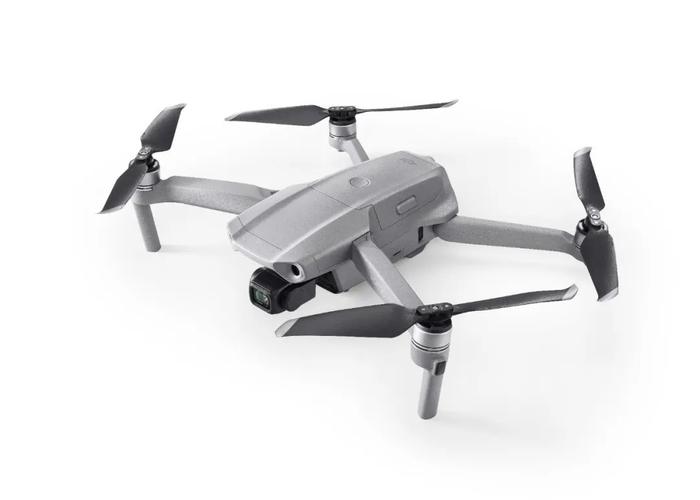 Despite the many benefits, UAV technology has its own set of challenges. Regulatory issues regarding airspace and privacy need to be addressed. The potential risks associated with cybersecurity threats are another pressing concern, highlighting the need for robust security systems. However, the future of drones looks promising, with further advancements expected in terms of payload capacity, speed, and cross-industry collaborations to unlock new potentials.
The impact of UAVs and drones is undeniably profound, reshaping how industries operate and offering solutions to previously insurmountable problems. As technology continues to evolve, it’s clear that drones will be at the forefront of innovation. The fusion of UAV technology with emerging fields promises to expand its capabilities even further.
FAQs:
What are the main uses of drones today?
Drones are widely used for aerial photography, agriculture, delivery services, environmental monitoring, and infrastructure inspection. They provide advanced solutions in these areas, enhancing efficiency and safety.
How do drones contribute to agriculture?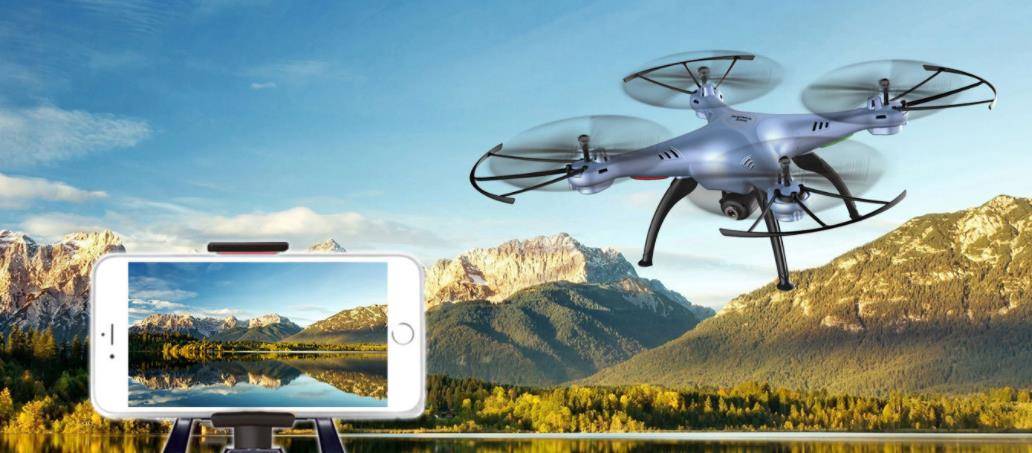
In agriculture, drones assist in monitoring crop health, soil condition, and plant growth using sensors and imaging technology. They help in precision farming, where data-driven decisions can increase yield and reduce waste.
What are the limitations of UAV technology?
One of the main limitations includes regulatory restrictions on airspace usage and potential privacy issues. Additionally, cybersecurity risks pose a challenge to drone operations, as well as the need for continuous advancements in battery life and payload capacity.