The Understanding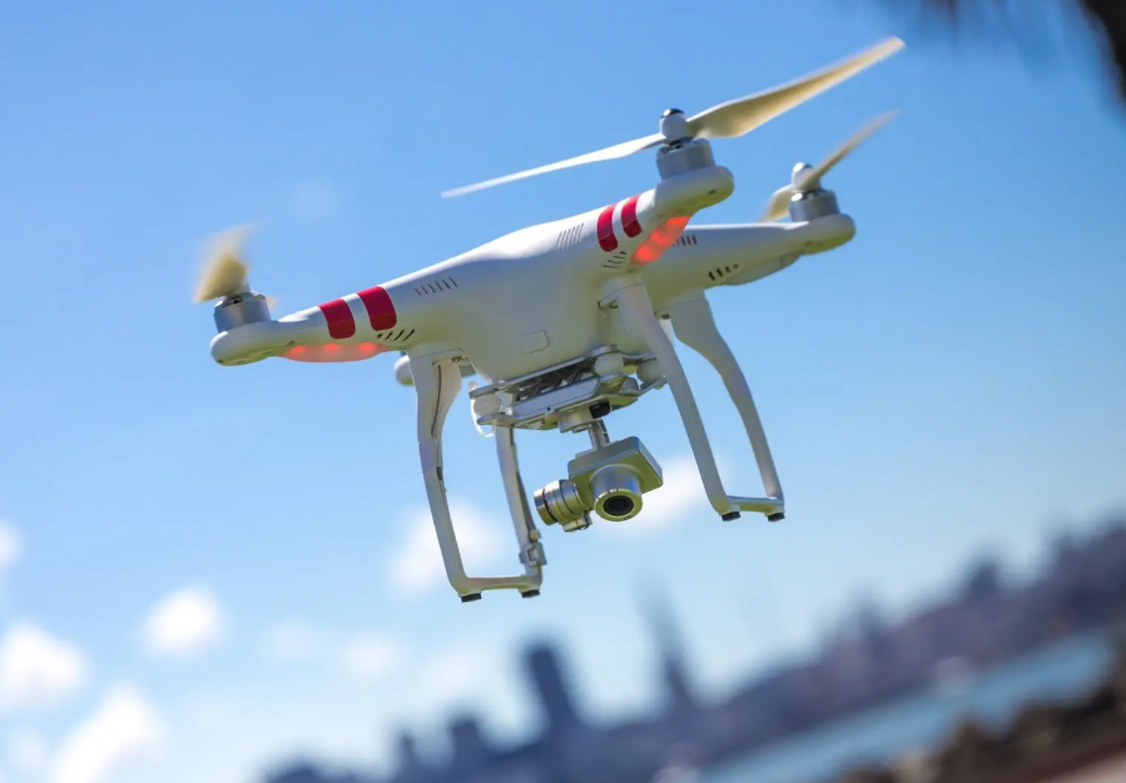 of UAV Drone Technology takes us into the world of unmanned aerial vehicles, known as UAVs or drones. A UAV drone is an aircraft that operates without a human pilot on board, using onboard sensors, GPS, and various components to maintain flight. The uav drone meaning becomes more profound as we delve into implications across sectors, enhancing our comprehension of its versatile applications.
Key Features of UAV Drones
One defining aspect of a UAV is its autonomy. Advanced drones can execute complex tasks following pre-programmed instructions or real-time remote commands. They boast GPS integration for precise navigation, ensuring they follow set paths and return to their point of origin safely. Furthermore, innovations in battery technology extend flight time, pushing the boundaries of what UAVs can achieve.
Applications of UAV Drone Technology
UAVs have transformed various industries. In agriculture, they offer precision farming capabilities, helping farmers monitor crop health, estimate yields, and manage farms more efficiently. They capture aerial images, which are crucial for making informed decisions regarding irrigation and fertilization.
In the field of surveillance and security, UAVs provide extensive coverage with minimal human intervention, crucial for border patrol and search and rescue operations. Moreover, they enable actors in the film industry to shoot breathtaking aerial footage easily.
Commercial and Recreational Use
The commercial sector continues to embrace UAV technology for purposes like package delivery. Companies worldwide test drone deliveries to reduce logistics costs and improve delivery times in urban areas. Simultaneously, the recreational use of drones has surged, capturing the imaginations of hobbyists and budding photographers eager to explore creative opportunities from new perspectives.
Regulatory Challenges and Solutions
As the prevalence of drones increases, regulatory frameworks become crucial. Governments develop comprehensive guidelines ensuring safety and privacy. Registration requirements, flight restrictions, and no-fly zones are established to protect public safety and facilitate smooth integration of drones into airspace. Adherence to regulations remains pivotal in preventing misuse and potential hazards attributed to UAV operations.
Future Perspectives
Excitement surrounds the future of UAV technology as innovators seek to integrate AI, enhance autonomy, and expand capabilities. Conceptual projects, like urban air mobility and disaster response drones, highlight the transformative potential awaiting realization. Enthusiasts and developers eagerly anticipate these advancements, which promise to redefine myriad facets of modern living.
FAQs: UAV Drone Meaning
What does UAV stand for?
UAV stands for Unmanned Aerial Vehicle, reflecting its operation without onboard pilots.
How do drones navigate?
Most drones utilize GPS and onboard sensors for precision navigation, allowing them to maintain designated paths autonomously.
Are drones only used for surveillance?
No, beyond surveillance, drones also find applications in agriculture, filmmaking, commercial delivery, and even recreational activities.
In conclusion, the uav drone meaning extends beyond merely identifying a type of aircraft. Its significance spans various fields, embodying technological progress and societal advances. The continued evolution and responsible integration of UAVs promise to inspire innovation across the globe.